















Last updated on April 24, 2026.
The EU Pay Transparency Directive, which was approved in June 2023, was developed to close the 12.7% gender pay gap across the European Union. The Directive establishes a clear framework for EU member states to apply the principle of equal pay for equal work or work of equal value.
EU member states have until June 7, 2026 to transpose the Directive’s requirements into law. In response, Trusaic will be monitoring the status of each country’s transposition efforts and updating when there’s actionable development for which we can provide guidance for affected employers.
Applicable employers — those with 150 or more employees (this can vary by jurisdiction specifics) — must submit gender pay gap reports by June 7, 2027. Applicability is likely to vary by member state, as the requirements put forth by the Directive are minimum thresholds. Thus, countries can elect to expand the scope of employer size that must adhere to the reporting requirements.
For further details on the in-depth requirements outlined by the EU Directive, access our comprehensive guide.
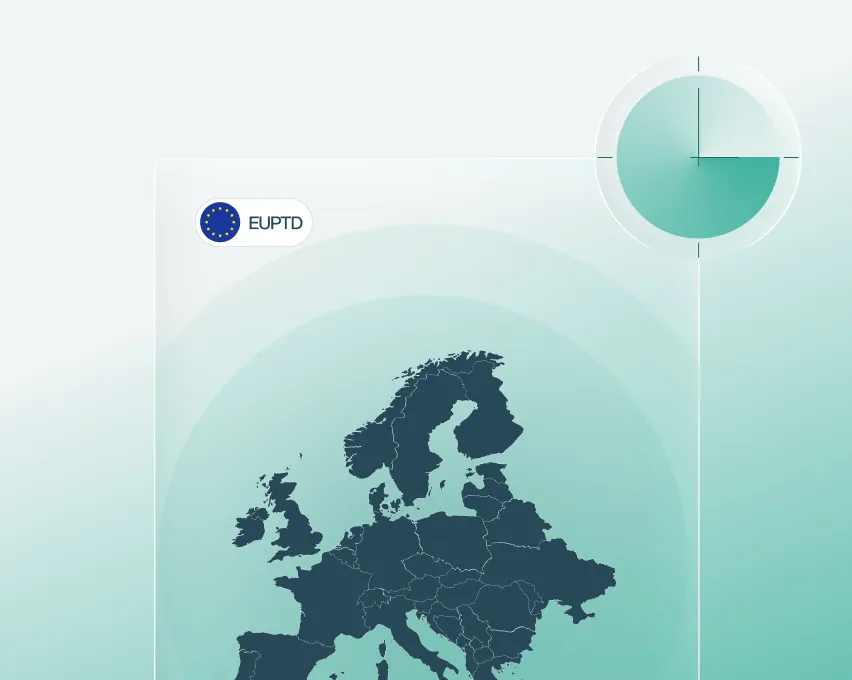
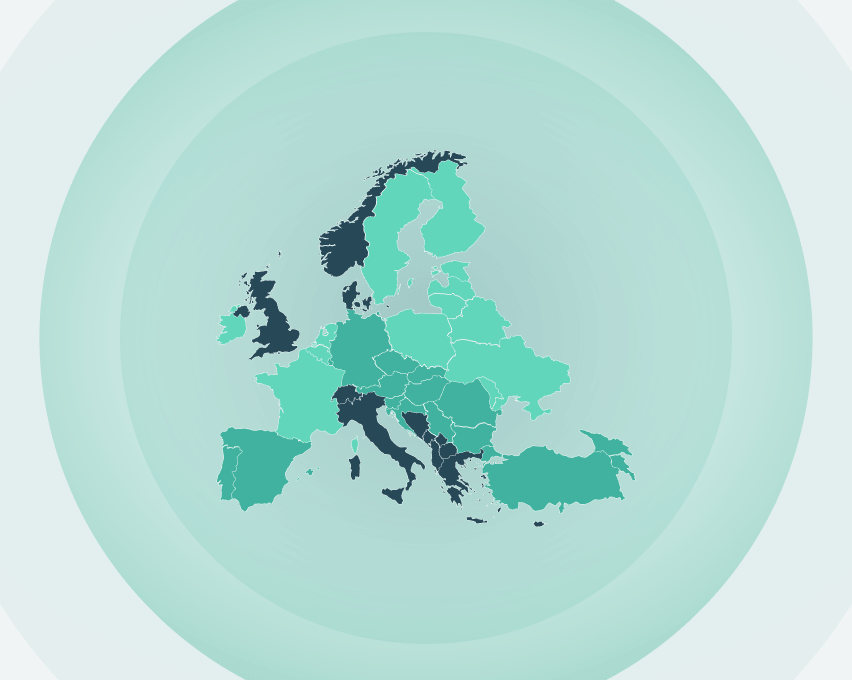
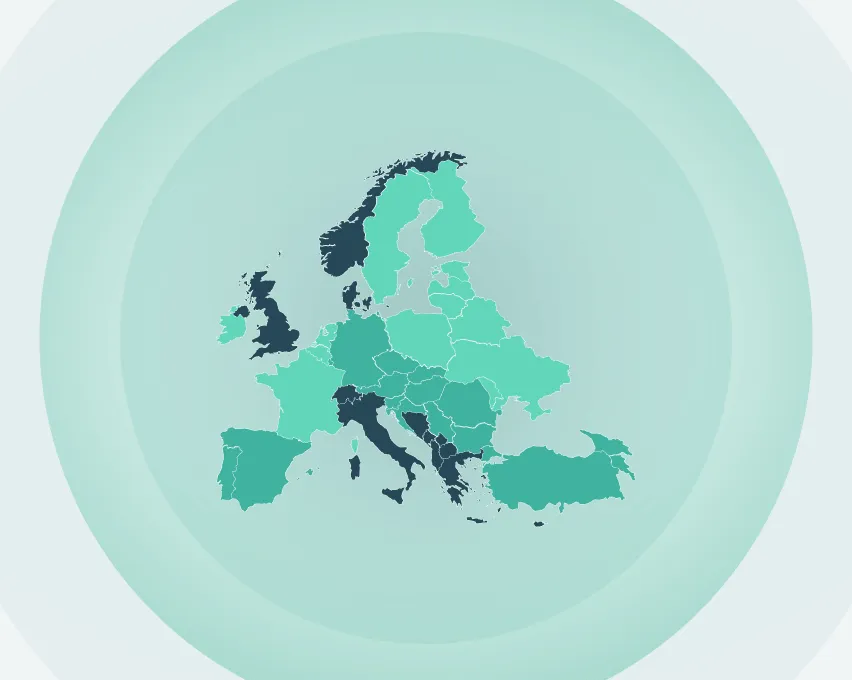
Transposition Monitor by Member State
Explore in-depth requirements outlined by the EU Directive
Transposition Stage
-
Full transposition
-
Draft published
-
Official Initial steps announced
-
No activity on official government sites announced
| Member State | Status | Draft Legislation | Final Legislation | Effective Date | Guide | Blog |
|---|---|---|---|---|---|---|
| Austria | Austrian officials have indicated draft legislation is underway. A release was originally expected by the end of 2025, but it has been delayed. We will update once the draft is released. |
Pending | No | TBD | Guide | Blog |
| Belgium | In the Committee on Social Affairs, Employment, and Pensions, in the week of April 13, Minister Clarinval confirmed Belgium’s intention to fully transpose the EUPTD into Belgian law by June 7, 2026. A draft has not yet been submitted but is in the works. We will update when it becomes available. Belgium Flemish Region: In the Committee on Social Affairs, Employment, and Pensions, in the week of April 13, Minister Clarinval confirmed Belgium’s intention to fully transpose the EUPTD into Belgian law by June 7, 2026. A draft has not yet been submitted but is in the works. We will update when it becomes available. Belgium (French Community): Right to Information and General Pay Transparency requirements transposed for the public sector in the French Community.
|
Pending | No | TBD | Guide | Blog |
| Bulgaria | Announcement Pending |
No | No | TBD | Guide | |
| Croatia | Announcement Pending |
No | No | TBD | Guide | |
| Cyprus | The Labor Relations Department in November 2025 released “The Strengthening of the Implementation of the Principle of Equal Remuneration between Men and Women for Equal Work or Work of Equal Value, through Wage Transparency and Enforcement Mechanisms Law of 2026.” Comments on the draft bill were available until Dec. 4, 2025. It targets a full transposition by the June 7, 2026 deadline. |
Yes | Pending | TBD | Guide | Blog |
| Czech Republic | On March 16, 2026 the Ministry of Labour and Social Affairs introduced Czechia’s draft law to transpose the Directive. The draft targets a Jan. 1, 2027 implementation date with first pay gap reporting beginning in 2028. A partial transposition covering a ban on salary history inquiries has already been implemented. |
Yes | Pending | January 2027 | Guide | Blog |
| Denmark | On Feb. 26, 2026 Denmark released its draft legislation to transpose the EU Pay Transparency Directive. It plans to implement it into law Jan. 1, 2027 — six months past the June 2026 deadline. |
Yes | Pending | January 2027 | Guide | Blog |
| Estonia | On April 16, 2026, Estonia announced it would seek a potentially multi-year postponement and amendment of the EUPTD. Estonia’s Minister of Economic Affairs and Industry has stated that Estonia would rather pay a fine to postpone the EUPTD transposition in Estonia rather than increase the burden on businesses. Shortly after that announcement, the government decided in a cabinet meeting on a partial reversal of course, moving forward with a plan to strengthen legal clarity around the existing right to equal pay for equal work and incorporating certain EUPTD pre-employment pay transparency rights into Estonian law, such as the ban on asking an applicant for their salary history and the right to receive initial pay information before an interview. The draft of this law is to be submitted to the cabinet in April. |
No | No | TBD | Guide | |
| Finland | The Finnish government had originally targeted at May 18, 2026 implementation. However, that deadline will now be missed, and Finland will miss the June 7, 2026 deadline. The estimated week for the government proposal to be presented has been updated from Week 16 of 2026 (April 13- April 19) to Week 25 (June 15 – June 21). The government’s “Situation description” noted: “The implementation of the Pay Transparency Directive is delayed and the entry into force of the national legislation depends on the parliamentary processing schedule.” On May 16, 2025, Finland published its draft legislation to implement the EU Pay Transparency Directive. Access the draft bill for more details. |
Yes | Pending | TBD | Guide | Blog |
| France | France’s Ministry of Labor on March 6, 2026 sent a first draft of its bill to labor unions and lawmakers. The bill is subject to one final consultation meeting with employers’ organizations and employee representatives on March 19. An official draft has not been publicly released. We will have more details when it becomes available. |
Yes | Pending | TBD | Guide | Blog |
| Germany | Germany’s Commission on “Low-Bureaucracy Implementation of the Pay Transparency Directive” released its report recommending how to transpose the EU Pay Transparency Directive Oct. 29, 2025. An official draft based on the 11-person Commission’s recommendation is now underway and is scheduled for cabinet approval by the end of February 2026. |
Pending | No | TBD | Guide | Blog |
| Greece | Under the 2025 Unified Government Policy Plan, it was announced that in Q1–Q2 2025, a working group would be formed (academics, experts, ministry staff) and in Q3–Q4 2025, a draft bill would be created. As of January 2026, no draft bill has been publicly released. |
Pending | No | TBD | Guide | Blog |
| Hungary | Announcement Pending |
No | No | TBD | Guide | |
| Ireland | February 2026 update: Ireland’s employer lobbying group, IBEC, has formally called for a one-year delay in the government’s obligation to implement the Directive by June 2026. We will monitor and update as the situation evolves. Ireland published its draft bill implementing the pay transparency provisions of the EU Pay Transparency Directive on Jan. 15, 2025. Access the draft bill and our webinar for more details |
Yes | Pending | TBD | Guide | Blog |
| Italy | On Feb. 5, 2026, Italy’s Council of Ministers approved a draft legislative decree in preliminary examination. The draft was transmitted Parliament with a March 18, 2026 deadline to provide an opinion, after which it will return to the Council of Ministers for final adoption. |
Yes | Pending | TBD | Guide | Blog |
| Latvia | Latvia on published its draft legislation to transpose the EU Pay Transparency Directive. The consultation period will close April 9 before moving to the Cabinet of Ministers and then to the Saeima for parliamentary consideration. |
Yes | Pending | TBD | Guide | Blog |
| Lithuania | On March 18, 2026, SADM announced that the Government had approved the transposition proposals. The draft still needs to be approved by the Lithuanian Parliament. The State Labour Inspectorate, with the SADM, has also approved recommendations on the development of pay systems to help employers assess their current situation in practical terms and plan necessary actions. It is expected to be implemented by June 7, 2026. |
Yes | Pending | June 2026 | Guide | Blog |
| Luxembourg | Announcement Pending |
No | No | TBD | Guide | Blog |
| Malta | Malta published Legal Notice 112 of 2025 on June 27, 2025, which introduces amendments that align with the pay transparency elements of the EU Pay Transparency Directive. The pay transparency elements and Right to Information requirement took effect Aug. 27, 2025. |
Yes | Yes | August 2025 | Guide | Blog |
| Netherlands | On Jan. 19, 2026, the proposal for the Dutch Pay Transparency Act was sent for review to the “Raad van State” to ratify and transpose the Directive’s requirements into law via amendments. The initial draft bill from March 27, 2025 has been revised. On Sept. 15, 2025, the Dutch government announced plans to delay implementation of the Directive for employers with 150 or more employees to Jan. 1, 2027. We will monitor whether this will receive pushback from the European Parliament or Commission. |
Yes | Pending | January 2027 | Guide | Blog |
| Poland | On Dec. 16, 2025, Poland released its draft legislation with plans to transpose the remaining components of the legislation — namely Article 6 and 7 and the pay reporting components. On June 4, 2025, Poland’s Parliament passed its reworked Act amending the Labour Code, which is focused on the pay transparency provisions of the EU Pay Transparency Directive. See the official timeline and draft of the legislation, and access our webinar for more details. |
Yes | Pending | TBD | Guide | Blog |
| Portugal | No official announcement has been provided from Portugal Labour officials. Stay tuned for more details. |
No | No | TBD | Guide | Blog |
| Romania | Romania’s Ministry of Labour, Family, Youth and Social Solidarity on March 30, 2026 published its draft legislation to transpose the EU Pay Transparency Directive. Proposals, suggestions, and opinions are being sought through April 8, 2026. |
Yes | Pending | TBD | Guide | Blog |
| Slovakia | On April 15, 2026, the deputies of the National Council of the Slovak Republic approved the draft legislation transposing the Directive. The legislative history can be found here. The effective date remains June 7, 2026. Next legislative steps: Once formally signed by the Speaker of the Parliament and the Prime Minister, it will move to the President of the Slovak Republic for signature. The President has 15 days from receiving the law to take action (i.e. sign or veto). Once signed by the President, the law will only be legally binding once it is promulgated by publishing it in the Collection of Laws of the Slovak Republic (Zbierka zákonov SR). It will then enter into force on the date set in the law (June 7, 2026). |
Yes | Pending | June 2026 | Guide | Blog |
| Slovenia | The Ministry of Labour, Family, Social Affairs and Equal Opportunities has initiated a working group to develop the draft legislation to implement the Directive. No timetable has been publicized on its release. |
Pending | No | TBD | Guide | |
| Spain | No official announcement has been provided from Spain Labour officials. Stay tuned for more details. |
No | No | TBD | Guide | Blog |
| Sweden | On March 26, 2026, Sweden announced it’s putting its transposition efforts on hold and will be seeking a postponement and renegotiation of the Directive. On March 11, 2026, Sweden announced it is further delaying its transposition to Jan. 1, 2027. The first reporting deadline is being moved to May 20, 2028. We will have more analysis in a forthcoming blog. Access our analysis about what will be required in our prior blog. |
Yes | Pending | TBD | Guide | Blog |
European Free Trade Agreement Members
| Member State | Status | Draft Legislation | Final Legislation | Effective Date | Guide | Blog |
|---|---|---|---|---|---|---|
| Norway | On Nov. 20, 2025, Norway’s Ministry of Culture and Equality announced that it has begun work to implement the Directive into Norwegian law. Although Norway is not an EU Member State, the Directive has been deemed European Economic Area (EEA)-relevant, and work is underway across the EFTA to adopt it into the EEA Agreement. |
Pending | No | TBD | Guide | Blog |
| Iceland | Per Norway’s announcement, as part of the EEA Agreement, Iceland is preparing to apply the Directive’s full set of transparency, reporting, and enforcement requirements. We will update when there is an official release from Iceland. |
Pending | No | TBD | Guide | |
| Liechtenstein | Per Norway’s announcement, as part of the EEA Agreement, Liechtenstein is preparing to apply the Directive’s full set of transparency, reporting, and enforcement requirements. We will update when there is an official release from Liechtenstein. |
Pending | No | TBD | Guide | |
| Switzerland | While Switzerland is part of the EFTA, it is not an EEA member and is thus not bound by the EEA Agreement. Subsequently, if the Directive is adopted into the EEA Agreement, Switzerland’s pay transparency laws will not be affected. Currently, there are no indications that Switzerland will take part in transposing the Directive. |
No | No | N/A | Guide |
At Trusaic, we provide employers across the EU with solutions to comply confidently with the Directive.
Our Complete EU Pay Transparency Solution enables compliant pay systems, ensures gender-neutral job evaluations, and automates complex reporting obligations to keep you one step ahead of EU pay transparency enforcement.
- PayParity® analyzes your rewards data (compensation/benefits in kind) and quickly identifies any potential unjustified inequities. It enables you to more easily comply with Article 7 (right to information) and Article 6 requirements (pay setting and progression policy).
- Our Remediation Optimization Spend Analysis (R.O.S.A.) works as PayParity’s remediation engine to find the most cost-effective way to close nominal pay gaps to ensure compliance.
- Automated RTI workflows: Our bi-directional integrations with global HCM platforms allow pay equity data to flow securely from the Trusaic platform back into the HCM. Employees can then access their RTI reports directly within their existing HR systems. This eliminates manual report generation and reduces compliance risk.
- For organizations that prefer platform-based access, RTI reports can also be generated and delivered securely through the PayParity platform, with role-based permissions and full auditability.
- Salary Range Finder® ensures equitable pay at the point of hire to prevent any increases in pay gap and enables you to easily comply with the Directive’s salary range disclosure and salary history ban requirements.
- Pay Decisions: Generate fair, competitive offers instantly from Workday.
- Regulatory and Pay Transparency Reporting™ captures your pay equity findings and generates compliant reports.
Trusaic is GDPR compliant and can assist any organization in any EU state in meeting its obligations under both the EU Corporate Sustainability Reporting Directive and the EU Pay Transparency Directive.