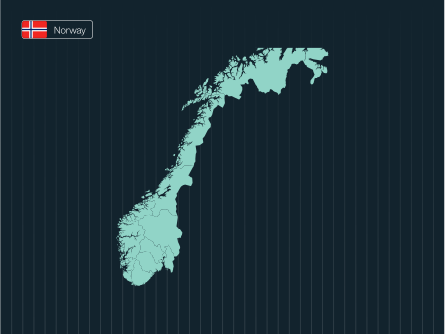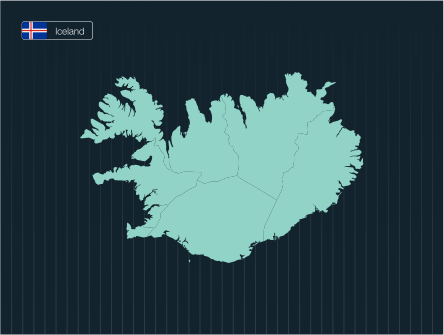






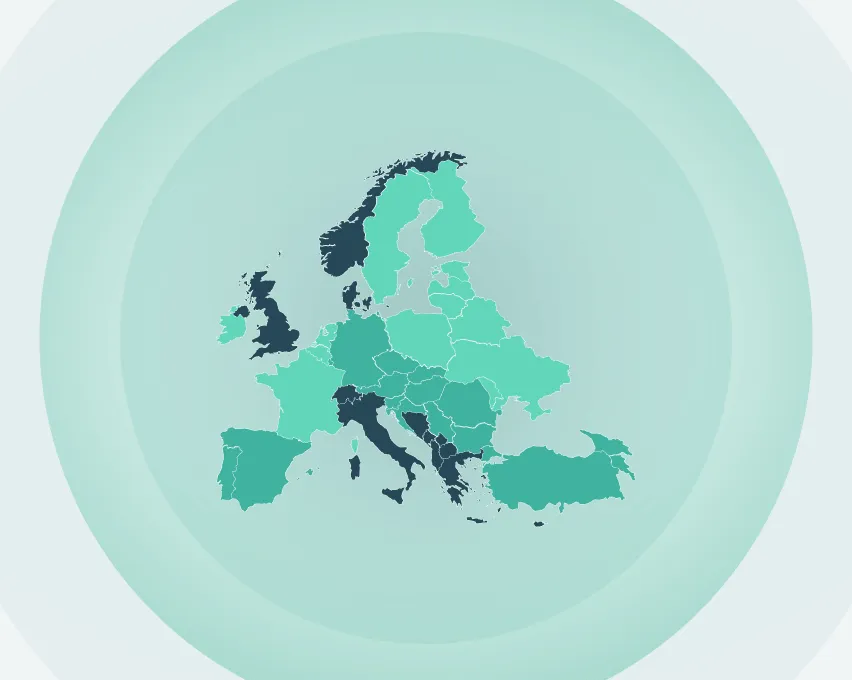







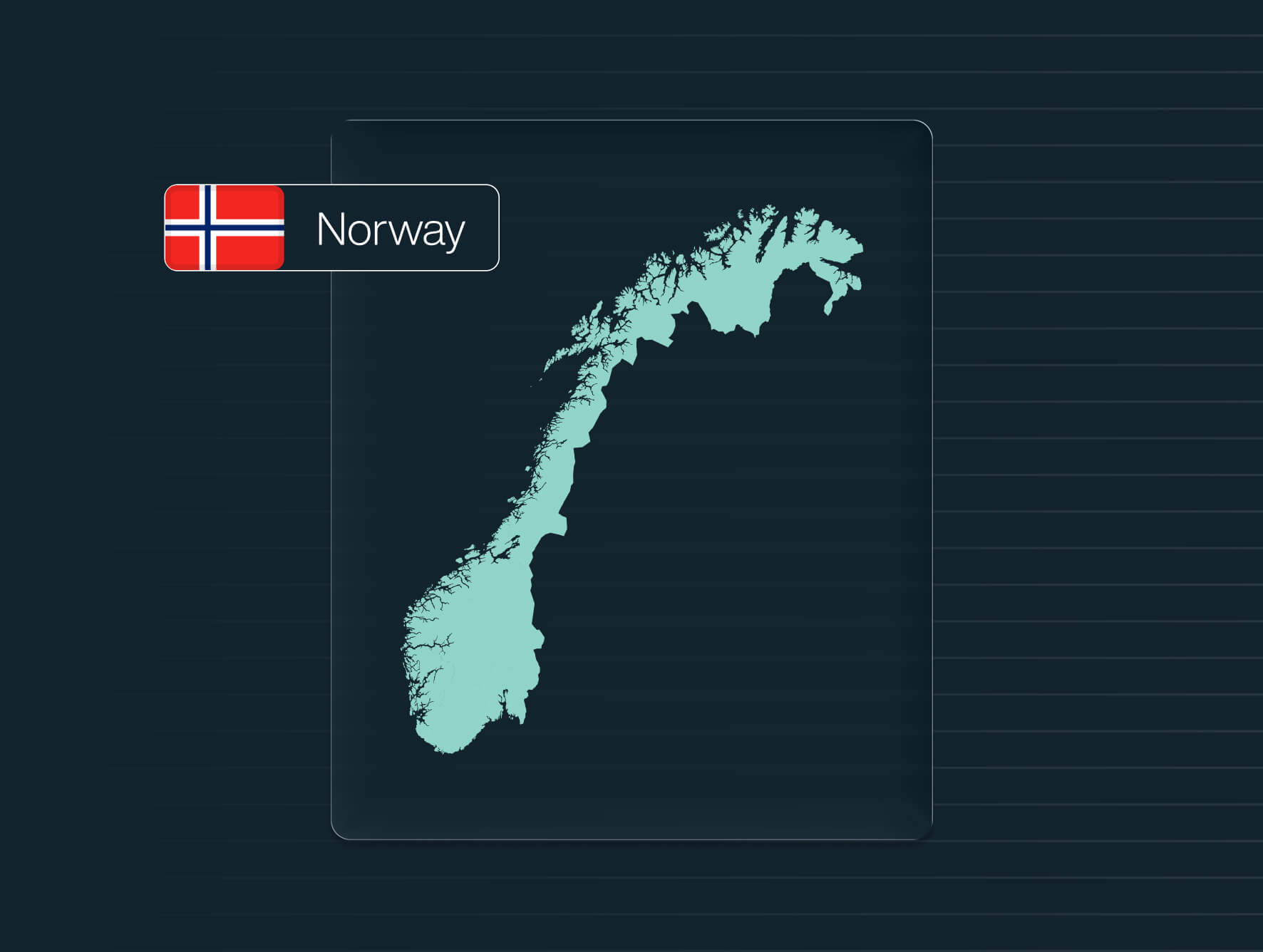
On Nov, 20, 2025, Norway’s Ministry of Culture and Equality officially announced that it has begun work to implement the EU Pay Transparency Directive (EUPTD) into Norwegian law.
Although Norway is not an EU Member State, the Directive has been deemed European Economic Area (EEA)-relevant, and work is underway across the European Free Trade Association (EFTA) system to adopt it into the EEA Agreement.
This development signals that Norway, Iceland, and Liechtenstein — three EEA European Free Trade Association (EFTA) states — are preparing to apply the Directive’s full set of transparency, reporting, and enforcement requirements. While Switzerland is part of the EFTA, it is not an EEA member and is thus not bound by the EEA Agreement. Subsequently, if the Directive is adopted into the EEA Agreement, Switzerland’s pay transparency laws will not be affected. Currently, there are no indications that Switzerland will take part in transposing the Directive.
Below is what employers need to know.
Why Norway Is Moving Toward EUPTD Alignment
The EUPTD (Directive (EU) 2023/970) aims to strengthen the principle of equal pay for equal work or work of equal value by requiring:
- Greater transparency in pay-setting
- Publicly available information that allows workers to understand and challenge pay disparities
- Stronger enforcement mechanisms
Norway’s Government emphasizes that lack of pay transparency remains a major barrier to enforcing equal pay. Aligning with the Directive helps close these gaps and ensures that the Nordic labor model remains consistent with the broader European framework.
Norway’s EEA Position: Directive Not Yet Incorporated, But Expected
While the Directive has been marked as “EEA relevant”, it has not yet been incorporated into the EEA Agreement.
Norway’s Position Note confirms:
- Several EFTA committees are engaged in the review process.
- The Directive is expected to be added to the EEA Agreement.
- Once incorporated, Norway must then transpose the Directive into national law.
- No implementation deadline exists yet, as the Directive is not formally part of EEA law.
Importantly, the timeline for EU Member States — June 7, 2026 — does not apply to Norway unless and until the Directive is formally added to the EEA Agreement.
How Norway Will Implement the Directive
The Ministry of Culture and Equality has outlined the legislative pathway for implementing the EUPTD:
- Assessment Phase: The Ministry evaluates whether new legislation is needed or whether the Directive can be incorporated through amendments to existing laws.
- Consultation Paper: A proposal is drafted and circulated for public comment, involving employers, unions, and civil society.
- Legislative Proposal: A final recommendation is submitted to the Storting (Parliament).
This is consistent with Norway’s standard legislative process and mirrors how the country has previously integrated EU labor directives into domestic law.
Existing Pay Transparency & Salary Mapping Requirements in Norway
While Norway prepares for the EUPTD, employers are already subject to significant pay transparency obligations under the Equality and Discrimination Act:
- Public sector employers (all sizes) and private employers with 50+ employees must conduct:
- A survey of pay conditions by gender
- A review of involuntary part-time work
- Pay mapping every two years
- Private employers with 20–50 employees must also conduct salary mapping when requested by employee representatives.
These requirements mean that Norwegian employers already have a foundation for compliance—but the EUPTD will introduce a much broader and more rigorous framework, especially around:
- Gender pay gap reporting
- Pay range transparency
- Article 7 right to information
- Joint pay assessments
- Equal pay enforcement mechanisms
- Salary history bans
- Gender-neutral pay structures
What Employers Should Expect Next
While the Directive has not yet been incorporated into the EEA Agreement, several developments signal that Norway is preparing for full adoption:
- Norwegian authorities are coordinating with Iceland and Liechtenstein through the EFTA system. There have been no such announcements from either Iceland or Liechtenstein , but it is likely that both jurisdictions will also implement the EUPTD.
- Switzerland, notably, was not referenced in the position letter, which indicates they are unlikely to modify their regulations to align with the Directive’s requirements.
- Norway recognizes the Directive’s consistency with existing Norwegian equality principles.
- The Position Note acknowledges that the subject matter fits squarely within the EEA Agreement’s scope.
Once adopted, Norway will likely follow timelines similar to EU Member States—but potentially on a delayed track depending on the formal incorporation date.
Employers should begin preparing now by:
- Reviewing current pay structures and job architecture
- Ensuring pay-setting criteria are objective and gender-neutral
- Preparing for Article 7 right-to-information processes
- Evaluating capabilities for gender pay gap reporting
- Identifying systems gaps for total remuneration reporting
- Moving toward fair, transparent, defensible pay ranges
How Trusaic Can Help
At Trusaic, we provide employers in Norway and across the EU/EEA with solutions to comply confidently with the Directive.
Our Pay Equity Software Suite enables compliant pay systems, ensures gender-neutral job evaluations, and automates complex reporting obligations to keep you one step ahead of EU pay transparency enforcement.
- PayParity® analyzes your rewards data (compensation/benefits in kind) and quickly identifies inequities to determine if your adjusted gender pay gap is above 5%. It enables you to easily comply with Article 7 (right to information) and Article 6 requirements (pay setting and progression policy).
- Our Remediation Optimization Spend Agent (R.O.S.A.) works as PayParity’s AI remediation partner to find the most cost-effective way to close nominal pay gaps above 5% to ensure compliance.
- Salary Range Finder ensures equitable pay at the point of hire to prevent your pay gap from rising above 5% and enables you to easily comply with the Directive’s salary range disclosure and salary history ban requirements.
- Pay Decisions: Generate fair, competitive offers instantly from Workday.
- Regulatory Pay Transparency Reporting™ captures your pay equity findings and generates compliant, one-click reports across all EU jurisdictions.
- Our Pay Transparency Agent answers all your pay transparency reporting questions instantly.
- Our Communications Agent crafts perfect contextual narratives in any EU language to support your annual pay reports.
Trusaic is GDPR compliant and can assist any organization in any EU state in meeting its obligations under both the EU Corporate Sustainability Reporting Directive and the EU Pay Transparency Directive.
Visit our always updated Member State Transposition Monitor to stay on top of the latest EU Pay Transparency Directive developments.