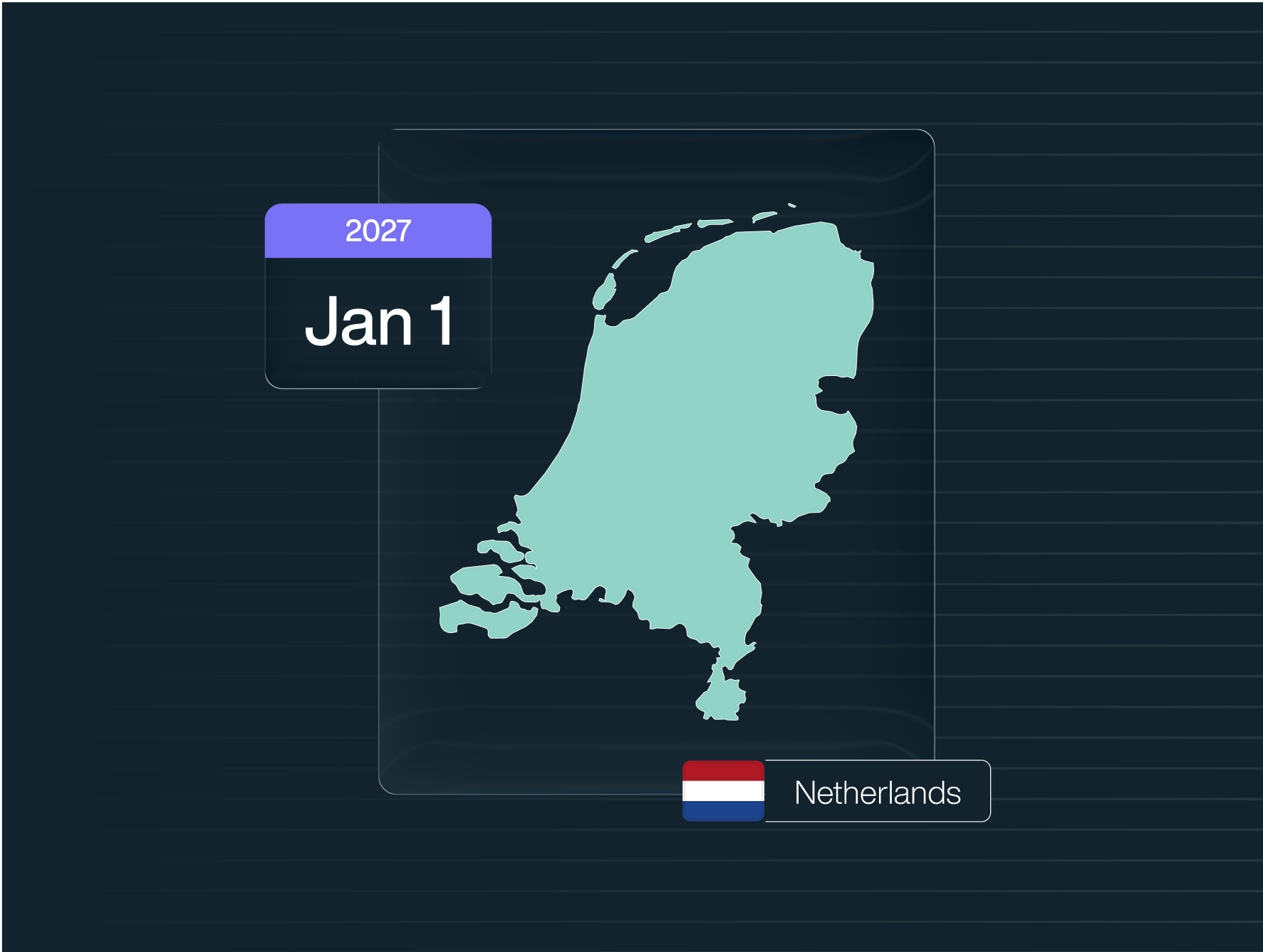














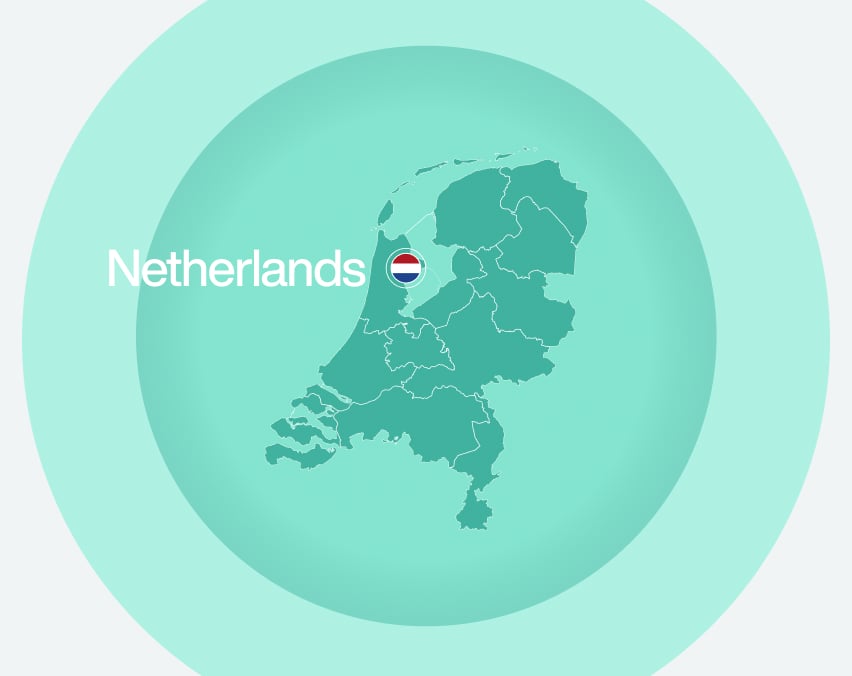
The Netherlands has taken its next step toward transposing the EU Pay Transparency Directive following its announced plan to delay its implementation past the June 2026 deadline.
On Jan. 19, 2026, the Minister of Social Affairs and Employment submitted a draft transposition law and explanatory memorandum to the Council of State, which was subsequently published on Jan. 21, 2026.
The draft legislation proposes amendments to the Equal Treatment of Men and Women Act (Wet Gelijke Behandeling van Mannen en Vrouwen (Wgbmv)), aligning Dutch law with the Directive’s core transparency and reporting requirements.
Key Features of the Draft Legislation
The Netherlands intends to finalize several critical elements through general administrative orders, including:
- Technical specifications for electronic submission of pay reporting
- Designation of the monitoring body
- Clarifications around definitions, including those for “wage” and “pay gap”
No formal entry-into-force date or initial reporting deadlines have yet been set. These will be determined later via administrative order or royal decree.
That said, the explanatory memorandum provides an important signal:
- Employers with 150 or more employees would be required to submit their first report by June 7, 2028, covering calendar year 2027 data.
This timeline conflicts with the Directive’s deadline of June 7, 2027 for employers with 150 or more employees reporting on calendar year 2026 data. The EU Commission has indicated Member States that fail to comply with the Directive’s transposition and reporting deadlines could be subject to infringement proceedings under Article 258 of the Treaty on the Functioning of the European Union.
Expanded Role of Works Councils
The draft introduces notable changes to the Dutch Works Council Act, strengthening employee representation in pay transparency compliance:
- Works councils would gain approval rights over the methods employers use to meet transparency and reporting obligations.
- The prior requirement that works councils confirm the accuracy of reported data has been removed, narrowing their role to consultation with direct oversight of methodology rather than data validation.
Clarifications on Employer Definition
The bill also refines how “employer” is defined for pay transparency purposes:
- It no longer references the definition of “undertaking” under the Works Councils Act.
- Instead, the employer will be determined based on what is customary in practice, meaning the entity that has entered into an employment contract or public-law appointment with the employee.
This clarification is particularly relevant for organizations with complex group structures.
Job Evaluation and Data Protection Updates
Additional technical adjustments include:
- Replacing the term “pay structures” with “a system for job evaluation and classification,” reinforcing the Directive’s emphasis on gender-neutral job architecture.
- Clarifying that the obligation to use personal data solely for equal pay purposes applies to anyone who gains access to that data, not just the employer—tightening data-handling expectations across all involved parties.
What Does This Mean for Employers?
The draft legislation signals meaningful progress, but it also underscores that timing and scope are still in flux. As noted, the Netherlands has said it plans to delay its transposition to Jan. 1, 2027 and is now indicating it will delay the first year of reporting to June 2028.
It remains to be seen whether this will be allowed by the EU Commission. Thus, employers operating in the Netherlands should:
- Begin aligning pay systems with Directive-level transparency requirements
- Prepare for works council engagement on compliance methodologies
- Stay alert for administrative orders or royal decrees that may accelerate effective dates or reporting timelines
Early preparation will be critical to avoiding compressed compliance windows once final implementation details are confirmed.
How Trusaic Can Help
At Trusaic, we provide employers across the EU with solutions to comply confidently with the directive.
Our Complete EU Pay Transparency Solution enables compliant pay systems, ensures gender-neutral job evaluations, and automates complex reporting obligations to keep you one step ahead of EU pay transparency enforcement.
- PayParity® analyzes your rewards data (compensation/benefits in kind) and quickly identifies any unjustified inequities.. It enables you to easily comply with Article 7 (right to information) and Article 6 requirements (pay setting and progression policy).
- Our Remediation Optimization Spend Agent (R.O.S.A.) works as PayParity’s AI remediation partner to find the most cost-effective way to close nominal pay gaps to ensure compliance.
- Salary Range Finder ensures equitable pay at the point of hire to prevent any increases in pay gap and enables you to easily comply with the Directive’s salary range disclosure and salary history ban requirements.
- Pay Decisions: Generate fair, competitive offers instantly from Workday.
- Regulatory Pay Transparency Reporting™ captures your pay equity findings and generates compliant, one-click reports across all EU jurisdictions.
- Our Pay Transparency Agent answers all your pay transparency reporting questions instantly.
- Our Communications Agent crafts perfect contextual narratives in any EU language to support your annual pay reports.
Trusaic is GDPR compliant and can assist any organization in any EU state in meeting its obligations under both the EU Corporate Sustainability Reporting Directive and the EU Pay Transparency Directive.
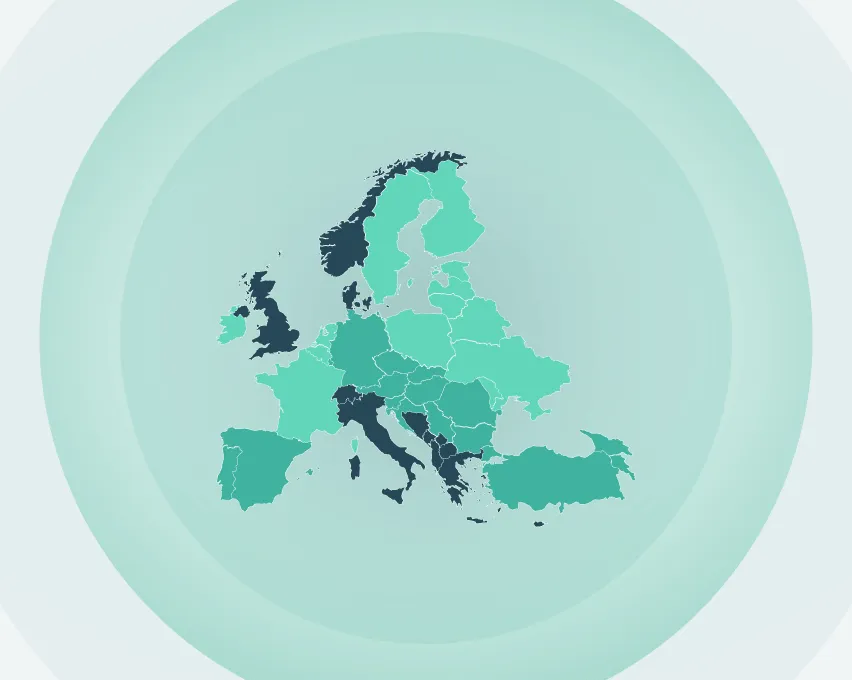
Visit our always updated Member State Transposition Monitor to stay on top of the latest EU Pay Transparency Directive developments.