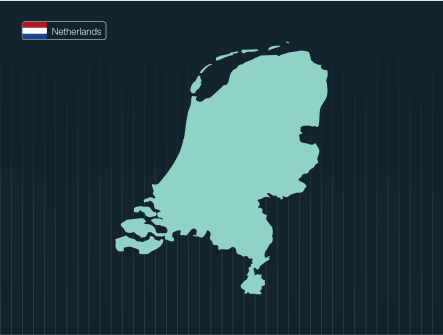














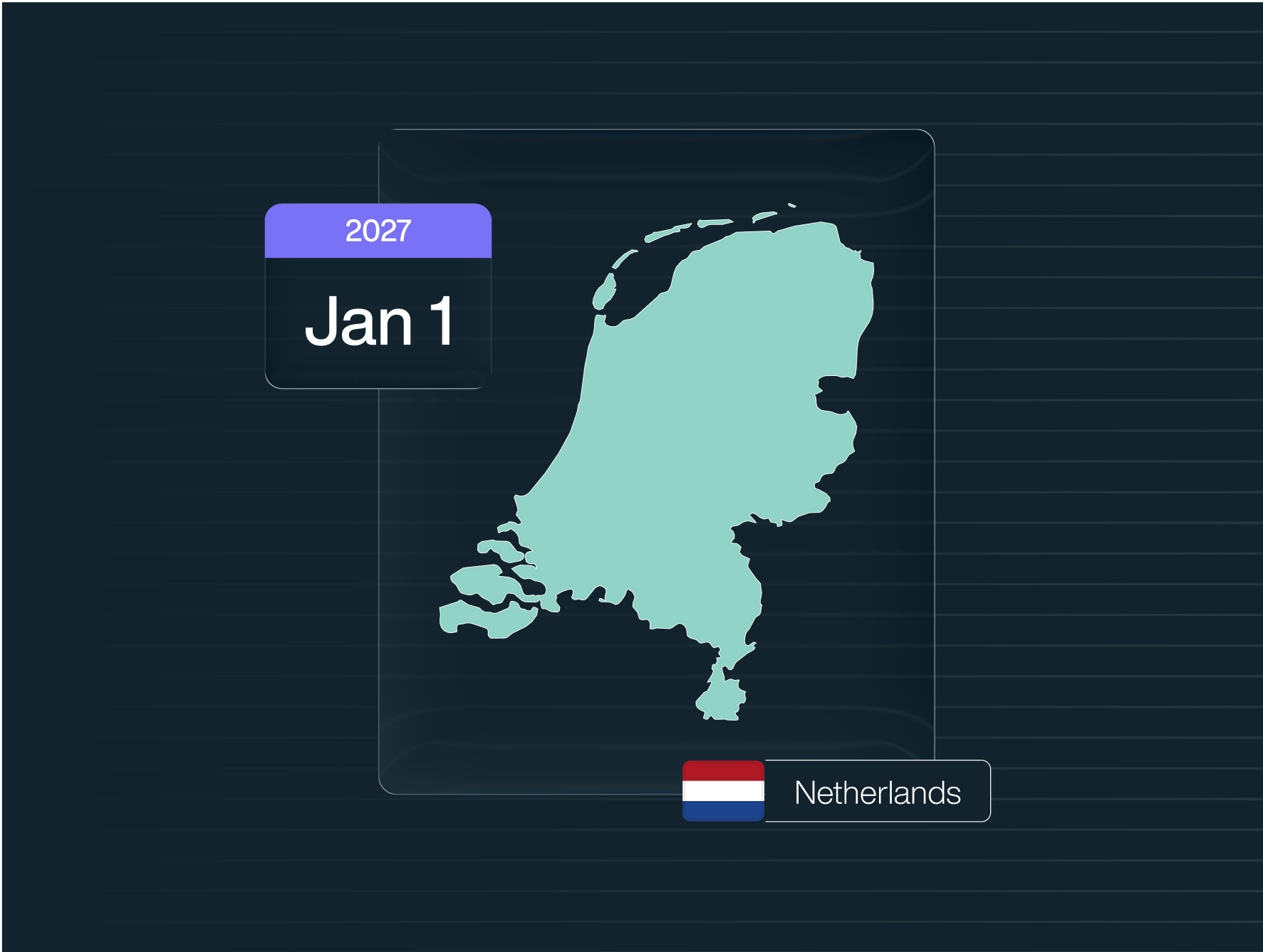
The Netherlands has announced that it will delay implementation of the EU Pay Transparency Directive (EUPTD), which was originally required to be transposed by June 7, 2026.
Instead, the Dutch government now intends to bring the law into effect no later than Jan. 1, 2027. This development makes the Netherlands one of the first EU Member States to publicly indicate that the original EU deadline may be unachievable.
Key Highlights of the Netherlands’ New Implementation Plan
The Dutch government determined that it was infeasible to implement the EUPTD, in part, because of the burden it would create for smaller employers. As a result, it plans to also delay the reporting requirement for employers with 150 or more employees:
- Employers with 150 or more employees will not need to report for the 2026 calendar year.
- Their first required gender pay gap reports will cover the year 2027, to be published in 2028.
Smaller employers will follow the reporting schedule as outlined:
- Employers with 100–149 employees remain on the original EUPTD timeline, with reporting obligations beginning as set out by the Directive.
- This staggered approach acknowledges the heavier administrative burden for larger organizations while maintaining obligations for mid-sized employers.
Draft Legislation Background
The Dutch government proposed amendments near the end of March 2025 to the Equal Treatment of Men and Women Act to incorporate all of the EUPTD’s transparency and reporting requirements.
The Netherlands’ approach adheres to the EUPTD’s core provisions while adding clarifications to wage components and strengthening employer obligations. Notably:
- The reporting deadlines and employer size thresholds remain unchanged from the directive.
- The definitions of wage components provide employers with clearer guidance on what constitutes additional or variable pay.
- The law implements a cost shifting provision wherein employers may still have to pay for legal costs in discrimination suits brought by employees..
- Company management must certify pay gap data.
What’s at Stake?
The EU Commission set the June 7, 2026 deadline to ensure harmonized implementation across Member States.
- If the Netherlands proceeds with its delay, the move may prompt scrutiny from the European Commission or European Parliament, both of which have an interest in consistent, timely compliance.
- Employers operating cross-border (particularly across Germany, Belgium, and other neighbors) could face a patchwork of requirements, complicating compliance strategies.
What Employers Should Do Now
Even with a possible extension:
- Employers should not delay in building compliant pay systems, particularly larger multinationals.
- The Directive’s core obligations — from salary transparency to reporting — will still come into effect, whether in 2026 or 2027.
- Forward-thinking companies can use the extra time to test, refine, and strengthen pay equity processes before enforcement begins.
How Trusaic Can Help
At Trusaic, we provide employers in the Netherlands and across the EU with solutions to comply confidently with the Directive:
Our Pay Equity Software Suite enables compliant pay systems, ensures gender-neutral job evaluations, and automates complex reporting obligations to keep you one step ahead of EU pay transparency enforcement.
- PayParity® analyzes your rewards data (compensation/benefits in kind) and quickly identifies inequities to determine if your adjusted gender pay gap is above 5%. It enables you to easily comply with Article 7 (right to information) and Article 6 requirements (pay setting and progression policy).
- Our Remediation Optimization Spend Agent (R.O.S.A.) works as PayParity’s AI remediation partner to find the most cost-effective way to close nominal pay gaps above 5% to ensure compliance.
- Salary Range Finder ensures equitable pay at the point of hire to prevent your pay gap from rising above 5% and enables you to easily comply with the Directive’s salary range disclosure and salary history ban requirements.
- Regulatory Pay Transparency Reporting™ captures your pay equity findings and generates compliant, one-click reports across all EU jurisdictions.
- Our Pay Transparency Agent answers all your pay transparency reporting questions instantly
- Our Communications Agent crafts perfect contextual narratives in any EU language to support your annual pay reports.
Trusaic is GDPR compliant and can assist any organization in any EU state in meeting its obligations under both the EU Corporate Sustainability Reporting Directive and the EU Pay Transparency Directive.
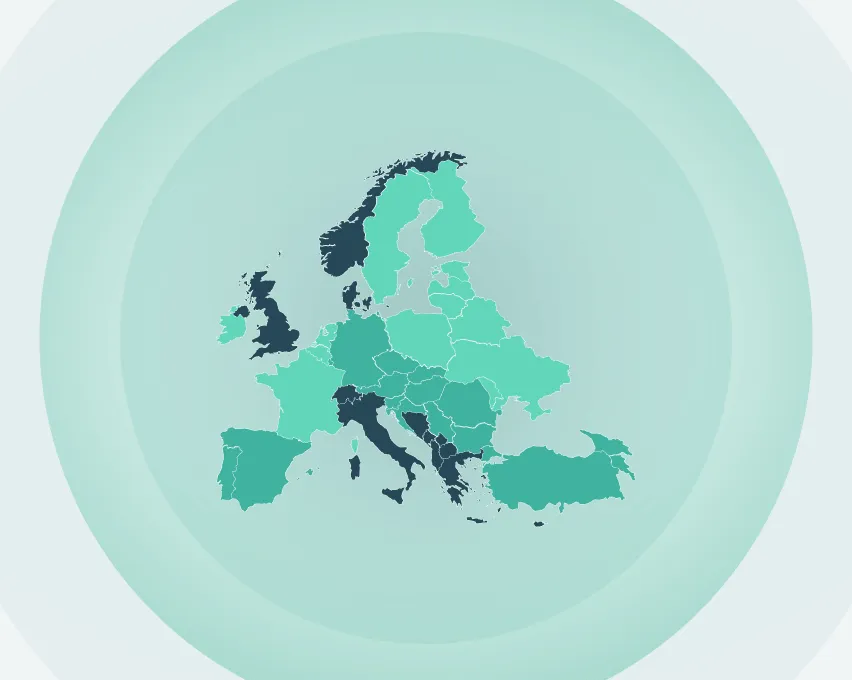
Visit our always updated Member State Transposition Monitor to stay on top of the latest EU Pay Transparency Directive developments.