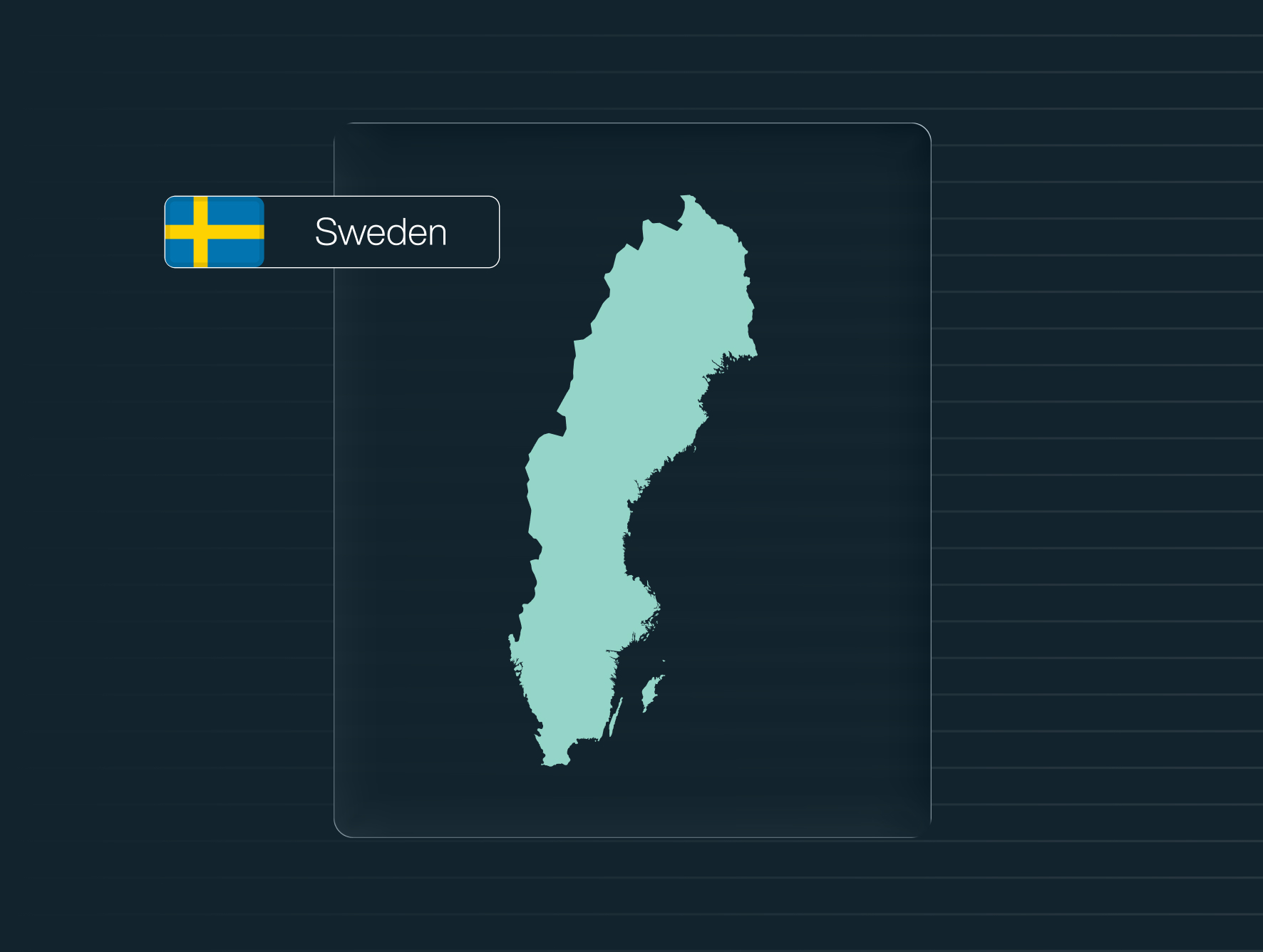














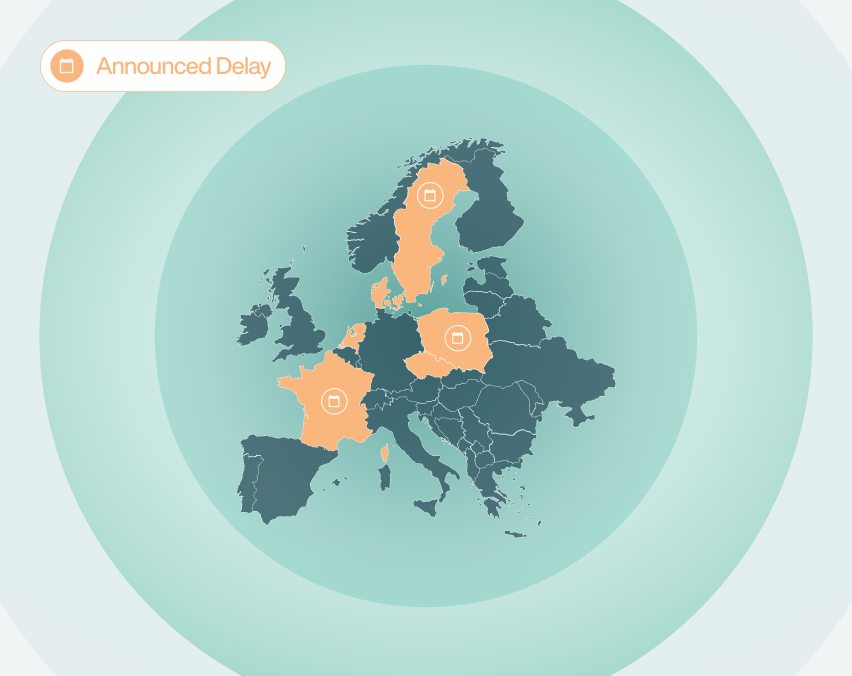
Sweden on March 26 announced a significant shift in its approach to the EU Pay Transparency Directive—putting its transposition efforts on hold and signaling its intent to seek both a postponement and renegotiation of the Directive at the EU level.
This marks the most decisive move by any Member State to date and underscores a growing trend: delays are no longer the exception — they are becoming the norm.
Sweden Inflection Point
At the beginning of the year, Sweden announced it was targeting a July 1, 2026 transposition. Then in early March it changed course and said it would instead target a Jan. 1, 2027 implementation with pay reporting delayed to May 20, 2028.
Now, just weeks later it has paused its legislative process entirely, with no intention of submitting a transposition bill to the Riksdag.
In its official statement, the Swedish government emphasized that while the Directive’s objective is valid, its design presents significant challenges:
- The Directive is viewed as overly administratively burdensome
- It lacks sufficient flexibility for national implementation
- It may undermine existing, well-established pay equity frameworks
As Sweden’s Minister for Equality, Nina Larsson, stated:
“The purpose of the directive is good. Unjustified pay differences must be combated and more tools are needed. At the same time, it has become increasingly clear how great the challenges are in implementing the directive in a national context, both for us in Sweden and in other EU countries. Therefore, a relaunch at EU level is needed and we are now taking the initiative to do so.”
Sweden already has a mature system requiring employers to conduct annual pay equity analyses (wage surveys), and the government has expressed concern that the Directive may duplicate or conflict with these existing obligations rather than enhance them.
This development is particularly noteworthy, as Sweden was the first EU Member State to release draft legislation, doing so back in May 2024. Now, nearly two full years later, it has determined the framework is unfeasible to implement.
This represents a significant inflection point, and how the EU Commission responds will likely determine the fate of the Directive’s implementation across the EU.
A Broader Trend: Delays Across Member States
Sweden’s announcement does not exist in isolation — it reflects mounting pressure across the EU.
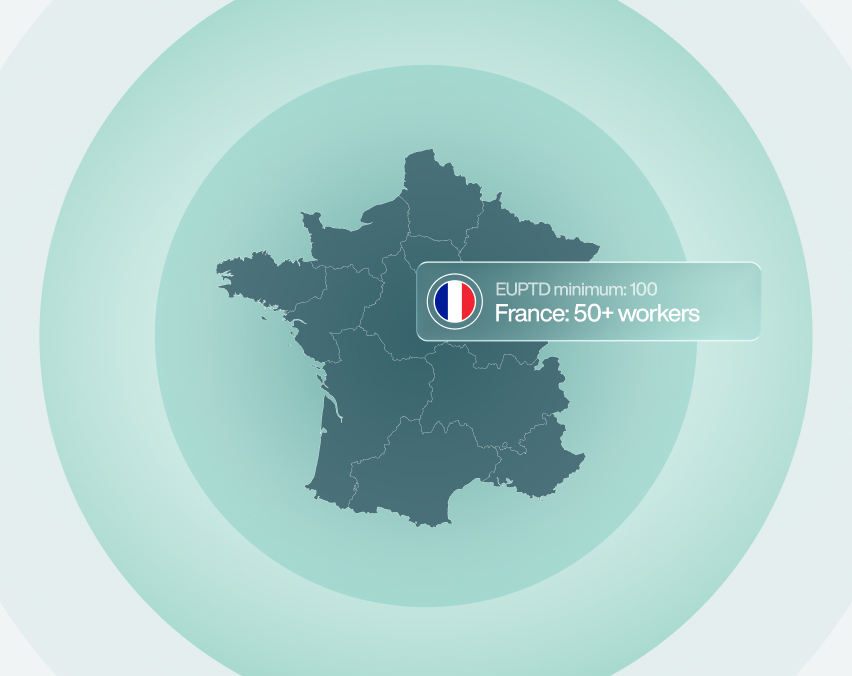
Several Member States that were previously considered “on track” are now expected to miss the June 7, 2026 transposition deadline, including:
- The Netherlands
- France
- Czechia
- Ireland
This is particularly notable because these countries are among the most advanced in their legislative processes, suggesting that deeper engagement with the Directive is revealing implementation challenges.
At the same time:
- Many Member States have yet to take meaningful legislative steps
- Employer groups are actively lobbying for delays (e.g., BusinessEurope and IBEC)
- Poland has also recently indicated a likely delay to January 2027
Pressure Is Building on the European Commission
To date, the European Commission has resisted calls to modify the Directive’s implementation timeline or substance.
However, Sweden’s move introduces a new dynamic:
- It provides political cover for other Member States to delay
- It increases the likelihood of collective pressure for renegotiation
- It raises questions about whether the Directive can realistically be implemented across all Member States by June 2026
Sweden’s position is particularly influential given its long-standing leadership in pay equity policy.
The Remaining “On Track” Countries
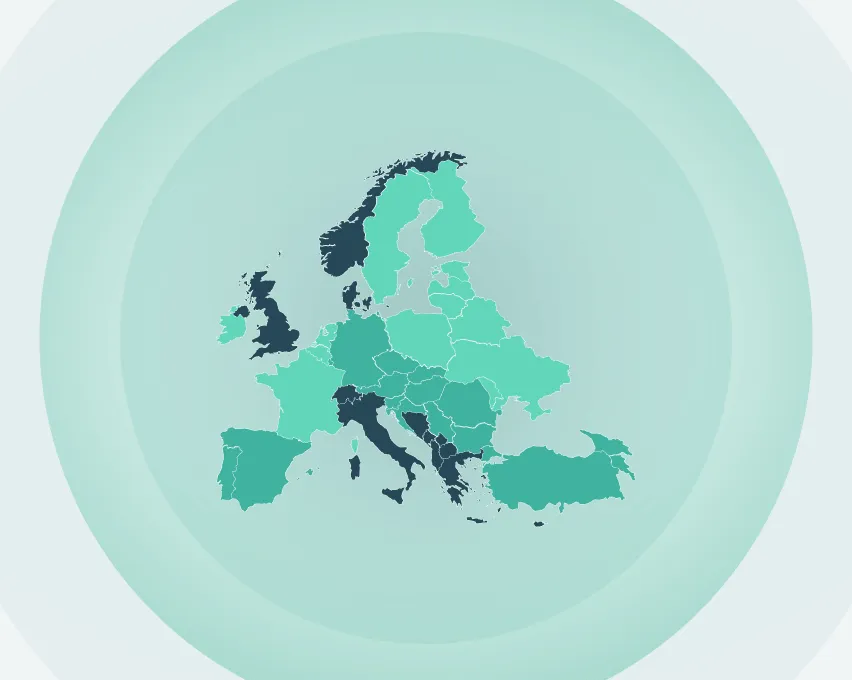
At this stage, only a small group of countries appear potentially capable of meeting the June 2026 deadline:
- Belgium (Flemish Region – public sector)
- Cyprus
- Finland
- Italy
- Latvia
- Lithuania
- Poland (now signaling delay)
- Romania
- Slovakia
However, these countries are likely to face additional pressure while gaining the political cover needed to not rush their legislative process as other notable Member States plan delays.
Note: The French Community in Belgium and Malta have both partially transposed the Directive. Malta’s partial transposition is limited to “same” work with no breakdown by sex, whereas the transposition in the French Community only applies to public sector employers in that region of Belgium.
What This Means for Employers
Despite widespread delays, employers should not interpret this as a reason to pause preparation.
Several important considerations remain:
- Right to Information (RTI) obligations may still take effect in certain jurisdictions by June 2026
- Multinational employers could face inconsistent obligations across Member States
- Workers in early-adopting countries may drive informal expectations for transparency elsewhere
- Where the deadline is missed infringement proceedings could accelerate legislative processes
- As of June 7, 2026, national courts will begin interpreting existing domestic legislation, to the greatest extent possible, in conformity with the wording and objectives of the unimplemented Directive.
- Under certain conditions, employees of public and semi-public entities may be able to rely directly on provisions of the Directive, provided those provisions are sufficiently clear and unconditional.
In other words, even without full legal harmonization across the EU, practical pressure for transparency is accelerating.
Key Takeaway: Delays Are the New Reality But Complexity Remains
Sweden’s decision to halt its transposition efforts and seek renegotiation is a pivotal moment for the EU Pay Transparency Directive.
It signals that:
- Implementation timelines are increasingly uncertain
- Regulatory fragmentation across Member States is likely
- Employers must prepare for a patchwork of requirements rather than a single EU-wide standard in the near term
While the future of the Directive’s timeline remains unclear, one thing is certain: the expectation for greater pay transparency is not going away.
How Trusaic Can Help
At Trusaic, we provide employers across the EU with solutions to comply confidently with the Directive.
Our Complete EU Pay Transparency Solution enables compliant pay systems, ensures gender-neutral job evaluations, and automates complex reporting obligations to keep you one step ahead of EU pay transparency enforcement.
- PayParity® analyzes your rewards data (compensation/benefits in kind) and quickly identifies any potential unjustified inequities. It enables you to more easily comply with Article 7 (right to information) and Article 6 requirements (pay setting and progression policy).
- Our Remediation Optimization Spend Agent (R.O.S.A.) works as PayParity’s remediation engine to find the most cost-effective way to close nominal pay gaps to ensure compliance.
- Automated RTI workflows: Our bi-directional integrations with global HCM platforms allow pay equity data to flow securely from the Trusaic platform back into the HCM. Employees can then access their RTI reports directly within their existing HR systems. This eliminates manual report generation and reduces compliance risk.
- For organizations that prefer platform-based access, RTI reports can also be generated and delivered securely through the PayParity platform, with role-based permissions and full auditability.
- Salary Range Finder® ensures equitable pay at the point of hire to prevent any increases in pay gap and enables you to easily comply with the Directive’s salary range disclosure and salary history ban requirements.
- Pay Decisions: Generate fair, competitive offers instantly from Workday.
- Regulatory and Pay Transparency Reporting™ captures your pay equity findings and generates compliant reports.
Trusaic is GDPR compliant and can assist any organization in any EU state in meeting its obligations under both the EU Corporate Sustainability Reporting Directive and the EU Pay Transparency Directive.
Visit our always updated Member State Transposition Monitor to stay on top of the latest EU Pay Transparency Directive developments.