

















Pay equity is no longer a “nice to have.” It is a compliance requirement, a legal risk management exercise, and a foundational component of modern compensation strategy.
With regulations like the EU Pay Transparency Directive and expanding U.S. reporting requirements, organizations must be able to identify, explain, and remediate pay disparities using statistically valid, legally defensible methods.
The fundamental step toward achieving pay equity at your organization is conducting a pay equity analysis. This guide outlines exactly how to conduct a pay equity analysis — from data preparation to remediation and reporting.
What is a pay equity analysis?
A pay equity analysis is a statistical evaluation of employee compensation used to identify and explain pay disparities across gender, race, and other protected characteristics while controlling for legitimate pay factors such as role, experience, and performance.
Unlike simple pay comparisons, a pay equity analysis uses advanced statistical modeling — most commonly multiple regression — to determine whether pay differences are justified or require remediation.
Why does conducting a pay equity analysis matter?
Conducting a pay equity analysis is critical for three reasons:
- Compliance: Regulations like the EU Pay Transparency Directive require employers to assess and report pay gaps — and remediate them when unjustified.
- Legal Risk Mitigation: Unexplained pay disparities can lead to equal pay claims, regulatory investigations, and financial penalties.
- Operational Readiness: Employers must be prepared to respond to employee Right to Information (RTI) requests with accurate, defensible data.
As pay transparency requirements expand globally, organizations that fail to conduct robust pay equity analyses risk falling behind both legally and operationally.
How do you conduct a pay equity analysis?
Conducting a pay equity analysis requires a structured, methodologically sound approach. Below is the industry-standard framework used by leading organizations.
Define Scope and Employee Population
Determine:
- Which legal entities or geographies are included
- Which employees will be analyzed (full-time, part-time, contractors)
- How roles are structured (job architecture, job levels, job families)
A critical consideration is avoiding overly rigid or pre-defined comparison groups that can obscure disparities. A well-designed analysis evaluates employees in a way that reflects how compensation decisions are actually made.
Prepare and Validate Compensation Data
Collect and clean all relevant data, including:
- Base salary and total compensation (bonuses, incentives, benefits in kind)
- Job-related attributes (role, level, function)
- Human capital factors (tenure, experience, performance ratings, location)
Data quality is essential. Incomplete or inconsistent data will undermine the validity of the analysis.
Apply the Appropriate Statistical Methodology
A legally defensible pay equity analysis requires multiple regression modeling.
This approach:
- Controls for legitimate pay factors (Wage Influencing Factors)
- Isolates the impact of protected characteristics (e.g., gender, race)
- Produces an “adjusted pay gap”
Critically, leading organizations conduct intersectional analysis — evaluating multiple demographic factors within a single model. This avoids omitted variable bias and produces more accurate results.
Identify and Quantify Pay Gaps
The analysis will reveal:
- Unadjusted pay gaps (simple differences in average pay)
- Adjusted pay gaps (differences after controlling for legitimate factors)
Statistical significance is used to determine whether observed disparities are likely due to chance or indicate systemic issues.
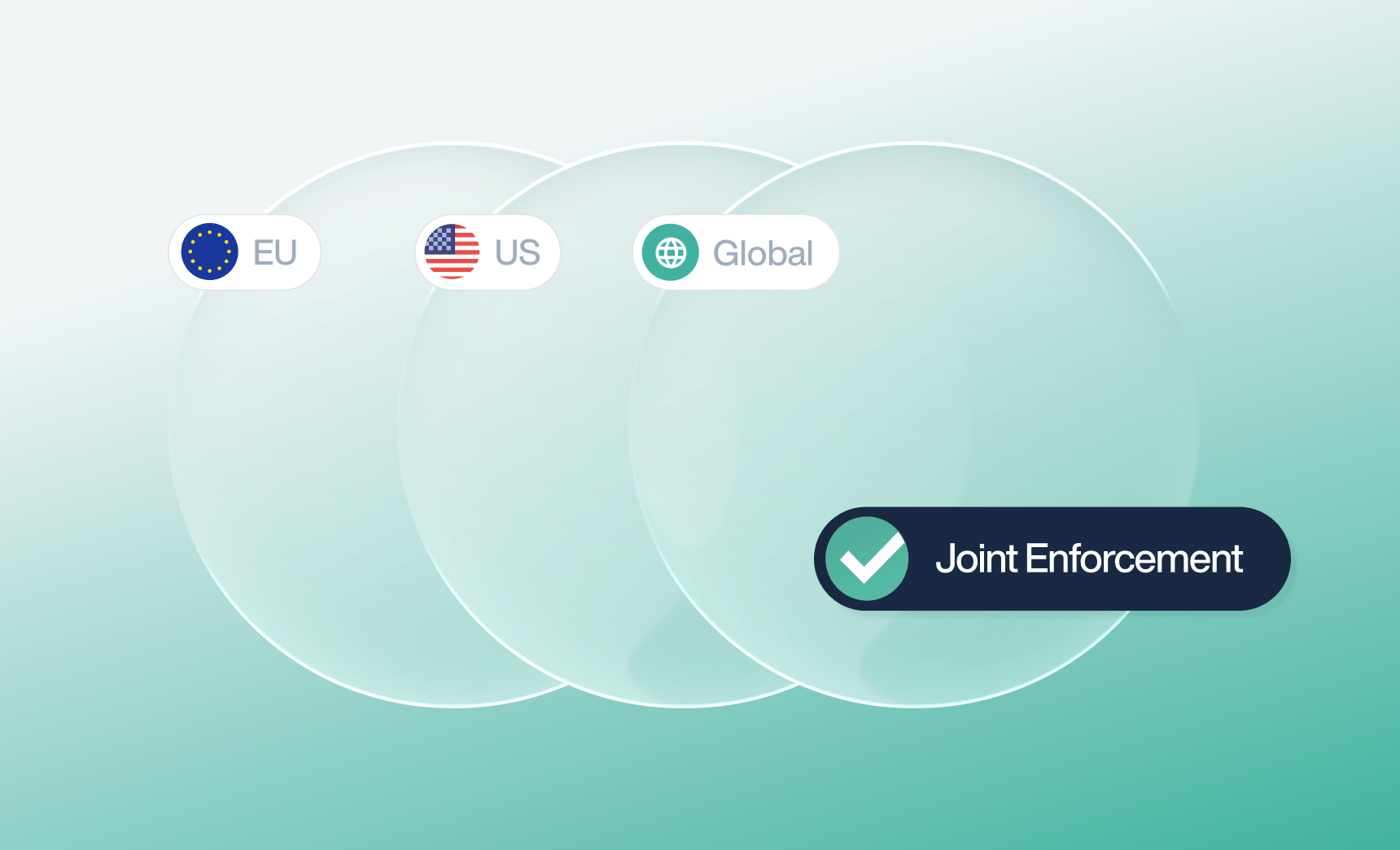
Under the EU Pay Transparency Directive, an adjusted pay gap of 5% or more may trigger additional compliance obligations, such as a Joint Pay Assessment.
Explain Pay Disparities
Once gaps are identified, organizations must determine whether they can be explained by legitimate, non-discriminatory factors.
This step involves:
- Reviewing model outputs
- Validating included variables
- Documenting justification for any pay differences
Unexplained gaps represent potential compliance and legal risks.
Remediate Unexplained Pay Gaps
When disparities cannot be justified, employers must take corrective action.
Remediation strategies include:
- Salary adjustments
- Budget allocation optimization
- Forward-looking pay governance changes
Advanced solutions, such as Trusaic’s proprietary Remediation Optimization Spend Analysis (R.O.S.A.) solution, help organizations reduce pay gaps efficiently while maximizing the impact of remediation budgets.
Report and Communicate Results
Organizations must be prepared to:
- Respond to employee Right to Information (RTI) requests
- Produce regulatory reports
- Communicate findings internally and externally
Clear, consistent, and accurate communication is essential to maintaining trust and ensuring compliance.
Monitor and Repeat the Process
Pay equity analysis should not be a one-time exercise.
Leading organizations review pay equity:
- annually
- before merit cycles
- before promotions or restructures
- ahead of disclosure/reporting deadlines
Ongoing monitoring helps prevent disparities before they grow. Leveraging tools like Salary Range Finder® and pay decision intelligence prevents pay inequities before they start and aligns every decision with your pay strategy.
Why does intersectional pay equity analysis matter?
Many organizations analyze pay across gender and race separately. This approach is flawed.
When multiple factors influence pay, excluding one from the analysis introduces omitted variable bias, leading to inaccurate conclusions.
Intersectional analysis:
- Evaluates multiple demographic variables simultaneously
- Produces more precise and reliable results
- Aligns with regulatory expectations and best practices
A single, unified regression model provides the most accurate view of pay disparities across an organization.
Common pay equity analysis mistakes to avoid
Organizations often undermine their analyses by making avoidable mistakes:
- Relying on averages instead of statistical modeling
- Using rigid comparison groups that mask disparities
- Conducting separate analyses for different demographics
- Failing to include all relevant pay factors
- Treating pay equity as a one-time exercise instead of an ongoing process
Avoiding these pitfalls is critical to producing defensible results.
What tools are used for a pay equity analysis?
While pay equity analysis can be conducted manually, this approach is:
- Time-intensive
- Prone to error
- Difficult to scale
Modern organizations rely on purpose-built software platforms that:
- Automate statistical modeling
- Ensure consistency and auditability
- Support ongoing monitoring and compliance
Trusaic’s Pay Equity Software Suite enables organizations to conduct robust analyses, optimize remediation, and generate compliant reports across jurisdictions.
How can Trusaic help with my pay equity analysis?
Trusaic provides a comprehensive solution to help organizations conduct pay equity analyses and comply with global pay transparency requirements.
- Analyze: PayParity® identifies and explains pay disparities using statistically valid, intersectional models
- Remediate: R.O.S.A®. optimizes remediation strategies to reduce pay gaps efficiently
- Prevent: Salary Range Finder® prevents pay inequities before they start and aligns every decision with your pay strategy.
- Report: Regulatory Pay Transparency Reporting™ generates compliant reports across jurisdictions
Our platform ensures your pay equity analysis is fair, legally defensible, and audit-ready, so you can move from analysis to action with confidence.