














As EU Member State parliaments return from their summer recess, EU Pay Transparency Directive (EUPTD) transposition activity is picking back up across the bloc. Much of the recent movement has come in the form of incremental progress updates rather than headline transpositions, but taken together, they point to a fall season of renewed legislative momentum.
In this roundup, we cover the latest developments, led by news that the European Commission is weighing action against Sweden, along with updates from Bulgaria, Croatia, France, and Czechia.
The European Commission Is Considering Action Against Sweden
Sweden is among the Member States that missed the 7 June 2026 transposition deadline. As we noted in our August transposition update, Sweden’s government had prepared a draft transposition but does not intend to submit a bill to the Riksdag while it seeks a renegotiation of the Directive. That posture now appears to be drawing scrutiny from Brussels.
The European Commission is considering action against Sweden. While the Commission has not officially confirmed or denied whether it will bring an infringement proceeding against Sweden for failure to transpose the Directive, it has announced that it is evaluating the situation.
The Commission also confirmed once again that it “does not intend to reopen the directive, nor to delay its implementation,” reiterating the firm position it has maintained despite calls from some Member States and employer groups for renegotiation or postponement.
In the meantime, several public employers in Sweden have begun to voluntarily comply with the Directive. The Swedish Agency for Government Employers has advised state employers to comply with the Directive where it could have direct effect, that is, where clear and unconditional provisions may be enforceable against public entities even in the absence of national transposition.
Bulgaria Submits Its Transposition Bill to the National Assembly
On 11 September 2026, Bulgaria’s Council of Ministers submitted the draft transposition bill, revised based on consultation feedback, to the National Assembly. On the same day, the bill was assigned to committee review, with the Committee on Human Rights, Religious Denominations, and Citizens’ Complaints designated as the lead committee.
As for timing, the process for a government-approved bill to move through the Bulgarian Parliament typically takes two to four months, though it can be fast-tracked. The fast-track potential leaves open the possibility of Bulgaria advancing meaningfully before year-end.
Croatia Publishes a Voluntary Job Evaluation Methodology
Croatia’s Ministry of Labour, Pension System, Family and Social Policy has published a methodology for job evaluation based on the requirements of the EU Pay Transparency Directive. The methodology is voluntary and free to use, with accompanying guidance and tools tailored to company size.
The step aligns with a specific Directive obligation. Under Article 4(2), all Member States are required to take the necessary measures to ensure that analytical tools or methodologies are made available and are easily accessible to support and guide the assessment and comparison of the value of work in accordance with the criteria of the Directive. Croatia’s release of a ready-to-use methodology, even ahead of a full transposition bill, gives employers there an early, concrete resource for building gender-neutral job evaluation into their pay structures.
Where Things Stand as Parliaments Return From Recess
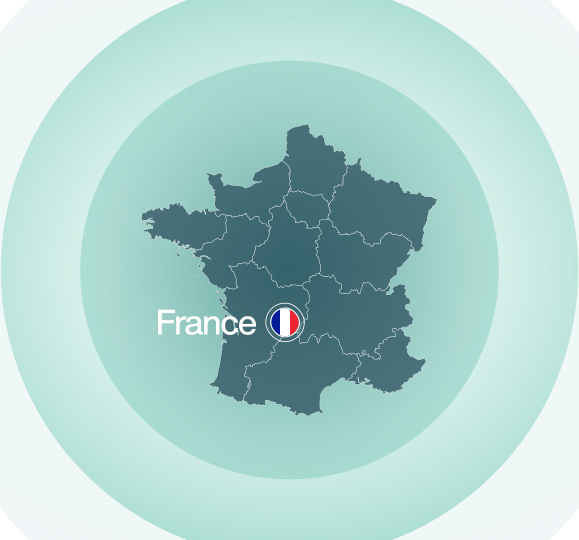
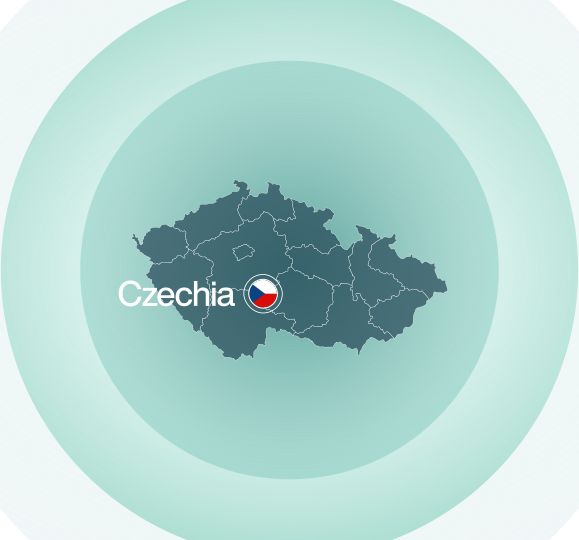
The developments above arrive as EUPTD transposition broadly re-accelerates following the summer lull. Two of the most significant recent steps came from France and Czechia:
- France’s transposition bill was adopted in the Council of Ministers on 10 September 2026 and deposited at the Senate under accelerated procedure, moving it into the parliamentary phase.
- Czechia’s government approved its transposition bill on 31 August 2026, sending it to the Chamber of Deputies to begin the legislative process.
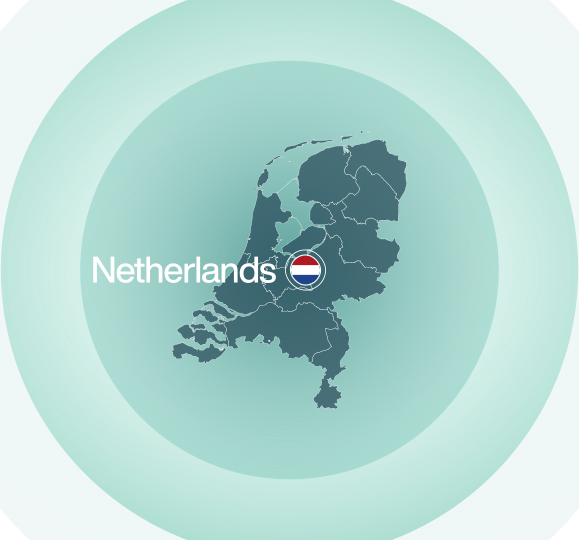
Expect the pace to continue into the fall, as Member States targeting a 1 January 2027 entry into force, including Czechia, Finland, Denmark, and Latvia, work to move their bills through remaining legislative stages before year-end. The Netherlands’ transposition was originally targeting 1 January 2027, but the latest update there indicates it will miss that target.
Sweden’s standoff with the Commission, meanwhile, is worth watching as an early signal of how aggressively the EU intends to enforce against Member States that have not transposed.
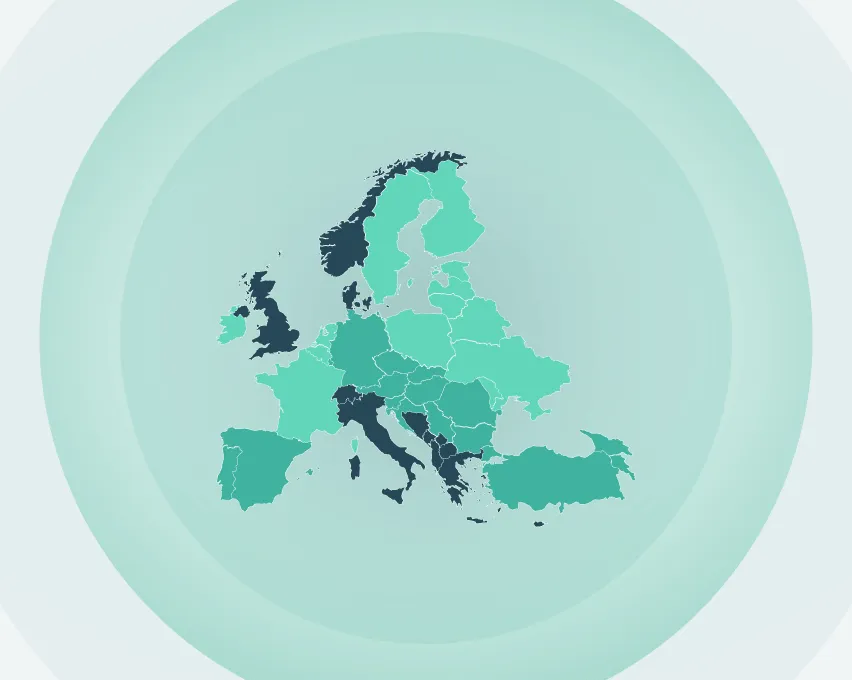
For a real-time view of where each Member State stands, visit Trusaic’s Member State Transposition Monitor.
How Trusaic Can Help
At Trusaic, we provide employers across the EU with solutions to comply confidently with all of the components of the Directive.
Our Complete EU Pay Transparency Solution enables compliant pay systems, ensures gender-neutral job evaluations, and automates complex reporting obligations to keep you one step ahead of EU pay transparency enforcement.
- PayParity® analyzes your rewards data (compensation/benefits in kind) and quickly identifies any potential unjustified inequities. It enables you to more easily comply with Article 7 (right to information) and Article 6 requirements (pay setting and progression policy).
- Our Remediation Optimization Spend Analysis (R.O.S.A.) works as PayParity’s remediation engine to find the most cost-effective way to close nominal pay gaps to ensure compliance.
- Automated RTI workflows: Our bi-directional integrations with global HCM platforms allow pay equity data to flow securely from the Trusaic platform back into the HCM. Employees can then access their RTI reports directly within their existing HR systems. This eliminates manual report generation and reduces compliance risk.
- For organizations that prefer platform-based access, RTI reports can also be generated and delivered securely through the PayParity platform, with role-based permissions and full auditability.
- Salary Range Finder® ensures equitable pay at the point of hire to prevent any increases in pay gap and enables you to easily comply with the Directive’s salary range disclosure and salary history ban requirements.
- Pay Decisions: Generate fair, competitive offers instantly from Workday.
- Regulatory and Pay Transparency Reporting™ captures your pay equity findings and generates compliant reports.
Trusaic supports GDPR compliance and can assist any organization in any EU state in meeting its obligations under both the EU Corporate Sustainability Reporting Directive and the EU Pay Transparency Directive.
Visit our always updated Member State Transposition Monitor to stay on top of the latest EU Pay Transparency Directive developments.