









EU Pay Transparency Directive (EUPTD or Directive) activity held steady through October, led by Greece’s first detailed implementation guidance ahead of the 1 November entry into force of substantive employer obligations. Romania’s draft legislation also took its next step through the legislative process, while Finland, Denmark, Germany, and Poland each saw meaningful developments of their own.
In this roundup, we cover Greece’s new Ministry guidance, Romania’s Senate vote, Germany’s early thinking on data protection, Poland’s gender-neutral job posting clarification, and recent updates from Finland and Denmark.
Greece Provides Guidance Ahead of 1 November Entry Into Force
On 8 October 2026, Greece’s Ministry of Labour and Social Security published a 24-page circular providing instructions and clarifications for implementing the Greek transposition of the Directive (Law 5316/2026). The law’s employer obligations, including the Right to Information (RTI), enter into force 1 November 2026.
The guidance refines several aspects of Greece’s RTI requirements:
- Pay component itemization: RTI responses must present pay by individual component, including basic salary, fixed benefits, and variable pay, a requirement introduced by the Ministry’s guidance rather than the law itself.
- Reference periods: Fixed earnings must reflect the date the request was made, while complementary and variable pay should use actual data from a recent, appropriate prior period. A rolling 12-month reference period is noted as a reasonable methodological choice for complementary and variable pay components, though it is not mandatory.
- Abusive requests: Employers may reject requests that are manifestly disproportionate or abusive, such as repetitive requests already satisfied, subject to adjudication by Greece’s Ombudsman.
- Privacy safeguards: Where a response could reveal an identifiable worker’s pay, only employee representatives or the Ombudsman may access the underlying information, assessed case by case.
The Ministry also pointed employers to a free gender pay gap calculation tool through the FAIR PAY project and provided a pay structure template in the annex to its guidance circular.
Romania’s Transposition Bill Moves to the Chamber of Deputies
On 14 October 2026, Romania’s Senate voted on its draft transposition legislation (L445/2026) under urgent procedure, rejecting the bill with 27 in favor, 1 against, and 62 abstentions. However, the Chamber of Deputies is the decisional chamber for the proposal and will have the final say on whether to adopt, amend, or reject it.
The vote followed a joint committee report recommending adoption with proposed amendments, including:
- RTI and easily accessible pay criteria requirements proposed to enter into force 7 June 2027
- Initial RTI response time holding at 30 working days, with an extension to 60 working days for responses to requests for clarification. It also proposes a 60-day window for requests routed through the National Council for Combating Discrimination.
- The remediation deadline for unjustified pay gaps extended to 180 days, from 90
- Ministry methodological guidance and reporting rules due within 90 days of the law’s entry into force
- Authority for public procurement bodies may exclude bidders for pay transparency noncompliance
These amendments are not yet incorporated into the legislation but are now part of the record moving to the Chamber of Deputies.
Germany Signals Early Thinking on Data Protection and Discretion
Germany has yet to publish draft transposition legislation, but a draft could reach the cabinet in November. Germany’s Ministry has confirmed that the legislation will enter into force in early 2027 at the earliest, with pay reporting duties and the individual right to information not taking effect until June 2028.
In September, the government drafted a research paper for an individual Member of the Bundestag to address the potential GDPR implications of the EU Pay Transparency transposition.
Poland Clarifies Gender-Neutral Job Posting Requirements
In response to a parliamentary question, Poland’s Minister of Family, Labour and Social Policy clarified compliance options for the gender-neutral vacancy notice and job title requirement that took effect under Poland’s partial transposition on 24 December 2025.
Acceptable approaches include compound forms (such as “female teacher/male teacher”), using the job title in its masculine or feminine form, but with information referring to both sexes (e.g. male nurse F/M), stating that a person is sought for a role, or describing the type of work rather than using a gendered title.
Any form that does not indicate that only a man or only a woman may hold a position is considered compliant. This is useful guidance for employers preparing postings in other Member States with similarly gendered languages.
Finland’s Incomes Register Publishes Reporting Guidance
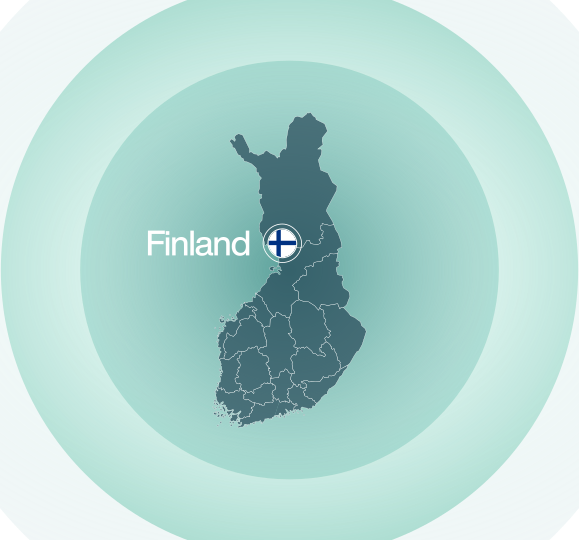
Finland’s government bill (HE 129/2026 vp) continues moving through Parliament. Meanwhile, the Incomes Register (Tulorekisteri) published its first reporting guidance on 30 September 2026.
The guidance confirms a phased start for additional data submission, beginning 1 January 2027 for employers with 150 or more employees and 1 January 2030 for employers with 100 to 149. Employers’ separate reports with pay gaps by worker category will be due in May 2028 and May 2031, respectively. These pay gaps will be determined by dividing the average female pay in a worker category by the average male pay, multiplying by 100, and rounding to the nearest whole number. This is a different formula from Eurostat and other Member States to date. The guidance also clarifies how employers should determine headcount and worker categories.
Denmark Delays Entry Into Force to March 2027
On 8 October 2026, Denmark tabled its updated transposition bill (L68) with the Folketing, with a first reading scheduled for 22 October. The bill pushes the proposed entry into force from 1 January 2027 to 1 March 2027, while keeping the broader reporting timeline intact. It also refines how pay gaps by worker categories will initially be determined by Statistics Denmark using the 6-digit DISCO occupational codes. However, employers will ultimately be responsible for ensuring that worker category classifications align with work of equal value in their organizations. Where DISCO codes do not align with work of equal value, and in other defined situations, employers, rather than Statistics Denmark, must prepare their own wage statements or supplements to the government-prepared report.
Where Things Stand Heading Into November
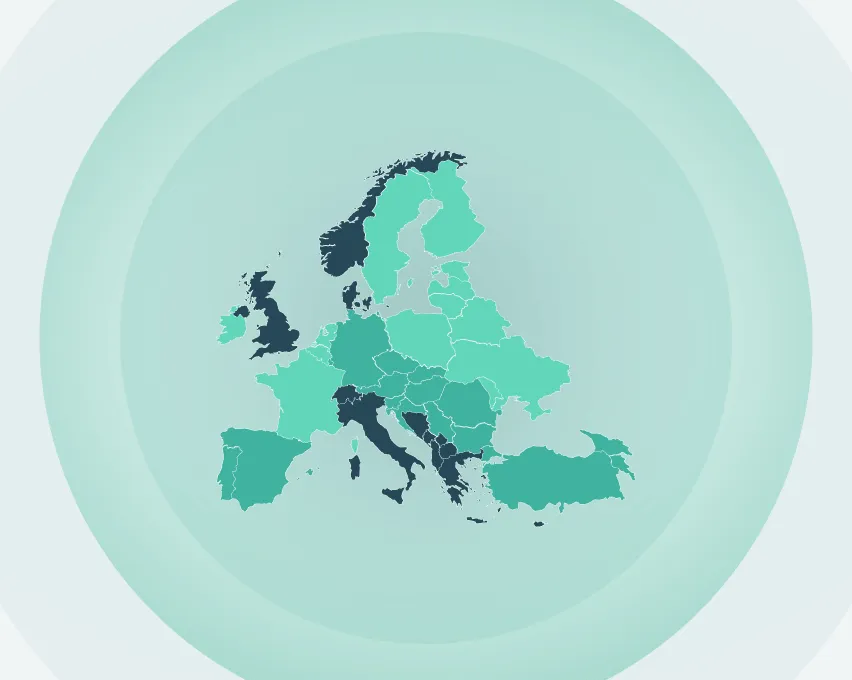
With Greece’s substantive obligations just weeks away and Romania, Germany, Finland, and Denmark all working through their own legislative processes, EUPTD transposition activity shows no signs of slowing as the year winds down. For a real-time view of where each Member State stands, visit Trusaic’s Member State Transposition Monitor.
How Trusaic Can Help
At Trusaic, we provide employers across the EU with solutions to comply confidently with the Directive.
Our Complete EU Pay Transparency Solution enables compliant pay systems, ensures gender-neutral job evaluations, and automates complex reporting obligations to keep you one step ahead of EU pay transparency enforcement.
- PayParity® analyzes your rewards data (compensation/benefits in kind) and quickly identifies any potential unjustified inequities. It enables you to more easily comply with Article 7 (right to information) and Article 6 requirements (pay setting and progression policy).
- Our Remediation Optimization Spend Analysis (R.O.S.A.) works as PayParity’s remediation engine to find the most cost-effective way to close nominal pay gaps to ensure compliance.
- Automated RTI workflows: Our bi-directional integrations with global HCM platforms allow pay equity data to flow securely from the Trusaic platform back into the HCM. Employees can then access their RTI reports directly within their existing HR systems. This eliminates manual report generation and reduces compliance risk.
- For organizations that prefer platform-based access, RTI reports can also be generated and delivered securely through the PayParity platform, with role-based permissions and full auditability.
- Salary Range Finder® ensures equitable pay at the point of hire to prevent any increases in pay gap and enables you to easily comply with the Directive’s salary range disclosure and salary history ban requirements.
- Pay Decisions: Generate fair, competitive offers instantly from Workday.
- Regulatory and Pay Transparency Reporting™ captures your pay equity findings and generates compliant reports.
Trusaic supports GDPR compliance and can assist any organization in any EU state in meeting its obligations under both the EU Corporate Sustainability Reporting Directive and the EU Pay Transparency Directive.
Visit our always updated Member State Transposition Monitor to stay on top of the latest EU Pay Transparency Directive developments.