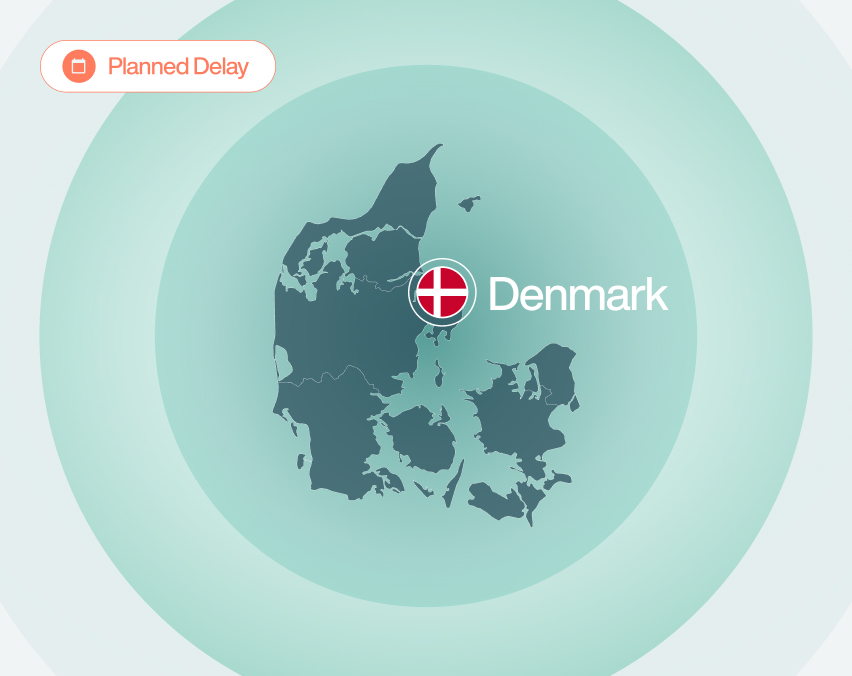











On 8 October 2026, Denmark tabled its updated EU Pay Transparency Directive transposition bill with the Danish Parliament (Folketinget). The “Proposal for an Act amending the Act on Equal Pay for Men and Women, etc.” (L68) is on the agenda for a first reading on 22 October 2026.
The bill keeps much of the structure and policy choices of the consultation draft Denmark published on 26 February 2026, which we covered in detail in our earlier post. The headline change: the proposed entry into force has moved from 1 January 2027 to 1 March 2027. The bill also refines how worker categories will be determined and clarifies when employers, rather than Statistics Denmark, must prepare their own wage statements.
How Much Has the Entry Into Force Date Moved?
The consultation draft proposed a 1 January 2027 entry into force. The bill now before Parliament pushes that date to 1 March 2027, a two-month delay that leaves the broader timeline intact: Directive-aligned reporting is still expected to begin in 2028.
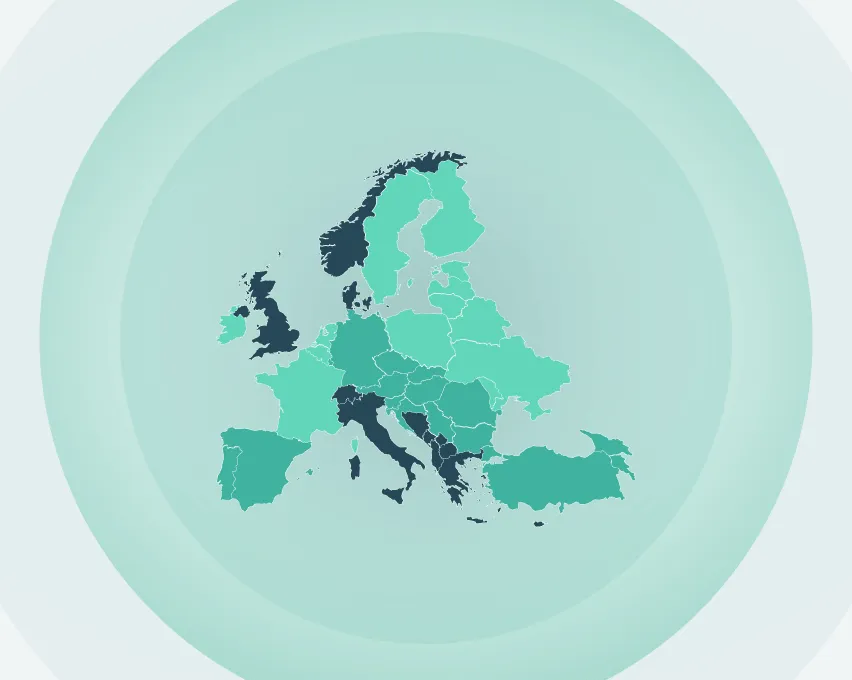
This remains well past the Directive’s 7 June 2026 transposition deadline, and the delay continues to raise the possibility of infringement proceedings under Article 258 of the Treaty on the Functioning of the European Union for Member States that missed the deadline.
How Will Worker Categories Be Determined?
Under the proposed reporting framework, Statistics Denmark, or an employers organizations, as applicable, under the Statistics Denmark Act, will compile a wage report, which employers must then submit to the Danish Labour Market Institute for Equal Pay within a month of receipt after consultation with employee representatives and ensuring that the information underlying the pay report is accurate and the methods used are appropriate. Reporting will be delayed to 2028, with the first wage reports generated on the employer’s behalf no later than 1 September 2028 for employers with 150+ employees.
For reporting pay gaps by worker categories, Statistics Denmark will form worker categories based on the 6-digit DISCO code (Denmark’s official classification of occupations), then further subdivide each category into employee groups: ordinary employees, managers, and apprentices/trainees or young persons under 18.
Employers remain responsible for confirming that this DISCO-based methodology actually reflects work of equal value within their own enterprise. Where the classification doesn’t line up, the employer must supplement the report or compile their own wage statement for submission.
When Must Employers Self-Report?
As a general rule, Statistics Denmark will prepare reporting data on employers’ behalf for the employer to verify before submission to the Danish Labour Market Institute for Equal Pay. The bill sets out, however, that employers can voluntarily prepare their own reports, and in four specific situations, they are required to do so:
- The employer has no duty to report pay data to Statistics Denmark
- The employer had a duty to report but did not meet it
- The employer reported pay data but did not receive a wage statement in return
- The wage statement received does not reflect the employee categories as determined by the employer, i.e. the DISCO codes do not reflect divisions by work of equal value within the organization
The deadline depends on which situation applies. Employers reporting because of the first two situations — no reporting duty, or a missed one — must prepare their reports by 1 September of the applicable reporting year, consistent with the deadline for the generation of reports by Statistics Denmark. Employers in the latter two situations — reported but received no statement, or received a statement that doesn’t match their own categorizations by equal value — have until 31 December.
What Does This Mean for Employers With Danish Operations?
The substance of Denmark’s approach hasn’t changed. It still leans heavily on data already reported to Statistics Denmark rather than building a standalone reporting regime from scratch. What’s changed is the clock, by two months, and the detail on how categorization and self-reporting will actually work in practice.
For employers, the practical to-do list stays the same as it was after the consultation draft:
- Confirm whether DISCO-based worker categories, once subdivided into ordinary employees, managers, and apprentices/trainees or young persons under 18, genuinely align with work of equal value in your organization
- Identify now whether your enterprise or portions of your employee population are likely to fall into one of the four self-reporting scenarios, since the compliance burden shifts materially when Statistics Denmark isn’t doing the preparatory work
- Track the bill through its first reading on 22 October 2026 and subsequent parliamentary stages, since further changes remain possible before final adoption
Trusaic will continue monitoring L68 as it moves through the Folketinget.
How Trusaic Can Help
At Trusaic, we provide employers across the EU with solutions to comply confidently with all of the components of the Directive.
Our Complete EU Pay Transparency Solution enables compliant pay systems, ensures gender-neutral job evaluations, and automates complex reporting obligations to keep you one step ahead of EU pay transparency enforcement.
- PayParity® analyzes your rewards data (compensation/benefits in kind) and quickly identifies any potential unjustified inequities. It enables you to more easily comply with Article 7 (right to information) and Article 6 requirements (pay setting and progression policy).
- Our Remediation Optimization Spend Analysis (R.O.S.A.) works as PayParity’s remediation engine to find the most cost-effective way to close nominal pay gaps to ensure compliance.
- Automated RTI workflows: Our bi-directional integrations with global HCM platforms allow pay equity data to flow securely from the Trusaic platform back into the HCM. Employees can then access their RTI reports directly within their existing HR systems. This eliminates manual report generation and reduces compliance risk.
- For organizations that prefer platform-based access, RTI reports can also be generated and delivered securely through the PayParity platform, with role-based permissions and full auditability.
- Salary Range Finder® ensures equitable pay at the point of hire to prevent any increases in pay gap and enables you to easily comply with the Directive’s salary range disclosure and salary history ban requirements.
- Pay Decisions: Generate fair, competitive offers instantly from Workday.
- Regulatory and Pay Transparency Reporting™ captures your pay equity findings and generates compliant reports.
Trusaic supports GDPR compliance and can assist any organization in any EU state in meeting its obligations under both the EU Corporate Sustainability Reporting Directive and the EU Pay Transparency Directive.
Visit our always updated Member State Transposition Monitor to stay on top of the latest EU Pay Transparency Directive developments.