









For much of 2024 and 2025, employers across the EU have been grappling with a critical question:
Will the EU Pay Transparency Directive really be enforced starting June 7, 2026?
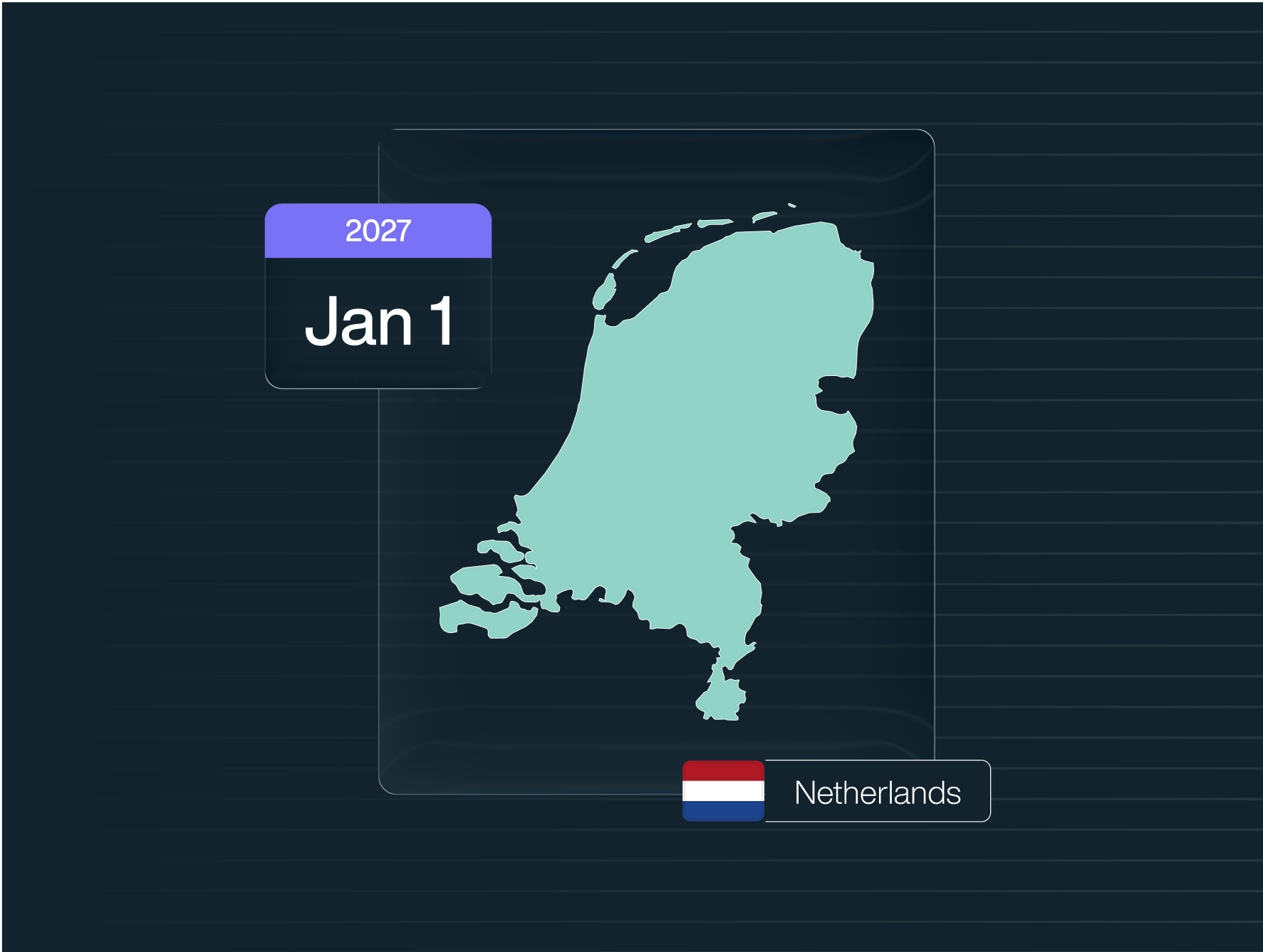
That uncertainty was fueled by signals from certain Member States — most notably the Netherlands — that they may not be able to meet the Directive’s transposition deadline. As a result, some employers began to question whether June 2026 was a firm compliance date or merely an aspirational target.
The European Commission has now removed that ambiguity.
In two formal responses on December 18, 2025 (Answer 1 & Answer 2) to questions from the European Parliament, the Commission made its position unmistakably clear: the June 2026 deadline stands.
Key Details
In its responses, the European Commission reaffirmed that the EU Pay Transparency Directive is:
[I]nstrumental for the full realisation of the right to equal pay for the same work or work of equal value between women and men . . . .
More importantly for employers, the Commission explicitly stated that it:
expects all Member States to transpose the directive by the deadline of June 2026.
This confirmation applies regardless of whether individual Member States are currently behind in drafting or political negotiations. In other words, national delays do not change the EU-level compliance expectation.
What Happens If a Member State Misses the Deadline?
The Commission also reiterated the legal consequences of late transposition.
Under EU law, Member States are legally required to transpose directives within the prescribed deadline. If a Member State fails to do so, the Commission may initiate infringement proceedings under Article 258 of the Treaty on the Functioning of the European Union (TFEU).
That process typically begins with a letter of formal notice, which can escalate to further legal action through the Court of Justice of the European Union if non-compliance persists.
While infringement proceedings are directed at Member States — not employers — they create strong political and regulatory pressure to accelerate enforcement once national laws are enacted, often with limited transition periods. In addition, where there is a gap, after June 7, 2026, national courts may interpret existing national laws as far as possible in light of the wording and purpose of the Directive.
The Commission Is Supporting Implementation
At the same time, the Commission emphasized that it is actively supporting Member States in meeting the deadline.
The Commission:
- Organized four implementation workshops between 2024 and 2025 for national administrations and social partners
- Dedicated funding to support implementation of the directive, training, and capacity building
- Focused on reducing administrative burden in the design of the Directive through tiered thresholds and timelines for pay reporting and exemptions for small employers
In parallel, the European Institute for Gender Equality (EIGE) is developing a step-by-step toolkit on gender-neutral job evaluation and classification. According to the Commission, this toolkit will:
- Support employers and social partners directly
- Include methodologies tailored to employer size
These efforts underscore a critical point: the EU is investing in implementation, not preparing for delays.
What This Means for Employers
For employers operating in the EU, this reaffirmation of the deadline has immediate implications.
1. June 2026 Is the Operational Deadline
Regardless of where individual Member States currently stand legislatively, employers should plan as though national laws will be in force — and enforceable — by June 2026.
2. Late Transposition May Mean Compressed Timelines
If Member States rush legislation through in late 2025 or early 2026, employers may face short implementation windows, particularly for:
- Job architecture and worker category validation
- Gender-neutral job evaluation frameworks
- Pay gap analysis across total remuneration
- Right-to-information processes
- Joint pay assessment readiness
3. “Wait and See” Is No Longer a Viable Strategy
The Commission’s statement removes the regulatory ambiguity some employers were relying on. Preparation delays now carry real legal and operational risk.
How Trusaic Can Help
At Trusaic, we provide employers across the EU with solutions to comply confidently with the Directive.
Our Complete EU Pay Transparency Solution enables compliant pay systems, ensures gender-neutral job evaluations, and automates complex reporting obligations to keep you one step ahead of EU pay transparency enforcement.
- PayParity® analyzes your rewards data (compensation/benefits in kind) and quickly identifies inequities to determine if your adjusted gender pay gap is above 5%. It enables you to easily comply with Article 7 (right to information) and Article 6 requirements (pay setting and progression policy).
- Our Remediation Optimization Spend Agent (R.O.S.A.) works as PayParity’s AI remediation partner to find the most cost-effective way to close nominal pay gaps above 5% to ensure compliance.
- Salary Range Finder ensures equitable pay at the point of hire to prevent your pay gap from rising above 5% and enables you to easily comply with the Directive’s salary range disclosure and salary history ban requirements.
- Pay Decisions: Generate fair, competitive offers instantly from Workday.
- Regulatory Pay Transparency Reporting™ captures your pay equity findings and generates compliant, one-click reports across all EU jurisdictions.
- Our Pay Transparency Agent answers all your pay transparency reporting questions instantly.
- Our Communications Agent crafts perfect contextual narratives in any EU language to support your annual pay reports.
Trusaic is GDPR compliant and can assist any organization in any EU state in meeting its obligations under both the EU Corporate Sustainability Reporting Directive and the EU Pay Transparency Directive.
Visit our always updated Member State Transposition Monitor to stay on top of the latest EU Pay Transparency Directive developments.