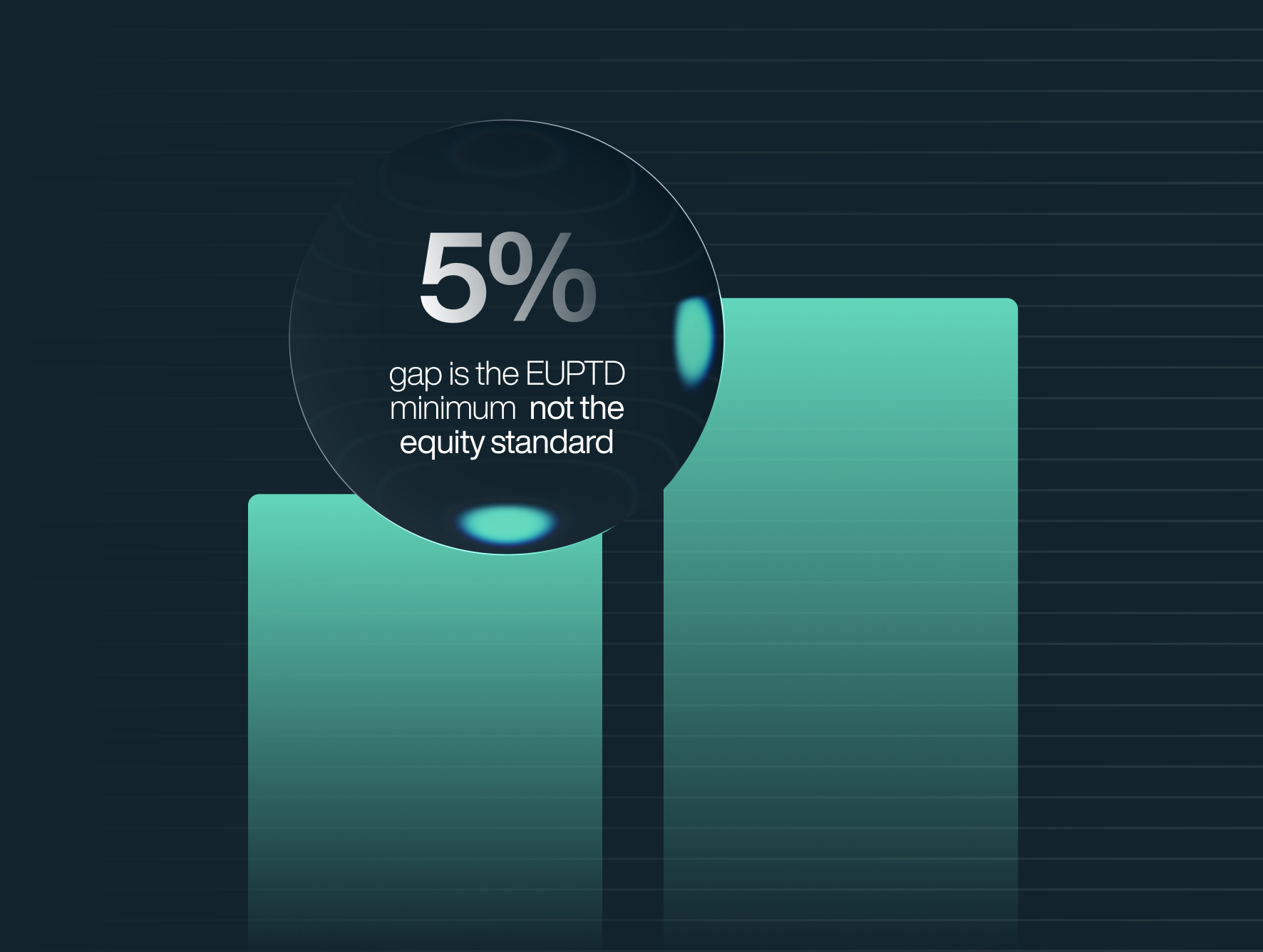















Much of the compliance conversation around the EU Pay Transparency Directive (EUPTD) centers on one number: 5%.
That focus is understandable. A 5% pay gap can trigger a Joint Pay Assessment (JPA) under Article 10 if the gap is not justified and remains unresolved.
But, contrary to popular belief, the Directive does not establish <5% as a permissible level of pay disparity.
In fact, Article 9(10) makes clear that once a pay difference is determined to be unjustified, the employer must remedy it — without any threshold based on size.
Article 9(10): The Obligation to Remedy Has No Minimum Threshold
Article 9(10) of the EUPTD provides that:
- Workers, workers’ representatives, labour inspectorates, and equality bodies have the right to request additional clarifications regarding reported pay data, including explanations concerning any gender pay differences.
- Employers must respond within a reasonable time with a substantiated reply.
- Where gender pay differences are not justified on the basis of objective, gender-neutral criteria, employers shall remedy the situation within a reasonable period of time in close cooperation with workers’ representatives, the labour inspectorate and/or the equality body.
There is no set threshold below which an unjustified pay difference is considered remedied.
Based on the plain terms of the Directive:
- Employers must remediate all unjustified pay differences — regardless of size.
- Anything over 0% that cannot be justified based on objective, gender-neutral criteria is not compliant with EUPTD obligations.
- “Reasonable period of time” is not defined in the Directive.
This is a critical distinction. The Directive does not say that employers only need to remediate unjustified gaps above 5%. It states they must remedy any unjustified differences.
Why the 5% Framing Is Misleading
It is true that if an employer reports a raw pay gap of at least 5% in a category of workers and cannot justify it, a Joint Pay Assessment may be triggered if the gap is not remedied within six months.
But the 5% concept is tied to the JPA mechanism — not to the legality of unjustified pay differences.
The Directive does not state that:
- Employers only need an adjusted pay gap below 5%.
- Employers only need to remediate unjustified gaps down to below 5%.
A JPA can be triggered where:
- The raw pay gap for a category of workers is at least 5%;
- The employer has not justified that pay gap; and
- Any unjustified portion has not been remedied within six months of reporting.
Importantly, this means, for example, a JPA could be triggered where:
- A 5% raw gap equates to a 2% adjusted pay gap, or
- Even where that gap has been further remediated to 1% but not eliminated.
The Directive’s structure makes clear: JPAs are triggered if any unjustified pay gaps remain after six months where raw pay gaps of 5% or more are reported.
There is no language suggesting that any residual unjustified gap below 5% is permitted.
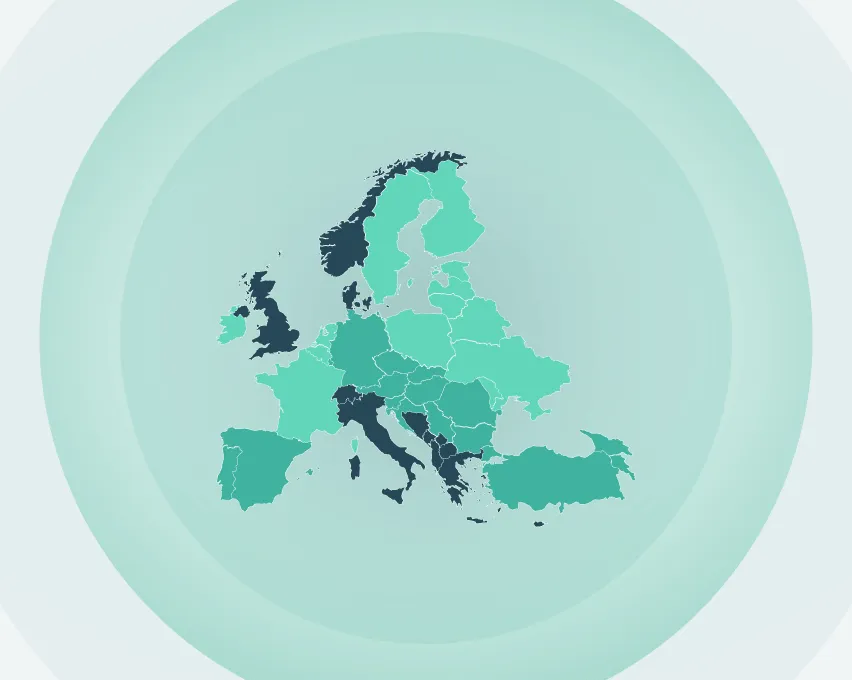
How Member State Drafts Are Addressing the Obligation to Remedy
We are now seeing this issue surface explicitly in Member State draft legislation.
The Netherlands
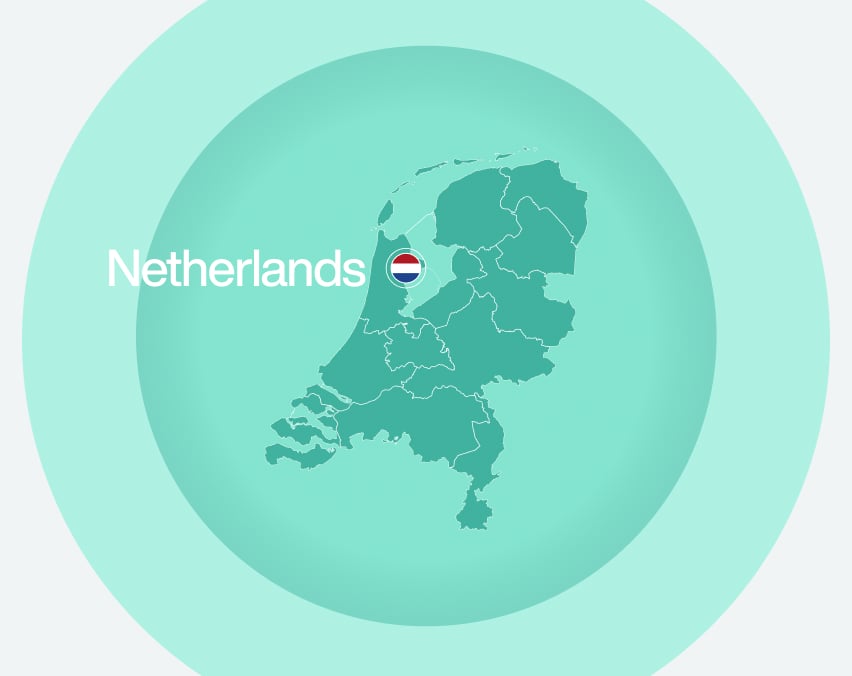
The Netherlands’ transposition draft from Jan. 19, 2026 states that in the case of any unjustified pay differences, the employer shall remedy the differences within a reasonable time.
In its explanatory notes, the Netherlands observes that the Directive does not specify what constitutes a reasonable period. The Netherlands chooses not to define it either, recognizing that reasonableness may depend on factors such as the extent of the differences and the nature of their cause.
Accordingly:
- No maximum limit is set on the reasonable period.
- Principles of reasonableness and fairness must be observed.
- The size of the discrepancy is irrelevant to the obligation to remedy.
The Netherlands expressly clarifies that a discrepancy in pay of 2% that cannot be objectively justified must still be remedied.
If a pay gap has not been remedied to 0% within a certain period, an employee may argue that the reasonable period has been exceeded. It would then be up to the Netherlands Institute for Human Rights or civil court to determine whether the employer complied with the reasonableness requirement.
Slovakia
Slovakia’s draft framework requires employers to take necessary remedial measures if pay differences are not justified. No specific timeframe is set. The obligation exists independent of a defined remediation clock.
Lithuania
Lithuania requires employers to remediate unjustified pay differences within a reasonable time, but no later than six months from the date of submission of the pay report.
Lithuania provides an example of a Member State converting “reasonable period” into a fixed six-month deadline.
Italy
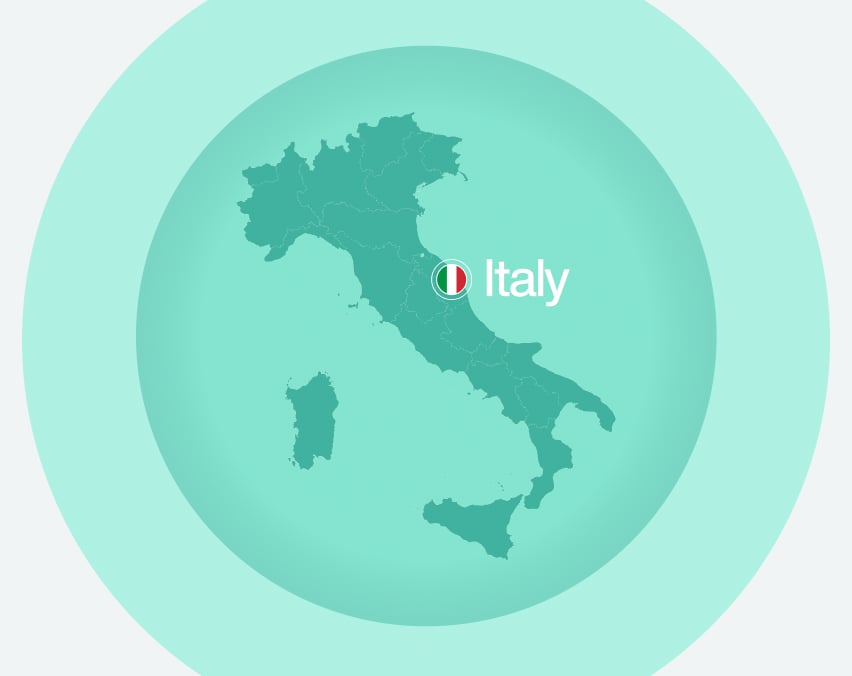
Italy’s draft legislative decree similarly requires employers to correct unjustified gender pay gaps based on objective, gender-neutral criteria, in close cooperation with worker representatives and the labour inspectorate or equality body.
The draft sets a six-month deadline from the date of reporting. There is no threshold based on the size of the gap. The obligation is to remediate any unjustified pay gaps within six months.
Poland
Poland has proposed adding a threshold to the remediation obligation.
Under Poland’s draft, if a pay gap report shows that the gender pay gap in any category of employees is at least 5% and is not justified by objective, gender-neutral criteria, the employer shall take effective remedial action within six months.
Otherwise, if the employer is unable to justify pay gaps in response to requests for detailed explanations (due within 14 days of receipt), the employer must take effective remedial action within a period that takes into account the scope of the required actions, but no longer than 8 months from the provision of detailed explanations.
The Broader Legal Risk: There Is No Safe Harbor
Beyond JPAs, employers face two additional and significant risks.
1. Equal Pay Claims
Equal pay claims may be brought regardless of the size of the raw or adjusted pay gap, so long as there is a difference over 0% that cannot be justified based on objective, gender-neutral criteria.
There is no safe harbor built into the Directive.
Even where a pay gap is below 5%, an employee can still pursue an individual claim if they allege direct or indirect discrimination. This risk is amplified under Article 7’s right to information requirement, as workers will have direct access to their worker category pay detail even outside of reporting. Under Article 9(9) workers are also entitled to the information on gender pay gaps by worker category that the company reports.
In Germany, the Commission discussed whether a pay transparency report showing a pay gap of less than 5% should be sufficient to refute the appearance of gender-specific pay discrimination in individual proceedings. The majority concluded by recommending that national legislators regulate the consequences of pay transparency reports in individual proceedings.
That discussion highlights the absence of an automatic safe harbor under the Directive itself.
2. Burden of Proof
Under Article 18(2) of the EUPTD, where an employer is out of compliance with Articles 9 or 10, the burden of proof also shifts for claims of discrimination.
In administrative or court proceedings concerning alleged direct or indirect discrimination, the employer bears the burden of proving that there has been no discrimination unless the noncompliance was manifestly unintentional and of minor character.
Noncompliance with reporting, JPA, or remediation obligations can therefore materially increase litigation risk.
3. Administrative Enforcement Exposure
Employers also face potential enforcement schemes at the Member State level, including:
-
- Orders to take corrective measures
- Administrative penalties
- Recurring penalty orders
- Oversight by labour inspectorates or equality bodies
The Bottom Line: 5% Is a Trigger — Not a Target
The 5% threshold is a trigger for a JPA. It is not a permissible level of unjustified pay disparity.
Article 9(10) requires employers to remediate any unjustified pay differences within a reasonable period of time. Anything over 0% that cannot be justified on objective, gender-neutral criteria presents legal risk.
In addition to legal risk, there is reputational risk. Ask yourself if you would be comfortable telling your workforce:
“We’ve conducted a thorough investigation of compensation between men and women and have ensured that women are paid at least 95% of what men earn for doing work of equal value.”
Employers preparing for EUPTD compliance should not treat “below 5%” as the finish line.
A legally-defensible strategy requires identifying, explaining, and remediating unjustified pay differences to zero within the applicable timeframe.
How Trusaic Can Help
At Trusaic, we provide employers across the EU with solutions to comply confidently with the directive.
Our Complete EU Pay Transparency Solution enables compliant pay systems, ensures gender-neutral job evaluations, and automates complex reporting obligations to keep you one step ahead of EU pay transparency enforcement.
- PayParity® analyzes your rewards data (compensation/benefits in kind) and quickly identifies any unjustified pay inequities. It enables you to easily comply with Article 7 (right to information) and Article 6 requirements (pay setting and progression policy).
- Our Remediation Optimization Spend Agent (R.O.S.A.) works as PayParity’s AI remediation partner to find the most cost-effective way to close nominal pay gaps to ensure compliance.
- Salary Range Finder ensures equitable pay at the point of hire to prevent your pay gap from rising further and enables you to easily comply with the Directive’s salary range disclosure and salary history ban requirements.
- Pay Decisions: Generate fair, competitive offers instantly from Workday.
- Regulatory Pay Transparency Reporting™ captures your pay equity findings and generates compliant, one-click reports across all EU jurisdictions.
- Our Pay Transparency Agent answers all your pay transparency reporting questions instantly.
- Our Communications Agent crafts perfect contextual narratives in any EU language to support your annual pay reports.
Trusaic is GDPR compliant and can assist any organization in any EU state in meeting its obligations under both the EU Corporate Sustainability Reporting Directive and the EU Pay Transparency Directive.
Visit our always updated Member State Transposition Monitor to stay on top of the latest EU Pay Transparency Directive developments.