
















The IRS released a draft version of the 2026 Form 1095-C in June 2026, giving employers an early look at next year’s reporting form. The details are familiar: the Line 14 offer-of-coverage codes and Line 16 safe harbor codes carry over unchanged, including the ICHRA-specific codes many employers now rely on. Final instructions for the form have not been released yet, so there is still some information to come.
This gives employers time to review coverage data, confirm coding accuracy, and prepare for the 2026 filing season before those instructions arrive, instead of scrambling once they do.
What Does the Draft 2026 Form 1095-C Tell Employers to Expect?
The released Form 1095-C draft gives employers and ACA reporting vendors a welcome look at next year’s form. The form keeps the existing Line 14 offer-of-coverage codes and Line 16 safe harbor codes, including the ICHRA-specific codes employers already use to report individual coverage HRA offers.
Several code slots remain reserved for future use. That does not confirm the IRS’s plans, but suggests coding changes are not imminent. Either way, there is no reason to hold off on prep and wait to see what might shift.
This year ALEs should focus on making sure the coverage data behind the codes is accurate, since employer shared responsibility payments have continued to rise year over year.
What’s Still Outstanding on 2026 ACA Filing Instructions?
The IRS typically releases ACA filing instructions in the fall.
Those instructions typically clarify procedural details the form itself does not cover. One example is the Notice of Availability, the alternative furnishing method created under the Paperwork Burden Reduction Act that lets employers post an online notice instead of mailing every employee a copy.
Employers weighing that option should watch for any confirmation or added detail once the instructions post.
How Can Employers Prepare for 2026 ACA Filing Now?
With the draft form pointing to minimal changes, employers should spend the next few months working on the following:
- Confirm measurement and tracking data is accurate.
- Reviewing full-time employee determination and hour tracking before filing season creates time pressure.
- Reconcile current-year offer of coverage records against the codes already in use.
- Confirm that Line 14 and Line 16 codes match the coverage actually offered, month by month.
- Set a review checkpoint for when final instructions post.
- Build a specific date into the filing calendar instead of discovering the instructions after the fact.
Employers that wait until final instructions are posted are left doing all three steps simultaneously, under a deadline.
What Key Dates Should Employers Plan Around for 2026 ACA Filing?
Based on the IRS’s permanent 30-day extension rule, employers can plan around these dates for the 2026 tax year:
- March 2, 2027: deadline to furnish Form 1095-C to full-time employees
- March 31, 2027: deadline to electronically file Forms 1094-C and 1095-C with the IRS
The IRS has not issued separate notices confirming these dates for the 2026 tax year, but they follow the standing regulatory extension that has applied in recent years.
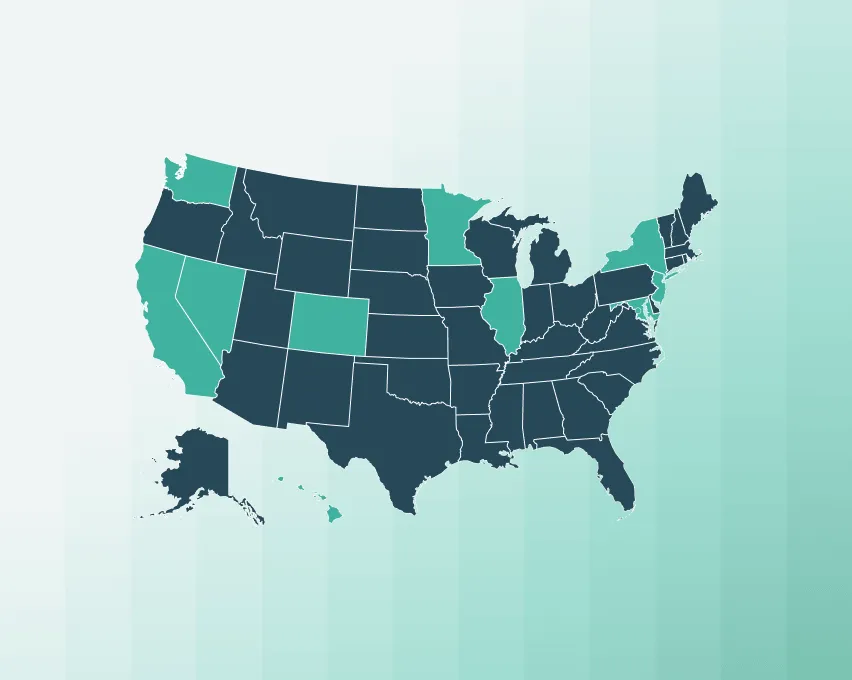
Employers in California, New Jersey, Rhode Island, Massachusetts, or Washington D.C. should also confirm their state filing deadline separately, since state deadlines do not always match the federal dates. Put every deadline on the calendar now, alongside the checkpoint for final instructions.
Why Does Preparing Early for the 2026 Form 1095-C Matter?
Most ACA filing seasons bring something new to account for: updated codes, revised instructions, last-minute corrections. The draft 2026 Form 1095-C removes that variable. With Line 14 and Line 16 unchanged, the work left is simple: confirm this year’s coverage data matches the codes employers already use.
Start that review now, rather than waiting for final instructions to force the issue. Trusaic’s ACA compliance solution can help confirm measurement, tracking, and coding accuracy ahead of the 2026 filing season.