





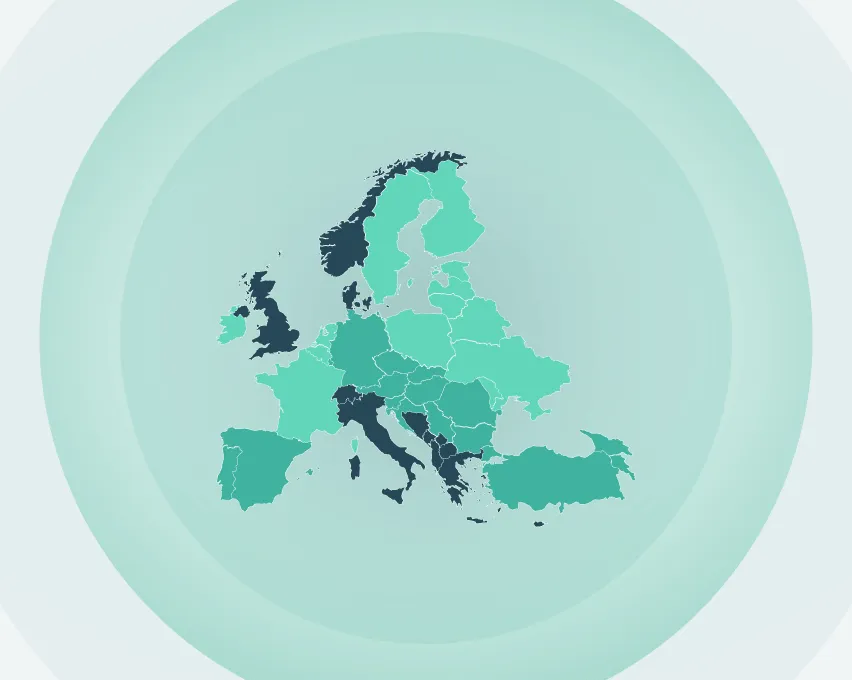








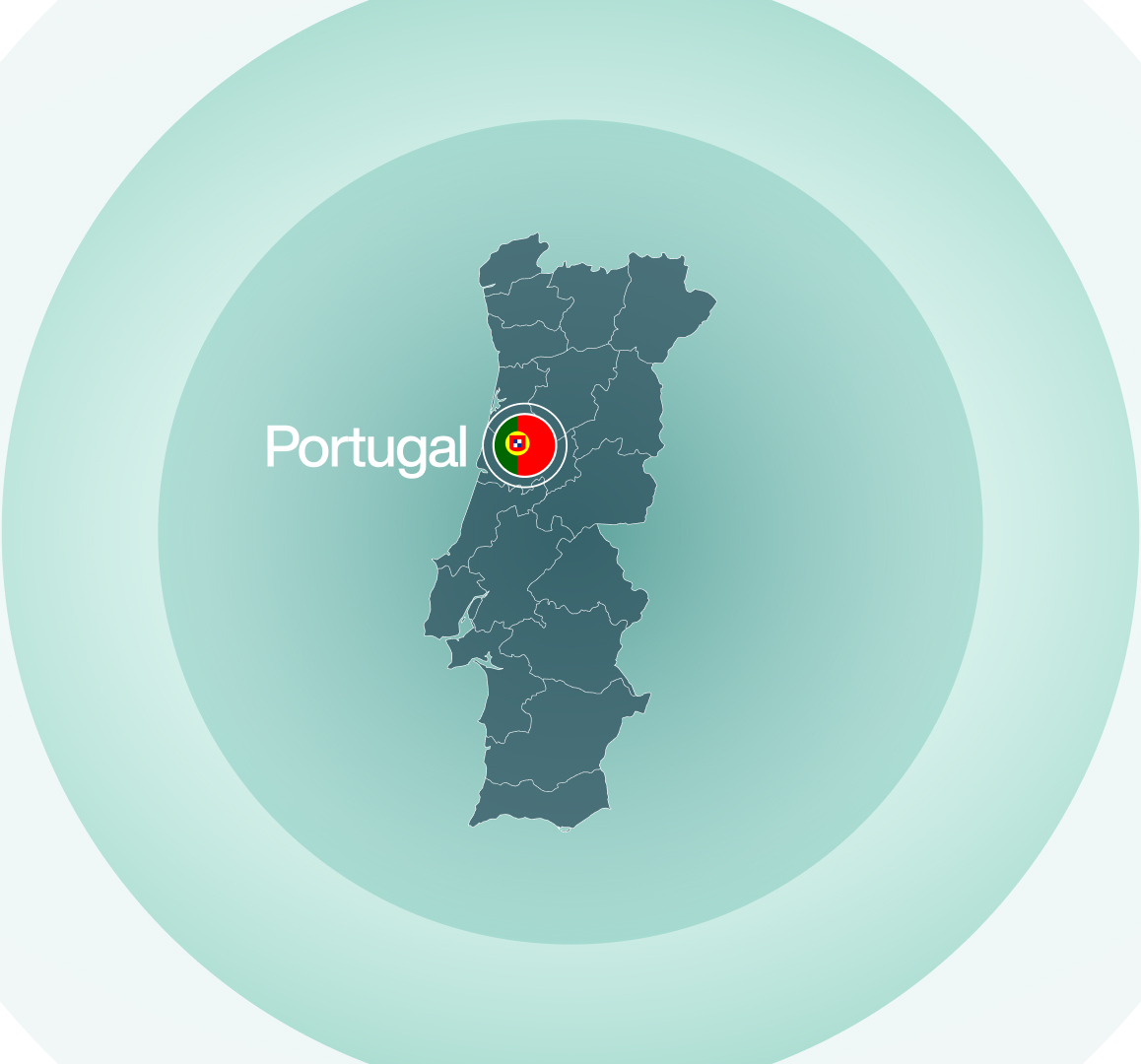
Portugal has taken its first formal step toward transposing the EU Pay Transparency Directive (Directive (EU) 2023/970), publishing a draft bill that would partially implement the Directive.
On 5 August 2026, the Ministry of Labour, Solidarity and Social Security published a draft bill for public consultation. The draft would partially transpose the Directive through amendments to Law No. 60/2018 of 21 August, Decree-Law No. 78/2026 of 16 March, and the Labour Procedure Code. The consultation period runs for just 20 days from the date of publication; a shortened window that the Ministry justified by citing the need for urgency.
The proposed legislation would enter into force on the first day of the month following its publication, signaling that Portugal intends to move quickly despite already having missed the Directive’s 7 June 2026 transposition deadline.
Notably, the draft would repeal and replace the existing obligation under Law No. 60/2018 for employers with 50 or more employees to submit corrective pay gap assessment plans (Plano de Avaliação de Diferenças Salariais) triggered by disparities identified through the annual Single Report (Relatório Único). In their place, Portugal would adopt the Directive’s reporting and joint pay assessment structure while retaining its preexisting 50-employee threshold and layering on tight response deadlines.
How Portugal Defines Pay
The draft defines “pay” as base pay and any other benefits, whether fixed or variable, in cash or in kind, which — under the employment contract — are owed by the employer to the worker in consideration for their work. “Pay level” means the annual gross pay and the corresponding gross hourly pay.
The qualifying language “under the employment contract” is worth watching. Because it ties the definition of pay to the contract itself, it may permit the exclusion of benefits that are not written into the employment contract, which is a narrower reading than the Directive’s broad conception of pay.
Work of Equal Value
Portugal defines work of equal value as work in which the duties performed in the service of the same employer are equivalent, having regard in particular to the qualifications or experience required, the responsibilities assigned, the physical and mental effort involved, and the conditions under which the work is carried out.
Under Article 4, the employer must ensure the existence of a transparent pay policy, which is agreed to with workers’ representatives where they exist, that takes into account skills, responsibilities, working conditions, and, where appropriate, any other factors relevant to the job or position.
Pay Transparency Before Employment
Consistent with Article 5 of the Directive, the draft gives job applicants the right to receive before the conclusion of the employment contract:
- The initial pay or its range, and
- The applicable collective bargaining agreement provisions
One gap relative to the Directive: the Portuguese text does not require that this information be provided in a manner that ensures an informed and transparent negotiation of pay.
The draft also prohibits employers from asking about a candidate’s pay history and bans pay secrecy clauses.
Employers must also post in customary locations, or publish on the intranet, the criteria used to determine pay, pay levels, and pay progression. Consistent with the Directive’s optional flexibility for smaller employers, companies with fewer than 50 employees are exempt from providing pay progression criteria.
Article 7 Worker Right to Information
Workers, including temporary workers, will have the right to request their individual pay level and the average pay levels, broken down by sex, for groups of workers performing equal work or work of equal value. Employers must respond within two months.
Requests may be made personally or through workers’ representatives or the Commission for Equality in Labour and Employment (Comissão para a Igualdade no Trabalho e no Emprego). The employer may require that the information be used only for the exercise of the right to pay equality.
One notable omission: unlike the Directive, the draft does not include a right for workers to request clarification of inaccurate or incomplete responses.
Pay Gap Reporting
Portugal sets its reporting threshold at 50 or more employees — lower than the Directive’s baseline — and preserves the phased cadence by company size. Temporary workers are counted toward the headcount for reporting purposes.
- 250+ employees – First report due June 7, 2027, then annually
- 150–249 employees – First report due June 7, 2027, then every three years
- 50–149 employees – First report due June 7, 2031, then every three years
Reporting is based on the previous calendar year’s data. Rather than requiring employers to calculate the indicators themselves, the draft has employers provide the underlying data, broken down by sex, to the entity responsible for data processing, which determines the reporting indicators.
Two features stand out on the enforcement side:
- A 15-day correction window. Information may be corrected by the employer within 15 days of its submission. Portugal appears to be the first Member State to include this type of correction provision, giving employers a built-in opportunity to fix errors before data is finalized.
- Tight justification deadlines. Responses to requests for clarification of reported data are due within 30 days. Where requested by the inspection authority, the company must justify pay differences within 90 days or present remediation measures. The inspection authority then has 45 days to analyze the response. If the difference is not justified, it is presumed to be discriminatory.
Joint Pay Assessments
Portugal has set a meaningfully higher bar for triggering a joint pay assessment (JPA) than the Directive does. If an employer is unable to justify or remedy a pay gap and an unjustified pay gap of at least 5% remains, the inspection authority may order the employer to submit a JPA within 45 days.
This is a departure from the Directive, which requires a JPA whenever a reported pay gap of 5% or more is not fully justified or remedied within six months of reporting. Portugal, by contrast, only requires a JPA where an unjustified gap of at least 5% remains after the employer’s justification and remediation efforts — effectively raising the threshold for when a JPA may be required.
Once a JPA is completed, with the participation of workers’ representatives where they exist, the company has 90 days to implement the planned corrective measures and submit a report to the inspection authority on their implementation and on its professional evaluation and classification systems.
Pay Discrimination Complaints
The draft also creates a distinct complaints pathway. When an individual files a complaint with the Commission for Equality in Labour and Employment and the Commission identifies evidence of discrimination, the employer has 30 days to justify the difference or present corrective measures to be applied within 180 days. As elsewhere in the draft, pay differences that are not justified are presumed to be discriminatory.
How Trusaic Can Help
At Trusaic, we provide employers across the EU with solutions to comply confidently with the Directive.
Our Complete EU Pay Transparency Solution enables compliant pay systems, ensures gender-neutral job evaluations, and automates complex reporting obligations to keep you one step ahead of EU pay transparency enforcement.
- PayParity® analyzes your rewards data (compensation/benefits in kind) and quickly identifies any potential unjustified inequities. It enables you to more easily comply with Article 7 (right to information) and Article 6 requirements (pay setting and progression policy).
- Our Remediation Optimization Spend Analysis (R.O.S.A.) works as PayParity’s remediation engine to find the most cost-effective way to close nominal pay gaps to ensure compliance.
- Automated RTI workflows: Our bi-directional integrations with global HCM platforms allow pay equity data to flow securely from the Trusaic platform back into the HCM. Employees can then access their RTI reports directly within their existing HR systems. This eliminates manual report generation and reduces compliance risk.
- For organizations that prefer platform-based access, RTI reports can also be generated and delivered securely through the PayParity platform, with role-based permissions and full auditability.
- Salary Range Finder® ensures equitable pay at the point of hire to prevent any increases in pay gap and enables you to easily comply with the Directive’s salary range disclosure and salary history ban requirements.
- Pay Decisions: Generate fair, competitive offers instantly from Workday.
- Regulatory and Pay Transparency Reporting™ captures your pay equity findings and generates compliant reports.
Trusaic is GDPR compliant and can assist any organization in any EU state in meeting its obligations under both the EU Corporate Sustainability Reporting Directive and the EU Pay Transparency Directive.
Visit our always updated Member State Transposition Monitor to stay on top of the latest EU Pay Transparency Directive developments.