





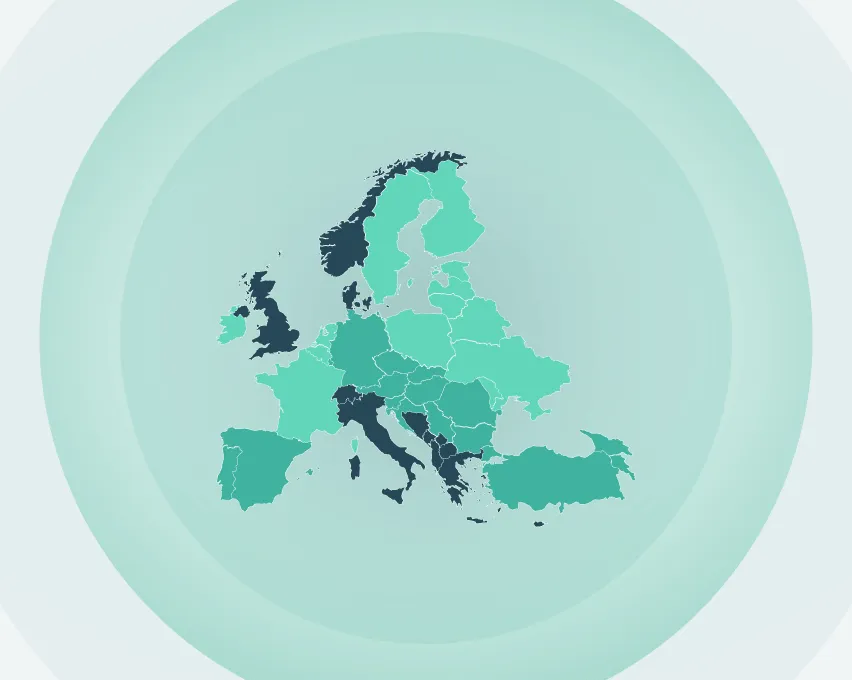








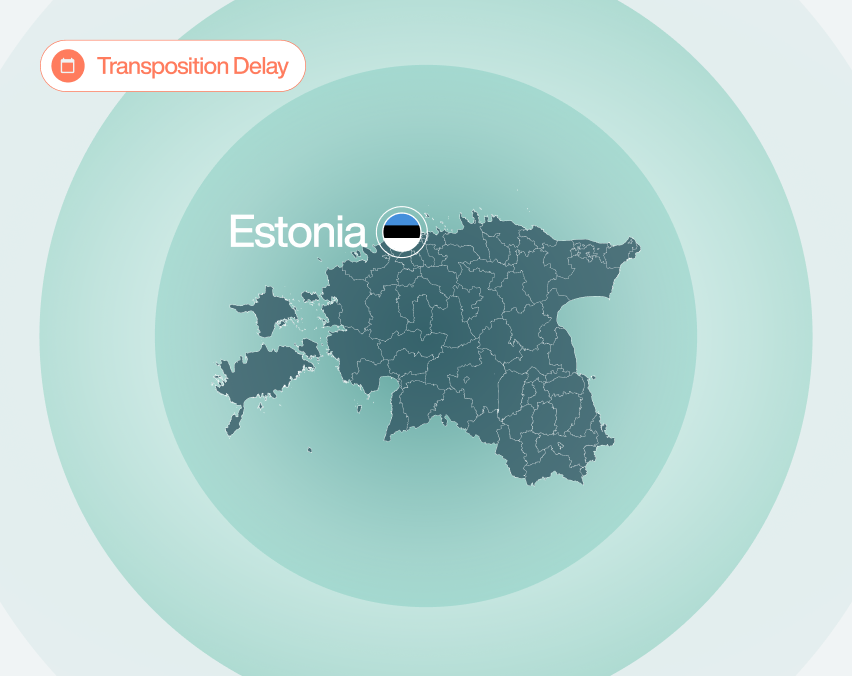
It was a whirlwind several hours on April 16, 2026 for Estonia’s government amid discussions on its EU Pay Transparency Directive transposition plans.
After signaling that it would seek a potential multi-year delay in implementing the Directive earlier in the day, the government decided that it would partially reverse course.
At a cabinet meeting, the government decided that Estonia would move forward with a plan to strengthen legal clarity around the existing right to equal pay for equal work and incorporate certain EUPTD pre-employment pay transparency rights into Estonian law.
The draft of this law is slated to be submitted to the cabinet by the end of April.
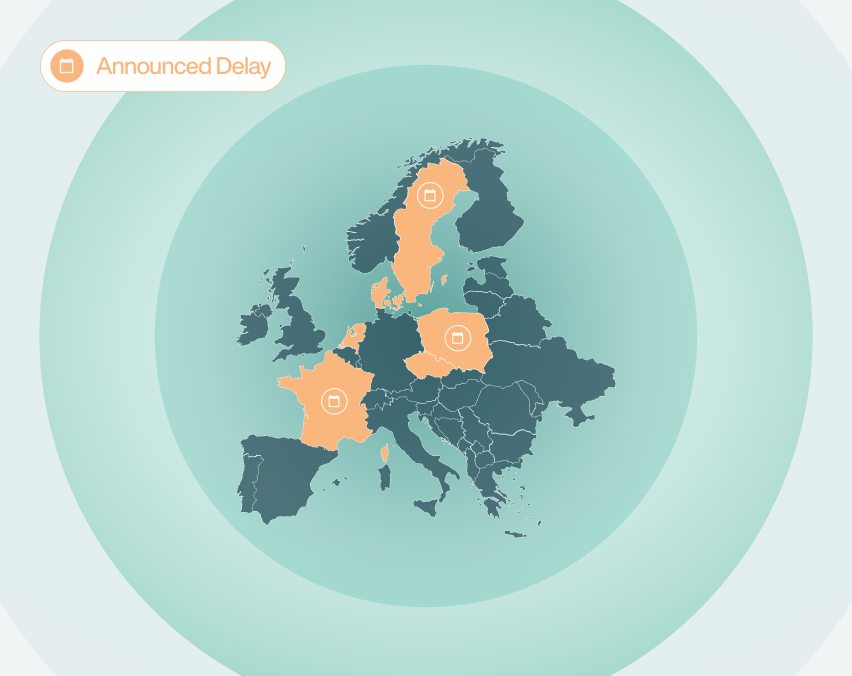
As for the remaining requirements, however, Estonia is seeking to postpone implementation and seek renegotiation. This positions Estonia alongside countries like Sweden that are openly challenging the administrative scope of the Directive.
What Estonia Is Moving Forward With
The draft legislation, expected to be submitted to the cabinet in April, focuses on clarifying existing rights and adding limited pre-employment transparency rights, rather than introducing a comprehensive compliance regime.
First, Estonia will reinforce the principle of equal pay for equal work or work of equal value by explicitly codifying it within the Employment Contracts Act. While this requirement already exists under the Gender Equality Act, the government’s intent is to eliminate any ambiguity and ensure the principle is clearly reflected in core labor law.
Second, Estonia plans to introduce select pre-employment transparency rights aligned with the Directive. These include:
- A prohibition on asking applicants about their salary history
- A requirement to provide salary range information to applicants before an interview
Finally, Estonia will continue to rely on its existing enforcement framework, which already places significant responsibility on employers. Employees have access to state-supported mechanisms if they suspect pay discrimination, and the burden of proof remains with the employer to demonstrate that pay differences are justified.
Clear Pushback on Directive Complexity
Despite these domestic steps, Estonia has been explicit in its concerns about the Directive itself. Government officials have pointed to several provisions they view as unnecessarily complex and burdensome, including requirements related to formalized pay structures, expanded definitions of remuneration, and increased reporting obligations.
The central concern is that these requirements may reduce clarity rather than improve it, while placing a disproportionate burden on small and medium-sized enterprises. Estonia has formally proposed simplifying these elements to the European Commission, echoing similar concerns raised by Sweden.
It is worth noting: unlike Sweden, Estonia has one of the largest gender pay gaps in Europe and weak trade unions. Estonia is hoping that the new composition of the European Commission will be receptive to arguments about entrepreneurial freedom and competitiveness.
A Strong Position on Postponement
Prior to this partial pivot, Estonia had taken one of the most assertive positions among Member States regarding delay. The Minister of Economic Affairs and Industry publicly stated that Estonia would prefer paying fines rather than implementing requirements that could harm business competitiveness.
This stance reflects a broader policy view in Estonia that compensation should remain primarily driven by market dynamics and employer-employee negotiation, rather than highly prescriptive regulatory frameworks.
What This Means for Employers
As was the case with Sweden, despite widespread delays, employers should not interpret this as a reason to pause preparation.
Several important considerations remain:
- Right to Information (RTI) obligations may still take effect in certain jurisdictions by June 2026
- Multinational employers could face inconsistent obligations across Member States
- Workers in early-adopting countries may drive informal expectations for transparency elsewhere
- Where the deadline is missed infringement proceedings could accelerate legislative processes
- As of June 7, 2026, national courts will begin interpreting existing domestic legislation, to the greatest extent possible, in conformity with the wording and objectives of the unimplemented Directive.
- Under certain conditions, employees of public and semi-public entities may be able to rely directly on provisions of the Directive, provided those provisions are sufficiently clear and unconditional.
In other words, even without full legal harmonization across the EU, practical pressure for transparency is accelerating.
The Bigger Picture
Estonia’s latest move underscores a growing divide within the EU around how the Directive should be implemented. While there is broad agreement on the principle of pay transparency, there is less consensus on the level of administrative complexity required to achieve it.
By moving forward with targeted reforms while resisting broader obligations, Estonia is signaling that transparency requirements must be balanced with practical business considerations.
For employers, the takeaway is clear: waiting for full legislative clarity is not a viable strategy. The underlying expectations around pay equity and transparency are already taking shape, regardless of formal timelines.
How Trusaic Can Help
At Trusaic, we provide employers across the EU with solutions to comply confidently with the Directive.
Our Complete EU Pay Transparency Solution enables compliant pay systems, ensures gender-neutral job evaluations, and automates complex reporting obligations to keep you one step ahead of EU pay transparency enforcement.
- PayParity® analyzes your rewards data (compensation/benefits in kind) and quickly identifies any potential unjustified inequities. It enables you to more easily comply with Article 7 (right to information) and Article 6 requirements (pay setting and progression policy).
- Our Remediation Optimization Spend Analysis (R.O.S.A.) works as PayParity’s remediation engine to find the most cost-effective way to close nominal pay gaps to ensure compliance.
- Automated RTI workflows: Our bi-directional integrations with global HCM platforms allow pay equity data to flow securely from the Trusaic platform back into the HCM. Employees can then access their RTI reports directly within their existing HR systems. This eliminates manual report generation and reduces compliance risk.
- For organizations that prefer platform-based access, RTI reports can also be generated and delivered securely through the PayParity platform, with role-based permissions and full auditability.
- Salary Range Finder® ensures equitable pay at the point of hire to prevent any increases in pay gap and enables you to easily comply with the Directive’s salary range disclosure and salary history ban requirements.
- Pay Decisions: Generate fair, competitive offers instantly from Workday.
- Regulatory and Pay Transparency Reporting™ captures your pay equity findings and generates compliant reports.
Trusaic is GDPR compliant and can assist any organization in any EU state in meeting its obligations under both the EU Corporate Sustainability Reporting Directive and the EU Pay Transparency Directive.
Visit our always updated Member State Transposition Monitor to stay on top of the latest EU Pay Transparency Directive developments.