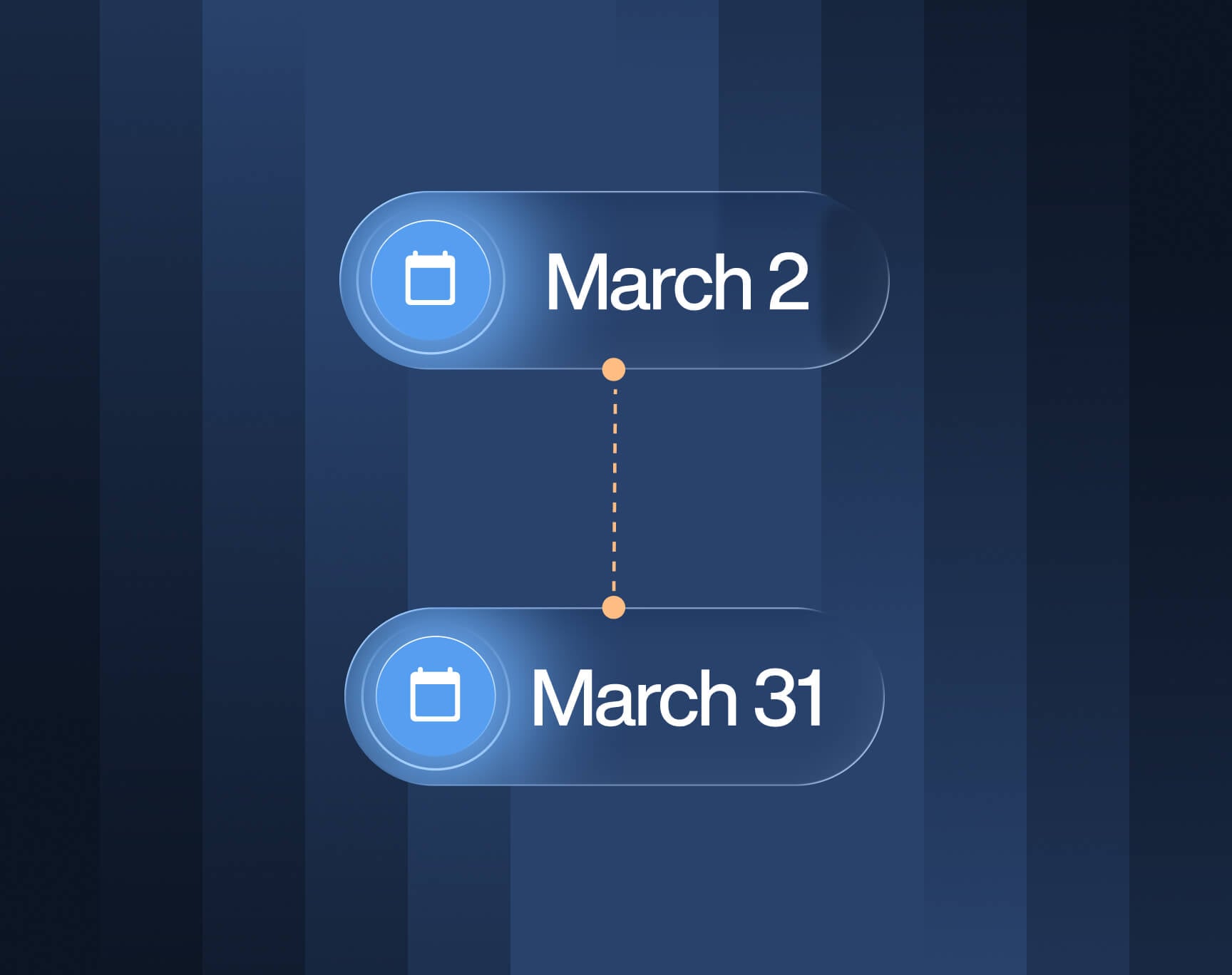


















While the March 2 federal furnishing deadline is behind us, the most critical milestone of ACA reporting is approaching. March 31 marks the deadline for both federal electronic filing and several mandatory state-level ACA transmissions.
On March 31, your workforce data must be transmitted to the IRS Affordable Care Act Information Returns (AIRS) system. Achieving a successful IRS AIRS e-filing requires more than just a timely submission — it requires data preparation.
By proactively validating your data against strict IRS formatting rules, you prevent costly system rejections and secure your organization’s compliance.
What Is the IRS AIRS Validation Process for 2026?
When you submit your filing, the AIRS platform performs a rigid, binary schema validation before any human auditor ever reviews your data. The system requires exact XML formatting and runs automated checks against federal databases to ensure structural integrity.
Crucially, the IRS offers no partial credit for simply submitting your data by the March 31 deadline. If structural errors prevent your submission from passing through the AIRS system, your organization is exposed to steep late-filing penalties under IRC Section 6721.
What Are the 2026 Penalties for a Rejected or Unfiled ACA Return?
For the 2026 filing season, the IRS has increased these penalties to $340 for every single incorrect or unfiled return (up to $680 per return for intentional disregard). For an enterprise organization submitting thousands of 1095-C forms, a single system rejection can rapidly escalate into a multi-million-dollar liability.
Common Errors That Trigger an Immediate IRS Rejection
Even the smallest syntax anomaly can derail an entire enterprise submission. If you are auditing your data manually, you must screen your files for these common AIRS rejection triggers:
- Special Characters in Names: While modern HRIS platforms easily process apostrophes and accent marks (e.g., O’Connor), the IRS XML schema strictly prohibits them.
- The Fix: Proactively strip all non-standard characters before transmission.
- 35-Character Address Limits: The IRS enforces a character cap on address lines. Incorrectly truncating long addresses often deletes critical apartment numbers, invalidating the entry.
- The Fix: Apply strategic, standardized abbreviations (e.g., changing Southwest to SW).
- Dropped Leading Zeros: Exporting data to a CSV file (like Excel) often auto-formats zip codes as numbers, stripping the leading zero from East Coast states (e.g., 08601 becomes 8601).
- The Fix: Validate that all zip codes remain strictly 5 or 9 digits.
How Does the 60-Day ACA Correction Window Work?
If your initial transmission is rejected, the IRS generally provides a grace period — 60 days from the date of the rejection notice — to submit a corrected replacement file. If the replacement is successfully accepted within this window, the filing is legally considered timely.
While the correction window provides a helpful safety net, the most effective compliance strategy is first-pass acceptance. By implementing proactive data validation before March 31, your team can bypass the correction process entirely.
Submitting a structurally sound file on your very first attempt ensures your reporting is finalized smoothly and with total confidence
Which States Require ACA Reporting by March 31?
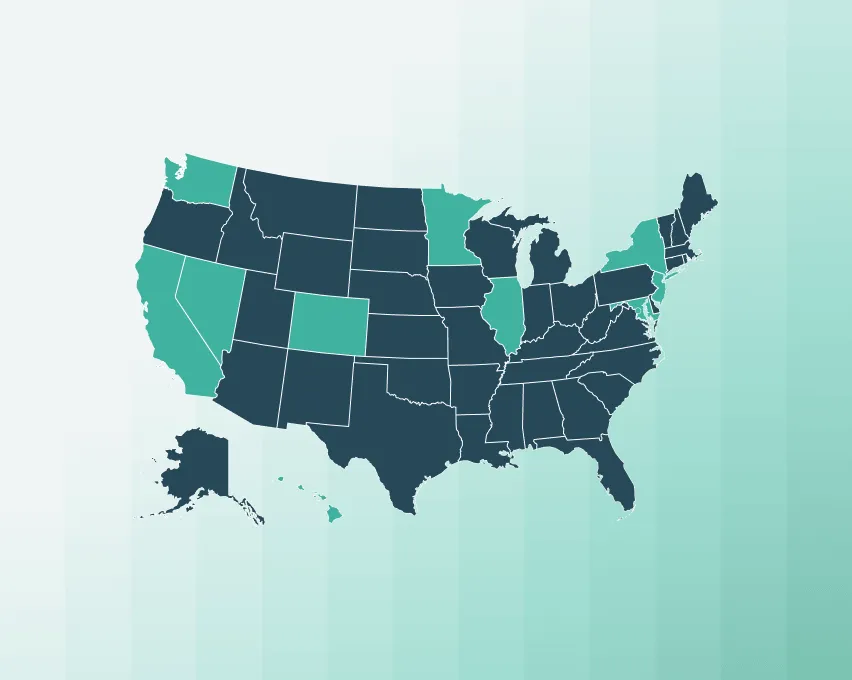
In addition to the federal IRS transmission, March 31 serves as the electronic filing deadline for several state-level individual mandates. If your organization employs residents in New Jersey, or Rhode Island, you must also report coverage data to those respective state agencies by this date (Washington D.C. reporting is due April 30).
A critical step in this multi-state process is data conversion. State revenue departments require their own unique data schemas and will not accept standard federal IRS XML files.
To ensure your state filings are accepted on the first attempt and to avoid state-level compliance penalties, your federal data must be reformatted to match the distinct portal requirements of each jurisdiction before transmission.
How Trusaic Ensures a Successful March 31 ACA Submission
Relying on manual spreadsheet reviews to pass the rigid IRS AIRS system is a high-risk strategy. Trusaic’s ACA Complete® platform is engineered to mirror exact IRS validation logic, removing the technical guesswork from your reporting deadlines.
- Automated Data Cleansing: We sanitize your workforce data prior to transmission — stripping prohibited characters, enforcing the 35-character address limit, and preserving zip code formatting to ensure structural perfection.
- End-to-End Execution: We manage the actual secure data transmissions, handling both your federal AIRS e-filing and the complex multi-state reporting portals (CA, NJ, RI, and D.C.).
By partnering with regulatory experts, you can guarantee your data is correct and meet the March 31 deadline with total compliance certainty.