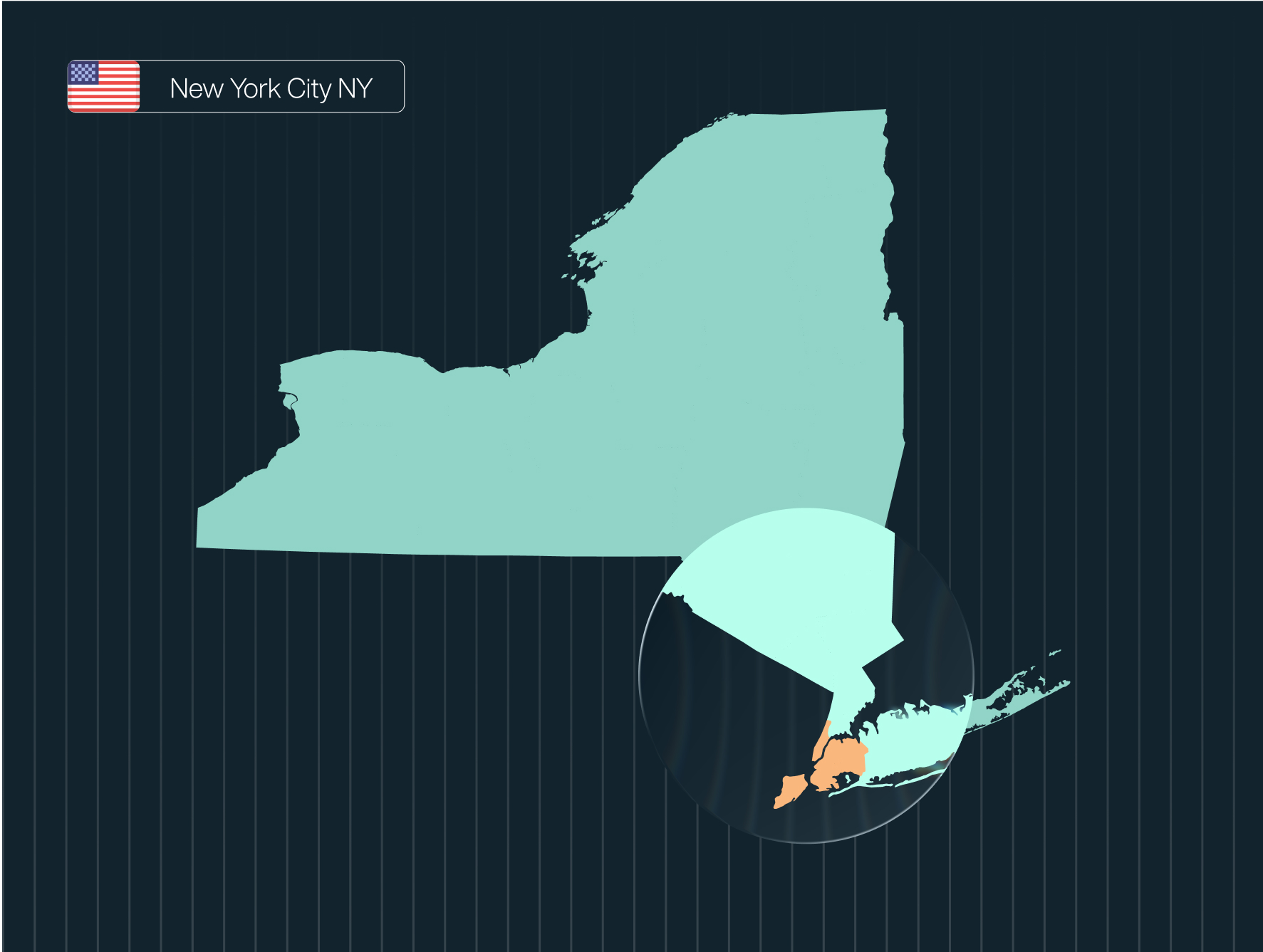
















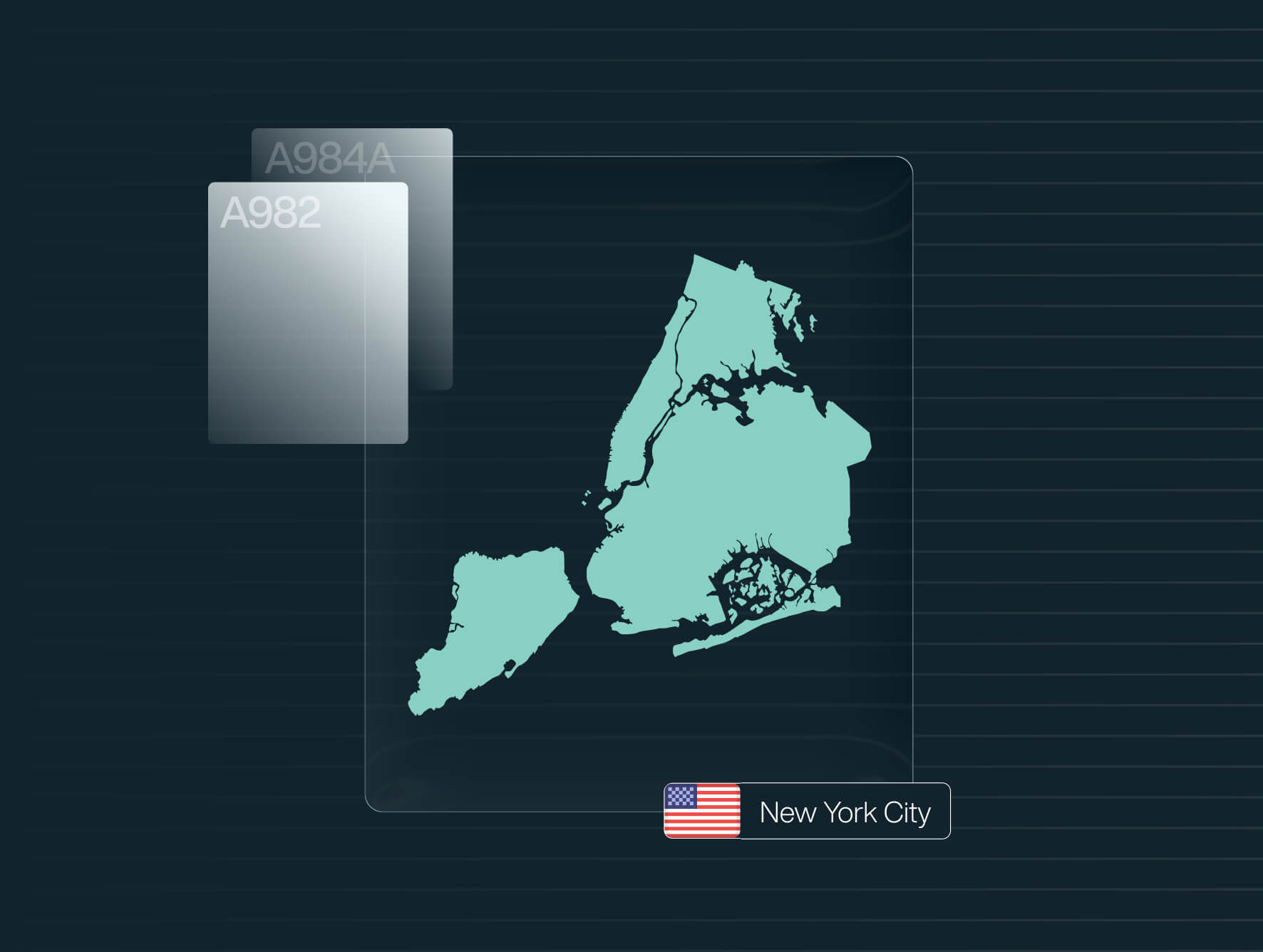
On Oct. 9, 2025, the New York City Council passed two companion bills — A982 and A984A — that would create a city-level pay reporting and analysis framework similar to California’s.
Both bills now await the Mayor Eric Adams’ signature or veto, expected within 30 days.
If enacted, these measures would make New York City one of the first U.S. municipalities to introduce its own pay data reporting and equity analysis regime.
A982 — Pay Data Reporting by Private Employers
Bill A982 would require private employers operating within New York City to submit annual pay and demographic data to a designated city agency.
Who Must Comply:
- Applies to private employers with 200 or more employees working within New York City, determined by the annual “high-water mark” of headcount.
What Must Be Reported:
- Employers must submit pay and demographic data by EEO-1 job category, including gender, race, and ethnicity breakdowns.
- Each submission must include a signed attestation verifying the accuracy of reported data.
Compliance Timeline:
- After the Mayor’s approval, the Mayor will have one year to designate the responsible agency.
- That agency will then have another year to develop and release the standardized reporting form.
- Reporting obligations are expected to begin no earlier than 2027–2028.
Penalties for Non-Compliance:
- Employers that fail to file or submit incomplete data may face penalties between $1,000 and $5,000.
- The city will have the authority to publicly list non-compliant employers, creating a significant reputational risk.
A984A — Citywide Pay Equity Study
Bill A984A directs the designated agency to conduct an annual citywide pay equity analysis using the employer-submitted data collected under A982.
Key Objectives:
- Analyze pay, benefits, and retention patterns by gender, race, and ethnicity.
- Publish aggregate findings and recommendations to promote greater equity in pay practices across industries.
Implementation Timeline:
- The pay equity study will depend on the data reporting regime established under A982.
- The first citywide report would likely follow one to two years after data collection begins.
Why This Matters
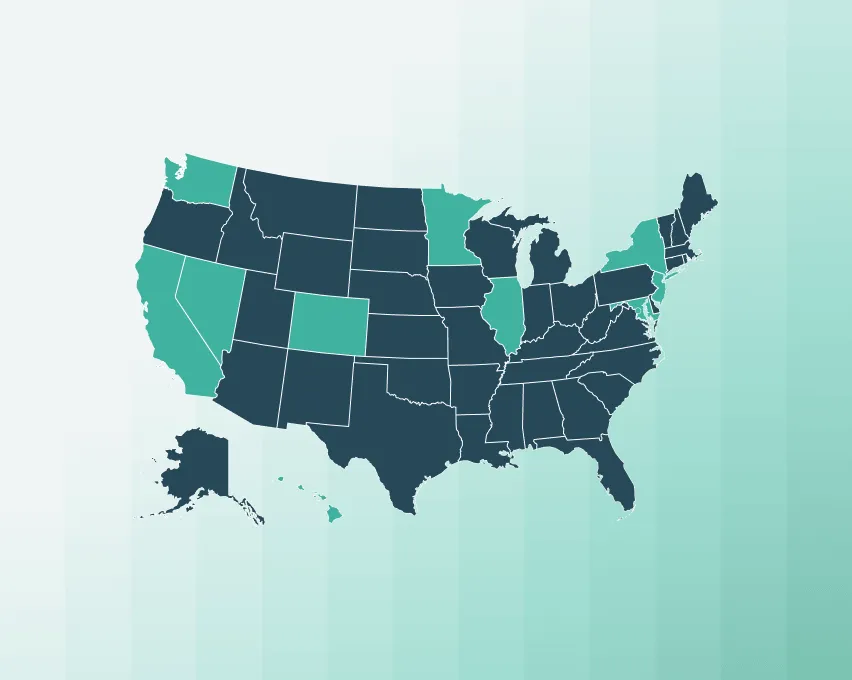
These two bills together mark a major evolution in local pay equity enforcement. While California and Illinois require statewide pay reporting, New York City’s framework will localize compliance.
For employers, this means greater scrutiny and the need for robust pay data governance systems to ensure compliance and accuracy.
How Trusaic Can Help
At Trusaic, we help organizations meet complex pay reporting and equity requirements across jurisdictions:
- Regulatory Pay Transparency Reporting™ — Automates pay data reporting across city, state, and national jurisdictions, helping you comply with evolving requirements like NYC’s proposed A982.
- PayParity® — Identifies and resolves pay disparities using legally defensible regression-based analysis aligned with EEOC, OFCCP, and local standards.
- Remediation Optimization Spend Agent (R.O.S.A.) — Optimizes remediation efforts to close pay gaps efficiently and transparently.
- Salary Range Finder — Ensures pay range disclosures align with local transparency laws like NYC’s Pay Transparency Act.
With Trusaic’s Pay Equity Software Suite, employers can simplify compliance, reduce risk, and strengthen workforce trust.