













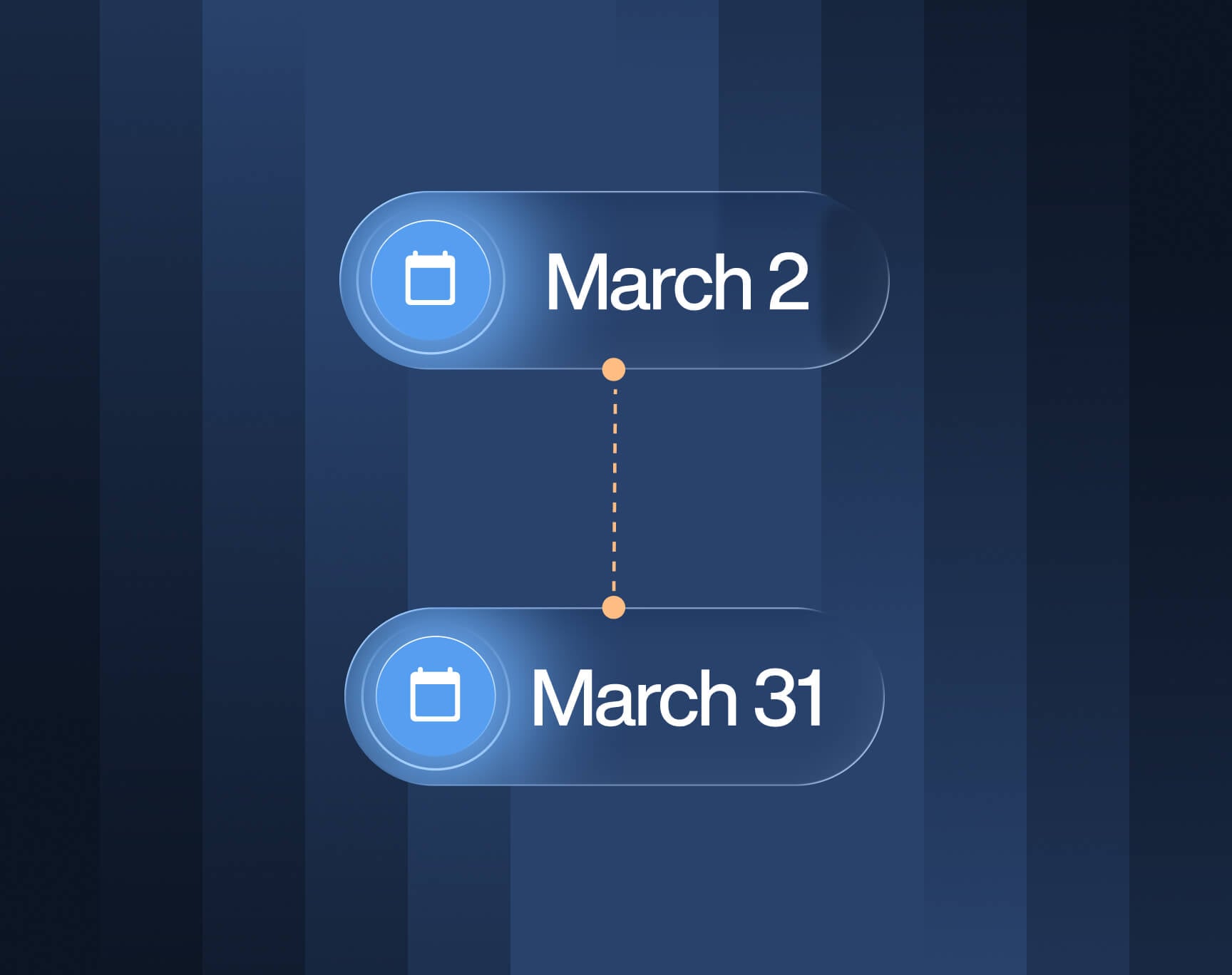
For many HR and payroll teams, the immediate focus is satisfying the Form 1095-C furnishing requirement by March 2, 2026. While new regulations have simplified this step — allowing employers to e-distribute forms or furnish them only upon request rather than mailing them — the deadline remains a critical compliance milestone.
However, March 2 is not the end of the ACA season. In reality, it is merely the halfway point.
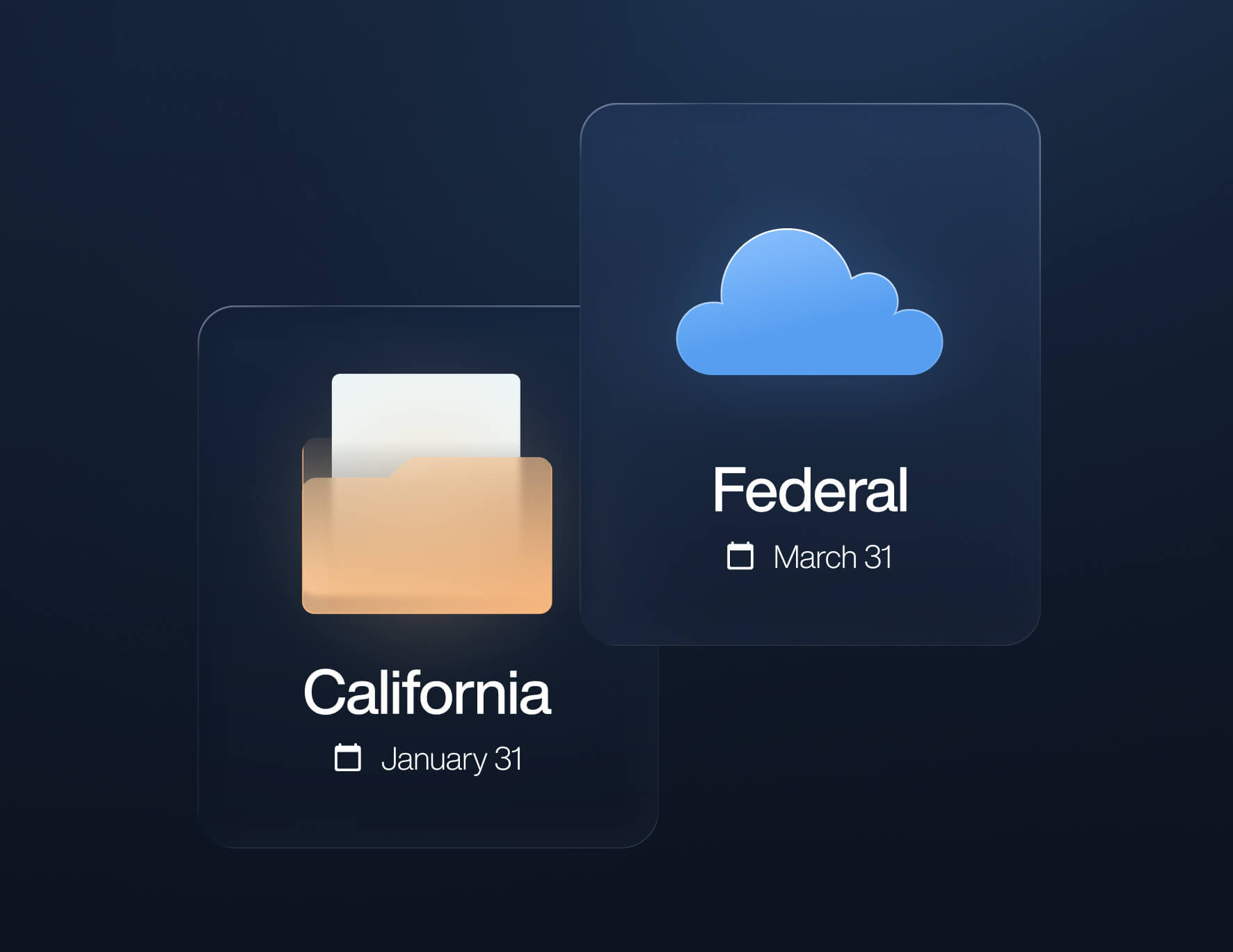
The true test of your data integrity, and your primary risk of penalty, comes on March 31, the deadline for electronically filing your returns with the IRS.
The Immediate Hurdle: March 2 (Furnishing)
The deadline to furnish forms to employees is March 2, 2026.
Furnishing forms only satisfies your workforce obligation — it does not validate your data for the IRS. Do not relax once the forms are sent; the critical March 31 electronic filing deadline is where your audit risk truly lies.
The Main Event: March 31 (Electronic Filing)
March 31, 2026, is the deadline to electronically transmit your 1094-C and 1095-C data via the IRS Affordable Care Act Information Returns (AIR) system.
This is the real test. Your employees might not notice a wrong code on their form, but the IRS algorithms will. Their system automatically compares what you file against your employees’ tax returns. If the numbers don’t match, that is exactly what triggers a Letter 226J penalty assessment.
Need More Time? File Form 8809
If your data is messy or your validation process uncovers significant gaps, do not rush to file incorrect data just to hit the March 31 date.
You have the option to file Form 8809 (Application for Extension of Time to File Information Returns).
- What it gives you: An automatic 30-day extension to file with the IRS.
- The Catch: You must file Form 8809 on or before the March 31 deadline.
- Strategic Advice: If you are unsure about the accuracy of your 1095-Cs, filing an extension is a smarter move than filing “dirty” data that you will have to correct later.
Strategy: Use the Gap to Validate Data
The weeks between furnishing (March 2) and filing (March 31) are the last opportunity to catch and correct logic errors before they become official IRS records.
Don’t just hit “submit” on the same file you used for printing. Use this time for deep validation:
1. Verify Affordability with W-2 Data
Now that W-2s have been issued, you have the final data points you lacked during the year. Cross-reference your employees’ W-2 Box 1 wages against the lowest-cost plan you offered.
- The Risk: Did you use code 2F (W-2 Safe Harbor) but the employee’s actual wages dipped below the threshold?
- The Fix: If the math doesn’t hold up, the blank line 16 code may result in “Penalty B” assessment.
2. Perform a Logic Audit
Review your codes for logic breaks. For example, if you have a “1H” (No Offer) code on Line 14, do you have the corresponding “2A” (Not Employed) or “2B” (Part-Time) code on Line 16? If a leave of absence broke your logic, catch it now.
3. Don’t Forget State Reporting
While focusing on the IRS, remember that states like California, Massachusetts, New Jersey, Rhode Island, and Washington D.C. have their own mandates. Ensure your state files are formatted correctly, as federal XML files are not always 100% compatible with state portals.
The Operational Impact: Pre-Filing vs. Post-Filing Corrections
It is important to understand that filing on March 31 establishes your official record with the IRS. Once that record is created, fixing an error becomes a formal regulatory process involving electronic re-filing and potential re-furnishing of forms to employees.
Validating your data before the March 31 deadline ensures your filing is accurate from the start. This proactive step streamlines your compliance workflow, allowing you to close the 2025 tax year cleanly and move forward without the need for retrospective adjustments.
Secure Your March 31 Filing
The March 31 filing is the decisive moment for your 2025 tax year compliance strategy.
At Trusaic, we do more than just press send. We leverage the time before filing to perform a forensic data review, validating your affordability calculations, and coding logic against IRS standards.
ACA Complete® delivers everything you need to track, prepare, furnish, and file 1095-C forms and defend your ACA compliance.
- Monthly monitoring: get alerts when offers of coverage are required
- Designated ACA specialist: expert support at your service
- Penalty risk assessment: identify coverage gaps and address liabilities
- e-Distribution: furnish forms electronically
- State reporting: compliance for California, New Jersey, Rhode Island, and Washington D.C.
Don’t leave your compliance to chance. Contact Trusaic for more information.