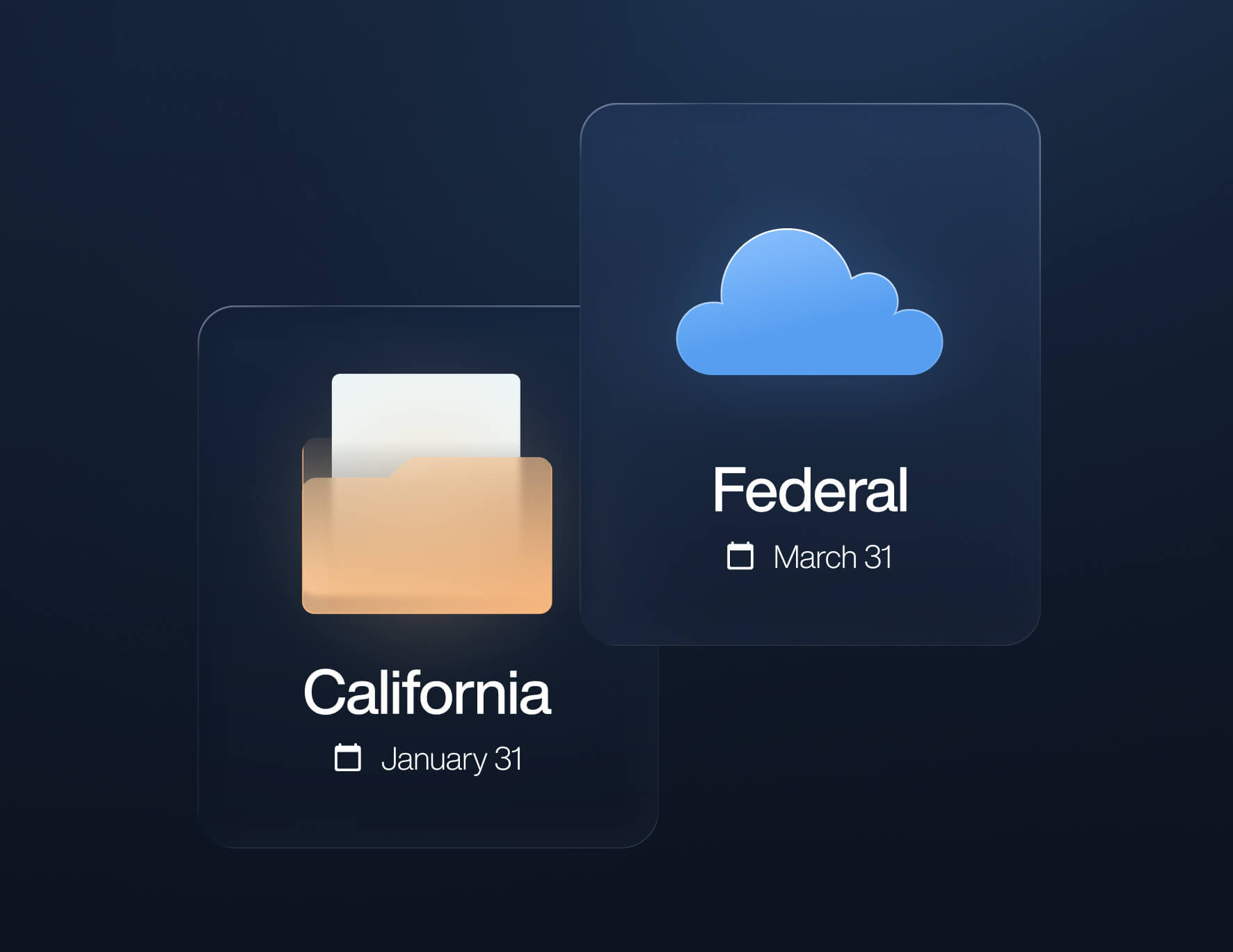
















While the federal filing window for the 2025 tax year has closed, Applicable Large Employers (ALEs) with employees in California must now fulfill a secondary, critical regulatory obligation.
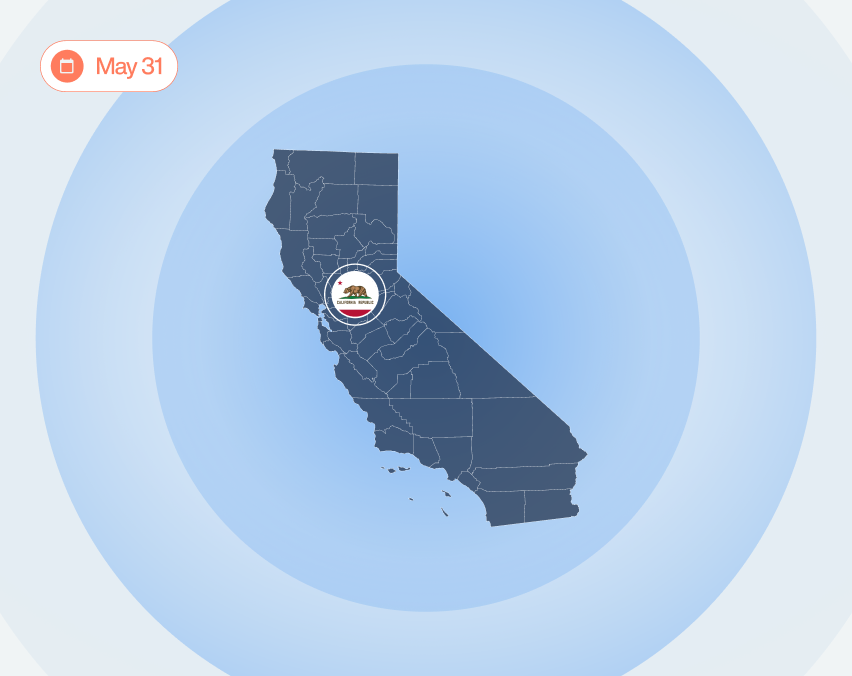
The California Franchise Tax Board (FTB) requires all entities that provide Minimum Essential Coverage (MEC) to state residents to electronically transmit Forms 1094-C and 1095-C by May 31, 2026.
Why Is the May 31 California FTB Reporting Deadline Critical?
The May 31 transmission to the FTB is the final step in California’s state-level mandate. While you’ve already furnished Form 1095-C to employees, this state filing is how California actually verifies coverage. Crucially, with the 2026 electronic filing threshold dropping to just 10 returns, nearly every ALE must now submit this data digitally, rendering paper processes obsolete.
How Does California’s State-Level Individual Mandate Impact Employers?
California’s Senate Bill 78 established a state-level individual mandate requiring residents to maintain qualifying health coverage. To enforce this, employers must report the same data to the FTB that they provide to the IRS.
This creates a two-front compliance challenge: meeting federal Employer Shared Responsibility Payment (ESRP) requirements while simultaneously satisfying California’s state-level reporting.
If your organization has employees residing in California, this dual-jurisdictional load carries significant financial risk. Because the state assesses penalties on a strict per-individual basis, California is a highly impactful jurisdiction that employers must manage accurately and on time.
What Are the Technical Requirements for California FTB Transmission?
To successfully transmit your data to the FTB and prove that your coverage met the standards for affordability and minimum value, you must ensure strict data quality across three areas:
How to Ensure Form 1094-C and 1095-C Data Quality
- Residency Verification: The obligation to file in California is based on where the employee resides, not where the company is headquartered. Remote workforces have significantly expanded the number of ALEs that now fall under California’s jurisdiction.
- Controlled Group Accuracy: If your organization operates as an aggregated ALE group, ensure that Part IV of Form 1094-C correctly identifies all related entities to prevent data fragmentation.
What Are the Penalties for Missing the California FTB Deadline
Unlike federal ACA penalties that often include annual caps, California’s state-level assessments are rigid. The FTB enforces a strict $50 penalty for every incorrect or unfiled return. This liability scales rapidly, a mid-sized employer with 500 California residents could face a $25,000 assessment for missing the May 31 deadline.
What Are the Impacts of ACA Data Errors in California?
When your ACA data is siloed across different platforms, the compliance risk compounds quickly:
- Employee Friction: Incorrectly reported data may lead the FTB to penalize an employee’s personal tax return, forcing HR to provide manual proof of coverage to resolve the dispute.
- Audit Vulnerability: Missing the May 31 deadline increases the risk your organization will be flagged by the FTB’s automated data-matching systems, significantly increasing the likelihood of a formal penalty inquiry.
How Can Trusaic Help with California ACA Reporting Challenges?
The key to successfully navigating the California deadline is overcoming data fragmentation. Many organizations struggle because their HR, payroll, and benefits systems do not communicate. Siloed data requires manual, last-minute corrections, drastically increasing the likelihood of transmission errors.
An audit-ready strategy requires verifying residency status, offer codes, and affordability safe harbors well in advance. But managing the nuances of both IRS and state-specific tax codes requires more than just formatting spreadsheets; it requires specialized regulatory expertise.
Partnering with Trusaic transforms state reporting from a manual burden into an automated, defensible process. ACA Complete® ensures compliance by auditing your data for coding errors, automatically transmitting your forms to the FTB by May 31, and providing dedicated penalty defense if an inquiry ever arises.