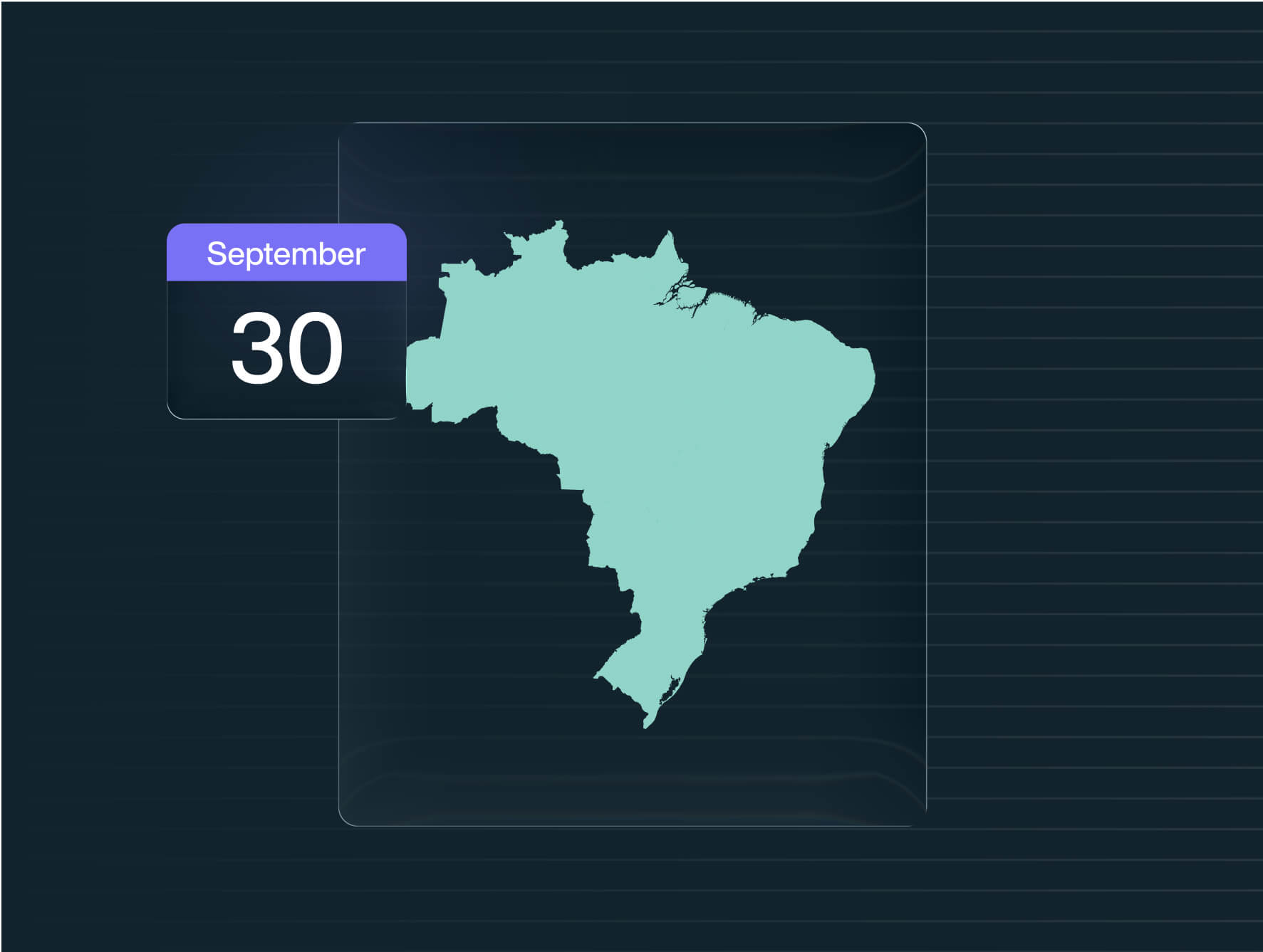











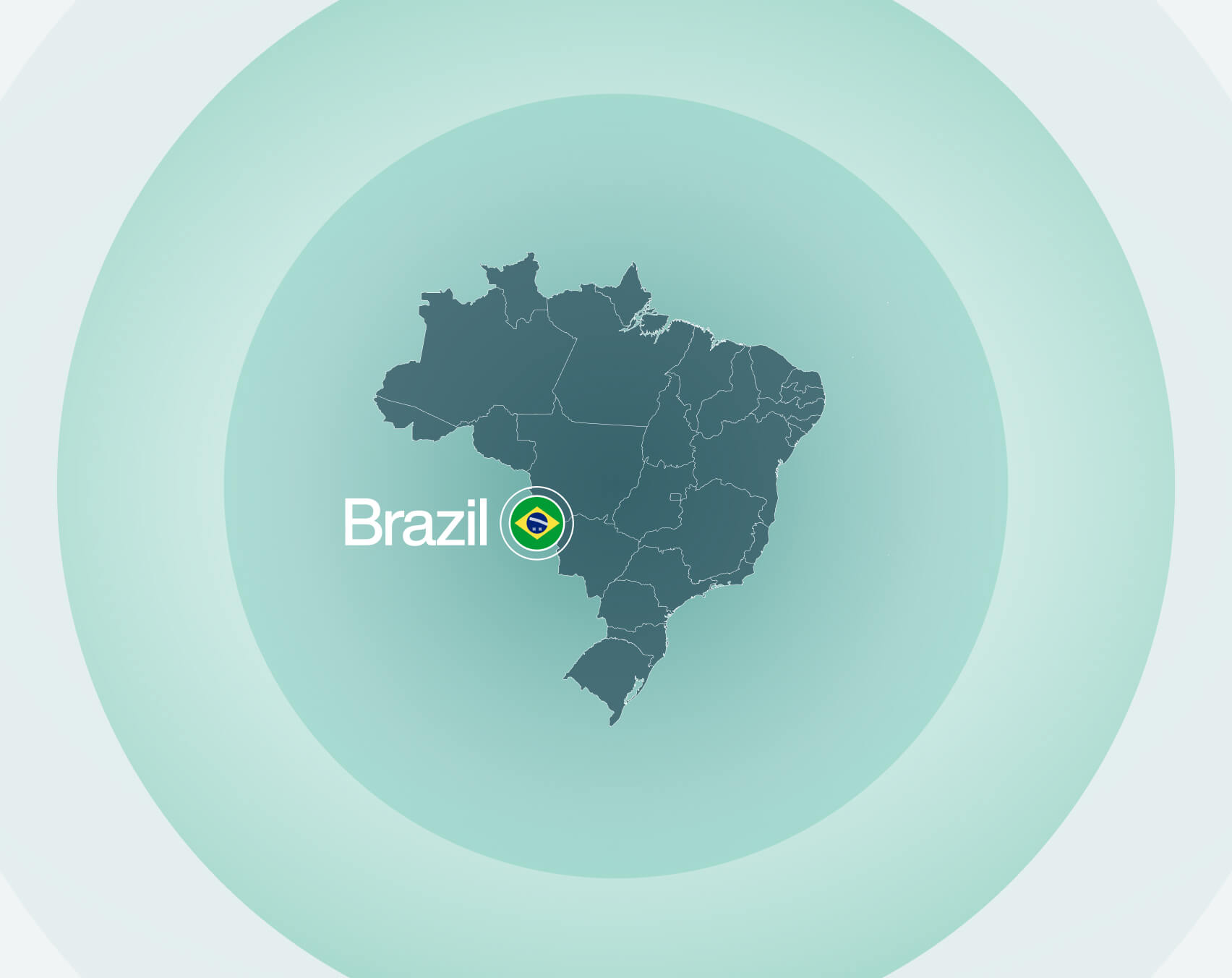
Private employers in Brazil with 100 or more employees must prepare to submit their next round of pay data by Feb 28, 2026.
This is part of Brazil’s ongoing semi-annual reporting framework under the country’s Equal Pay Act, which, as set forth in Decree No. 11,795 of Nov. 23, 2023 and Ordinance No. 3,714 of Nov. 24, 2023, requires covered employers to submit compensation data to the Ministry of Labor and Employment (MTE) every February and August. The February 2026 submission via Brazil’s “Portal Emprega Brasil” continues the government’s structured effort to assess gender-based pay disparities across large employers operating in Brazil.
The requirement applies to private companies with 100+ employees that have headquarters, branches, or legal representation in Brazilian territory — whether constituted in fact or in law.
What Employers Must Submit
Brazil’s reporting framework requires both quantitative pay data and qualitative workforce information, submitted through two separate government systems.
Quantitative Pay Data (eSocial)
Employers must submit employee compensation information grouped according to the Brazilian Classification of Occupations (CBO), along with associated job duties.
Required pay elements include:
- Contractual monthly salary
- Thirteenth salary
- Gratuities/Bonuses
- Commissions
- Overtime
- Night shift premiums and hazardous duty pay
- Vacation pay
- Notice-period payments
- Paid weekly rest
- Tips
- Any additional payments required by law or collective bargaining agreement
This level of detail means payroll components must be reconciled carefully before submission, particularly for multinational employers with complex compensation structures.
Qualitative Workforce Information (Emprega Brasil Portal)
In addition to pay data, employers must provide information describing how they promote workplace diversity and support women in the workforce, including:
- Career frameworks and compensation plans
- Pay criteria for employee hiring and career progression
- Incentives for hiring women
- Promotion criteria for leadership and management roles
- Initiatives supporting shared family responsibilities
All reported data must be anonymized and compliant with Brazil’s General Data Protection Law (LGPD – Law No. 13,709/2018).
Publication & Enforcement
The Ministry of Labor and Employment uses submitted data to conduct pay equity analyses and generate Salary Transparency and Remuneration Criteria Reports, which are published on its Labor Statistics Platform.
The report will be available by March 16 on the Emprega Brasil website, and companies must disclose it through their official channels by March 31.
Failure to comply may result in financial penalties and heightened regulatory scrutiny.
Also in March, the Ministry will release aggregated data for the country and for the states. The fourth report, released in September 2025, indicated that women earned, on average, 21.2% less than men. In total, approximately 54,000 companies are expected to participate in the preparation of the report in the first half of 2026.
How Trusaic Can Help
At Trusaic, we provide organizations with the tools and expertise needed to comply confidently with Brazil’s pay transparency requirements:
- PayParity®: Identify, explain, and resolve pay disparities across gender and other protected groups. Using regression-based, intersectional analysis, PayParity ensures your reporting is both compliant and legally defensible.
- R.O.S.A. (Remediation Optimization Spend Agent): Brazil’s law, like the EU Pay Transparency Directive, requires action on unexplained pay gaps. R.O.S.A. enables you to optimize remediation, helping you bring pay gaps below the required thresholds while maximizing ROI.
- Regulatory Pay Transparency Reporting™ (RAPTR): Automate complex reporting obligations across jurisdictions, including Brazil. RAPTR helps you generate reports that meet MTE standards with one click, while tracking deadlines and regulatory changes.
- Salary Range Finder®: Establish transparent and equitable salary bands to prevent new inequities from forming — supporting both compliance and fair pay practices.
- Pay Decisions: Generate fair, competitive offers instantly from Workday.
With Trusaic’s Pay Equity Software Suite, employers can move beyond minimum compliance to build a proactive, future-proof pay equity strategy.