















Irish employers with 50 or more employees are approaching the November deadline for 2026 gender pay gap reports, due within five months of their chosen June snapshot date. This year, reports must also be submitted to Ireland’s central Gender Pay Gap Portal.
Meanwhile, Ireland’s transposition of the EU Pay Transparency Directive (EUPTD) remains pending.
What Must Employers File in November 2026?
Under the Gender Pay Gap Information Act 2021, employers with 50 or more employees must publish annual gender pay gap information.
For the 2026 cycle:
- Snapshot date: A date chosen in June 2026, with pay data covering the preceding 12 months.
- Deadline: Five months after the employer’s chosen June snapshot date, which falls in November 2026.
- Required content:
- Mean and median hourly pay gaps of male and female employees, part-time employees, and employees on temporary contracts
- Mean and median bonus pay gaps
- The percentage of men and women receiving bonuses
- The percentage of men and women receiving benefits in kind
- The distribution of men and women across pay quartiles
- A narrative explaining any gaps and the actions taken to eliminate or reduce them
What Is New: The Gender Pay Gap Portal
The biggest change for 2026 is the Gender Pay Gap Portal, Ireland’s central, searchable reporting database. It opened voluntarily in November 2025, and its public side launched in June 2026, allowing anyone to compare employer results.
The Department of Children, Disability and Equality (DCDE) states that in-scope employers will be required to submit their reports to the portal for the 2026 cycle, and that the supporting legislation has been drafted. Employers must still publish on their own website as well.
Enforcement sits with the Workplace Relations Commission and the Irish Human Rights and Equality Commission. The Act does not specify fines, but non-compliance can lead to complaints, investigations, and court orders.
Where Does Ireland’s EUPTD Transposition Stand?
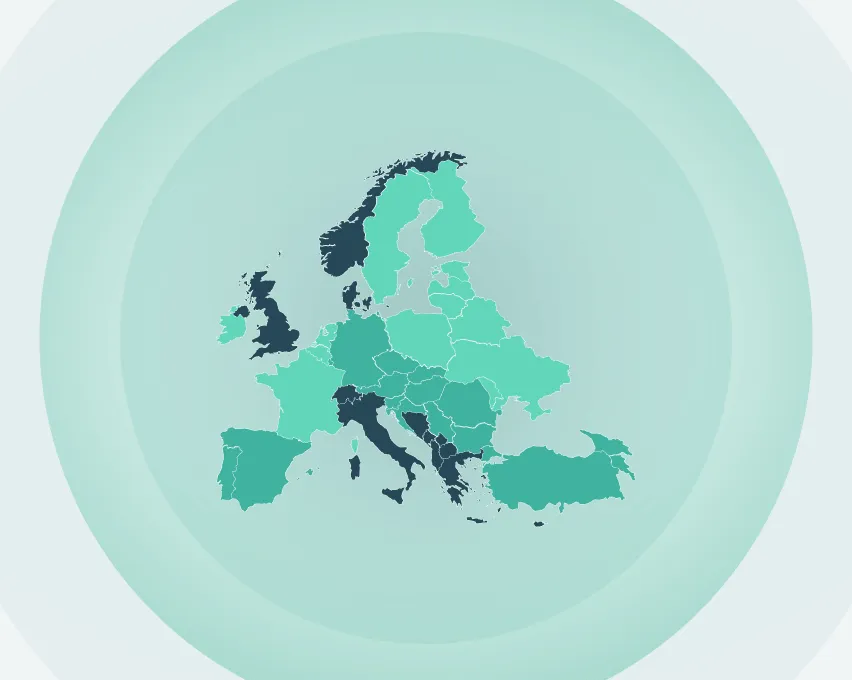
Ireland missed the 7 June 2026 transposition deadline for the EU Pay Transparency Directive. As tracked in our Transposition Monitor:
- January 2025: Ireland’s initial draft covered only salary range disclosure and the salary history ban. It did not address RTI or the remaining reporting requirements.
- 26 May 2026: Minister Norma Foley confirmed that Ireland would not be fully transposed by 7 June, citing delays in EU Commission workshops and the European Institute for Gender Equality (EIGE) job evaluation toolkit.
DCDE is developing a General Scheme for the remaining elements, but it has not been published. The government says implementation will be phased.
Ibec, Ireland’s employer representative group, has requested a delay to June 2027 and is pressing for more employer input. The Irish Congress of Trade Unions has stated that it believes workers with a valid claim under the terms of the Directive could seek compensation backdated to 7 June 2026.
What Does This Mean for Employers?
Because Ireland already requires annual reporting for employers with 50 or more employees and has asserted that its current framework largely aligns with the Directive, we expect amendments to that framework in order to complete its transposition of the Directive’s reporting requirements. The harder lift will be the requirements not yet in place in Ireland:
- Right to Information (Article 7): Employees can request their individual pay level and average pay levels by gender for the same work or work of equal value, with a response due within two months.
- Reporting by category of worker: The Directive requires pay gap data by category of worker, which depends on defensible job architecture.
- Joint Pay Assessments: An unexplained gap of 5% or more that is not remediated within six months triggers a more extensive pay audit.
How Should Employers Prepare Before November?
- Finalise your report.
- Validate pay, bonus, benefits-in-kind, and hours data for the 12-month period.
- Register on the portal.
- Assign who will upload the report alongside publishing on your website.
- Write a strong narrative.
- The report will be public and easy to compare.
- Run a pay equity analysis.
- Find and remediate unexplained gaps before employees can ask about them.
How Trusaic Can Help
Trusaic helps employers meet Ireland’s reporting obligations today while preparing for the Directive.
- Regulatory Pay Transparency Reporting™ generates compliant reports, including for Ireland’s November filing.
- PayParity® identifies potential unjustified inequities and helps you prepare for Article 7 and Article 9 requirements. R.O.S.A. finds the most cost-effective way to close nominal pay gaps.
- Salary Range Finder® ensures equitable pay at the point of hire and helps you prepare for salary range disclosure and salary history ban requirements.
Visit our Ireland guide and Member State Transposition Monitor for the latest developments.