












Next Equal Pay Ruling Overturned: What the Market Forces Decision Means
The long-running Next equal pay case took a significant turn on 7 September 2026 when the Employment Appeal Tribunal (EAT) overturned a key finding against the retailer. The decision in Next Retail Ltd and Next Distribution Ltd v Thandi… Read More
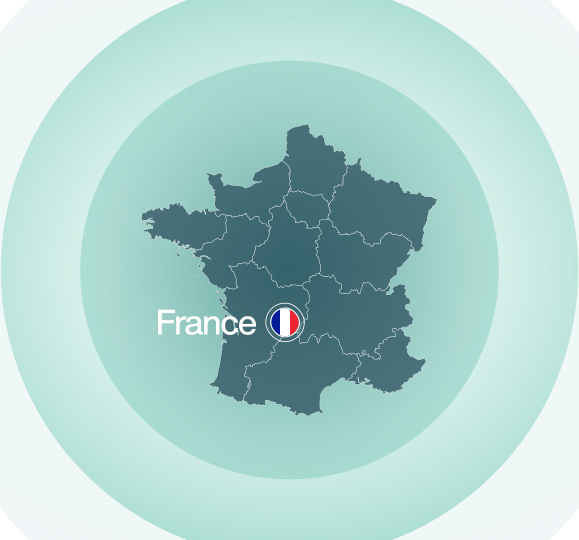
France’s Pay Transparency Transposition Bill Adopted in the Council of Ministers
On 10 September 2026 France’s EU Pay Transparency Directive transposition bill was officially presented to the Council of Ministers. The same day, it was signed by the Prime Minister and deposited at the Senate as PJL n° 944, under accelerated… Read More
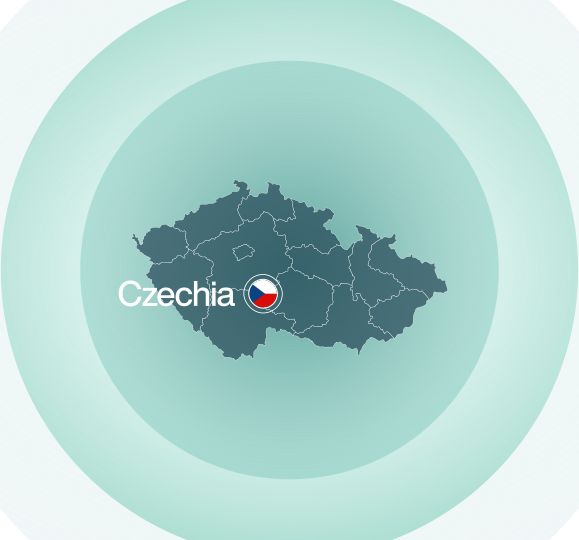
Czechia’s Government Approves EU Pay Transparency Directive Bill
The Czech government on 31 August 2026 approved the bill to transpose the EU Pay Transparency Directive, advancing the proposal introduced earlier this year by the Ministry of Labour and Social Affairs (MoLSA). The measure now moves to the Chamber of… Read More
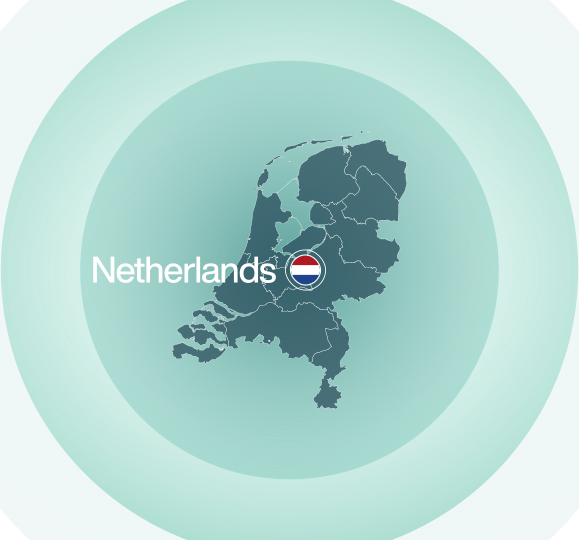
Netherlands Answers 270 Parliament Questions on EU Pay Transparency Bill
On 1 September 2026, the Dutch Minister of Social Affairs and Employment responded to approximately 270 questions submitted by the House of Representatives (Tweede Kamer) on the bill implementing the EU Pay Transparency Directive (Parliamentary Paper 36949). The documents are noted as received… Read More
Connecticut Expands Pay Transparency Requirements Effective October 2026
Connecticut is strengthening its pay transparency requirements. Under Public Act 26-12, amending Conn. Gen. Stat. § 31-40z, employers will soon need to disclose wage information far earlier in the hiring process, directly in job advertisements, beginning Oct. 1, 2026. The update… Read More

Early RTI Rumblings: Field Lessons From Italy, Slovakia, and Malta
The EU Pay Transparency Directive’s Article 7 Right to Information requirement has been live for two months in Italy, Slovakia (individual pay levels), and Malta. Trusaic has enterprise and mid-market employers alike with RTI obligations in those jurisdictions. The following is… Read More

Colorado to Require Annual EEO-1 Reporting Beginning in 2027
On June 4, 2026 the Governor of Colorado signed HB 26-1207 into law, establishing a new state-level EEO-1 data reporting obligation for employers operating in the state. The law formally entered into effect Aug. 12, 2026, but the first EEO-1 data… Read More

Iceland’s New Pay Gap Reporting Requirements Take Effect 1 September
Iceland’s new gender pay gap reporting requirements take effect 1 September 2026. Law No. 53/2026, which was published 18 June 2026, significantly amends Iceland’s existing equal pay framework under the Act on Equal Status and Equal Rights Irrespective of Gender, No. 150/2020. Read More
EEOC Moves to Rescind EEO-1 Reports: What Employers Should Do Now
The U.S. Equal Employment Opportunity Commission (EEOC) has proposed rescinding the EEO-1 reporting obligation and its related demographic data collections. But until any rescission is finalized, the requirement remains fully in force, and employers should continue preparing to file in 2026. Read More
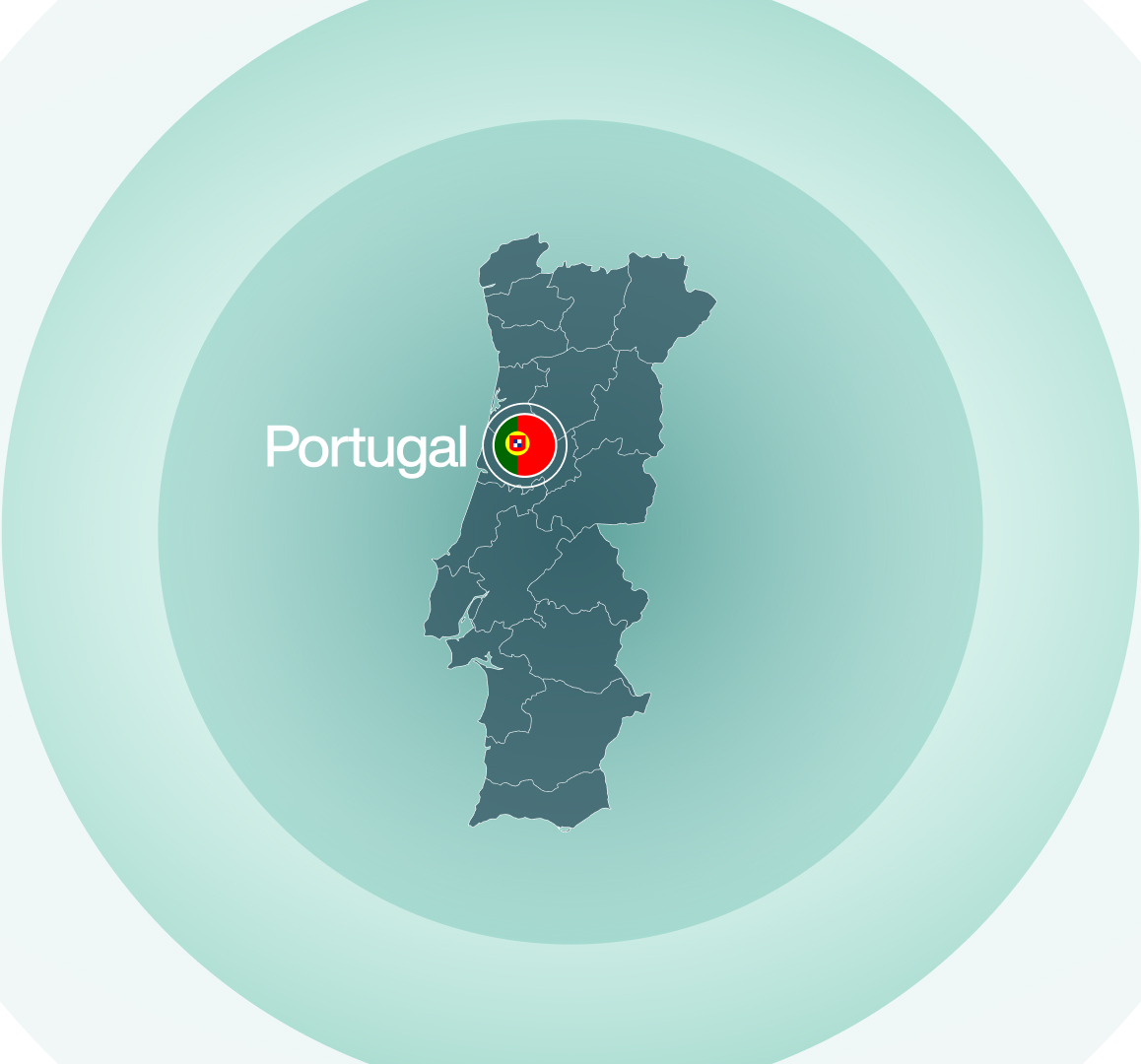
Portugal Publishes Draft Bill Transposing EU Pay Transparency Directive
Portugal has taken its first formal step toward transposing the EU Pay Transparency Directive (Directive (EU) 2023/970), publishing a draft bill that would partially implement the Directive. On 5 August 2026, the Ministry of Labour, Solidarity and Social Security published a draft bill… Read More